


Christopher Wolfgang Alexander, Austrian architect, professor, author of the "language of templates" in architecture, devoted a series of books to a special method of design, which lies beyond the limits of academic professional knowledge. In his work "How to design for the ages". Architecture out of time" he explains the essence of this method: the need for a creative process is inherent in a person at the level of initial basic instincts, such as the birth of children, for example. This method is not mechanical, but organic, it has always existed. Its origins are not in education, but in understanding the nature of all things. Alexander postulates that any person can be an architect if he learns this method. To understand the ego, you need to see "untitled property" is a fundamental criterion for the presence of life and spirit in man, architecture and nature. This property is not described in one word, but covers several characteristics of the object at once: alive, whole, correct, comfortable, impersonal, eternal. In each object, the "property without a name" manifests itself differently. Its description is beyond the scope of physicists or chemists. But we are all capable of catching the ego at the level of our own intuition. We are talking about a delicate thing - absence of internal contradictions, having internal harmony. It is this harmony that makes the things around us alive and whole. It is important to understand that not all objects are equally alive and equally whole. The author explains that even people sometimes search for their nature all their lives. Any entity becomes alive when it possesses this very "nameless property."
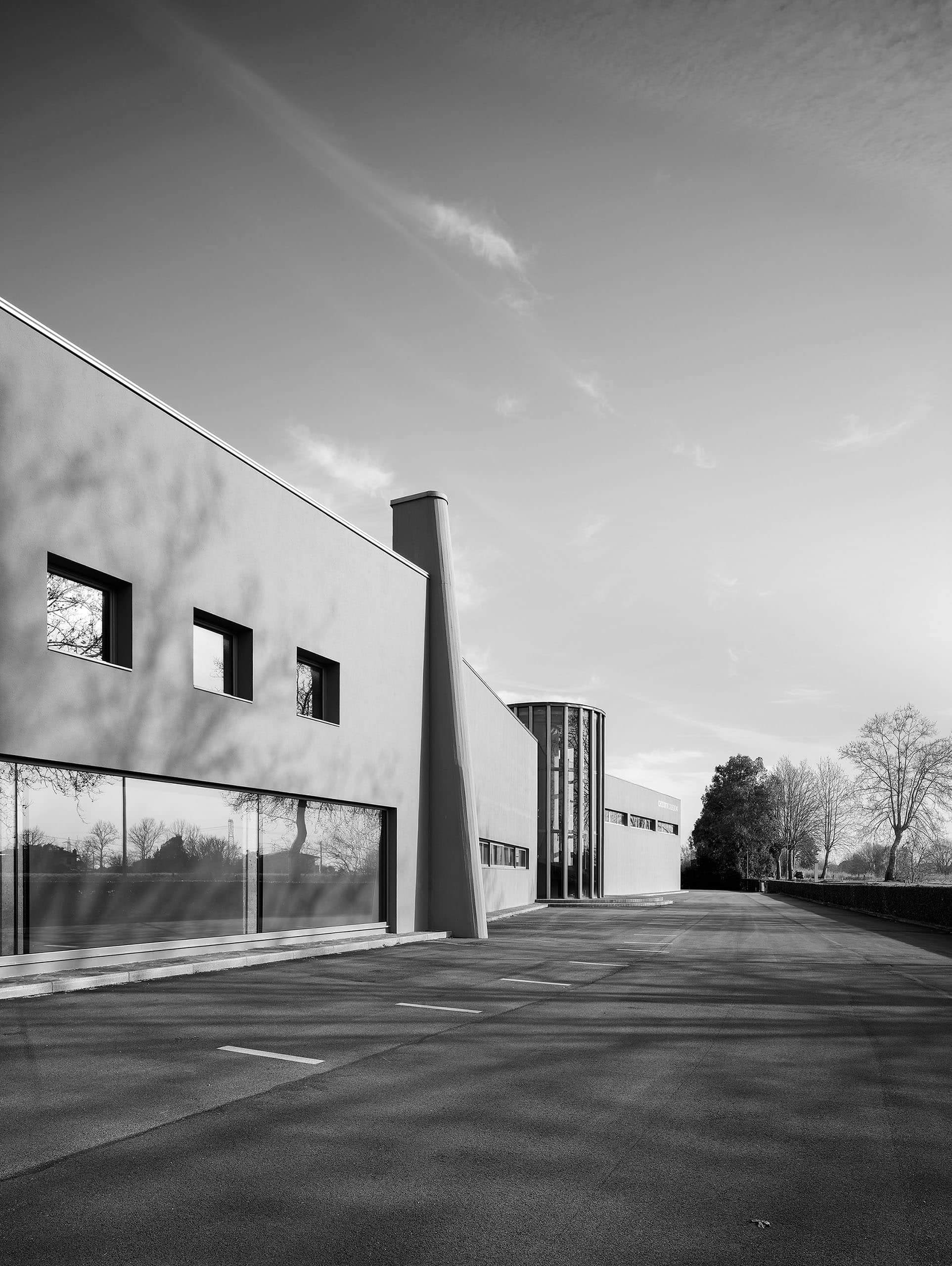
Christopher Wolfgang Alexander devoted a lot of time to the study of this property. He says that we are able to read the difference between good and bad architecture, even if we cannot precisely formulate it. Our brain in one way or another tries to evaluate the object, checking it for functionality, ergonomics, originality... But what really fascinates the viewer when he encounters true beauty?
When we talk about the products that make up the collections of modern museums, placed in the most expensive and luxurious interiors, sold around the world, we involuntarily want to unravel the reason for their magic and the success of the people who created it. If the secret of powerful factories and famous brands consisted only in the quality of execution, in the genius of engineering solutions, aesthetics — it would be too simple. What if Alexander is right? What if these objects have a "property without a name"? Let's try to understand whether this assumption is true or false using the example of the famous Italian factory Ceccotti. Why do the products of the legendary company look so alive? How does the "unnamed property" with all its various characteristics manifest itself in these objects?
Alive
When we look at Ceccotti's objects, we understand that their perception requires tactile, sensual relations. They are alive! The souls and characters of talented masters can be felt in them, they radiate the breath of Tuscany, where it was born in the 50s and 60s. production Yes, Tuscany with its sun-drenched vineyards, wide fields, fine wine, ancient castles drowning in greenery. In these regions between Florence and Pisa, in the small town of Kashina, furniture production was located. The factory was founded in 1956. Then it was called Ceccotti Aviero after the name of its founder — Aviero Cecotti. Designers and qualified craftsmen came here from the local School of Arts, who began to develop craft culture.
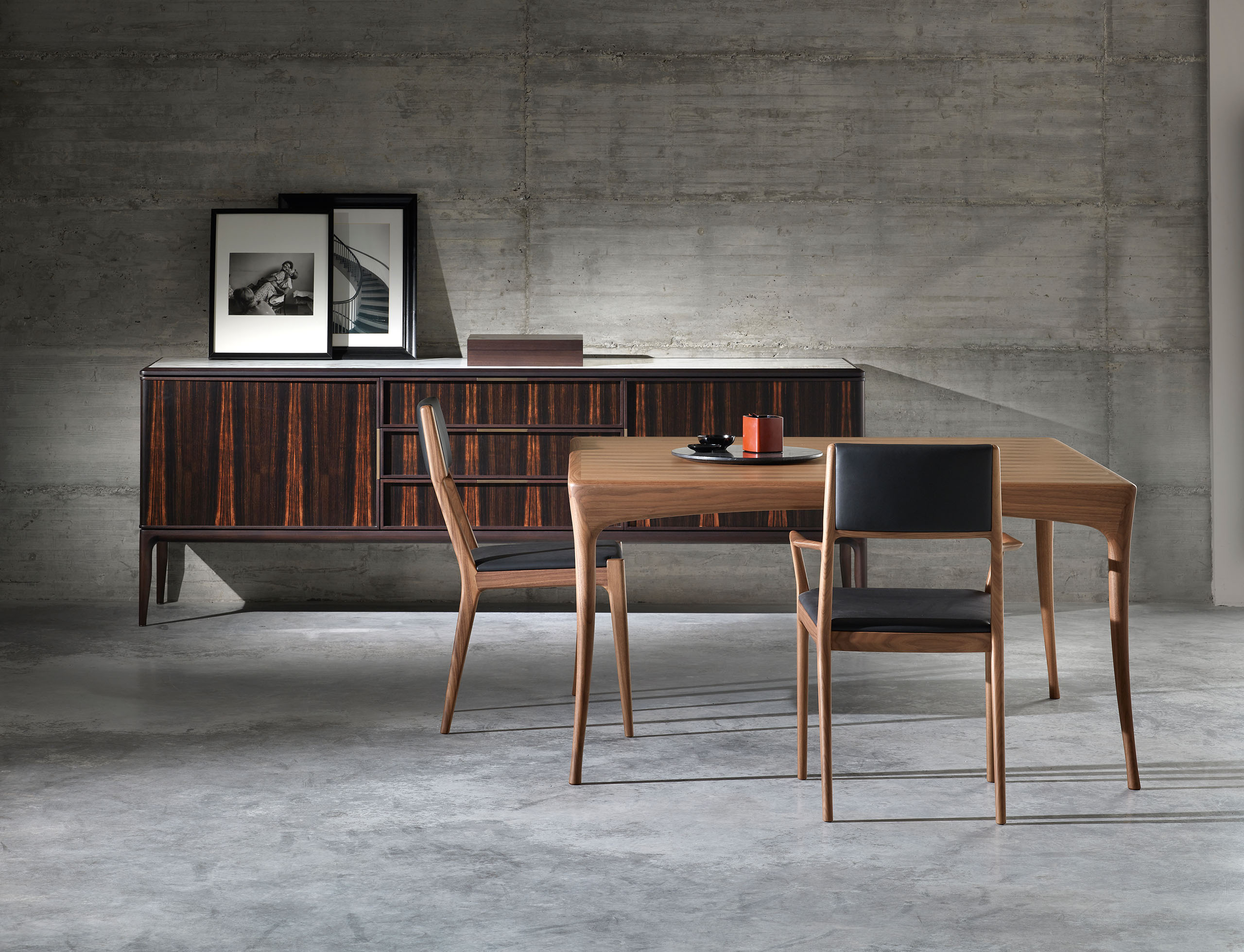
Perro table, ALA chair designed by Giuseppe Casarosa and Full Sideboard chest of drawers designed by Roberto Lazzeroni
Over time, in addition to furniture for the home, the factory began to furnish hotels, cooperating with the most prestigious international chains, such as Trusthouse Forte, Sheraton. In 1988, the management of the company passed into the hands of Aveiro's son, Franco Ceccotta. This esthete and intellectual with impeccable taste brought the company to a fundamentally new level. In collaboration with the designer Roberto Lazzeroni, who is currently the art director of the company, they formed a unique style that filled the brand's items with a special energy of life.
Roberto Lazzerone
Roberto Lazzeroni is an Italian designer, since 1988 the art director of the Ceccotti factory. It is he who is responsible for the factory's collaboration with other designers.
He was born in Pisa, studied architecture and fine arts in Florence, always loved "radical design", was friends with the authors of the iconic Zacco bean bag Piero Gatta, Cesare Paolina, Franco Teodoro, while still in school he began to formulate the philosophy of "interior architecture".
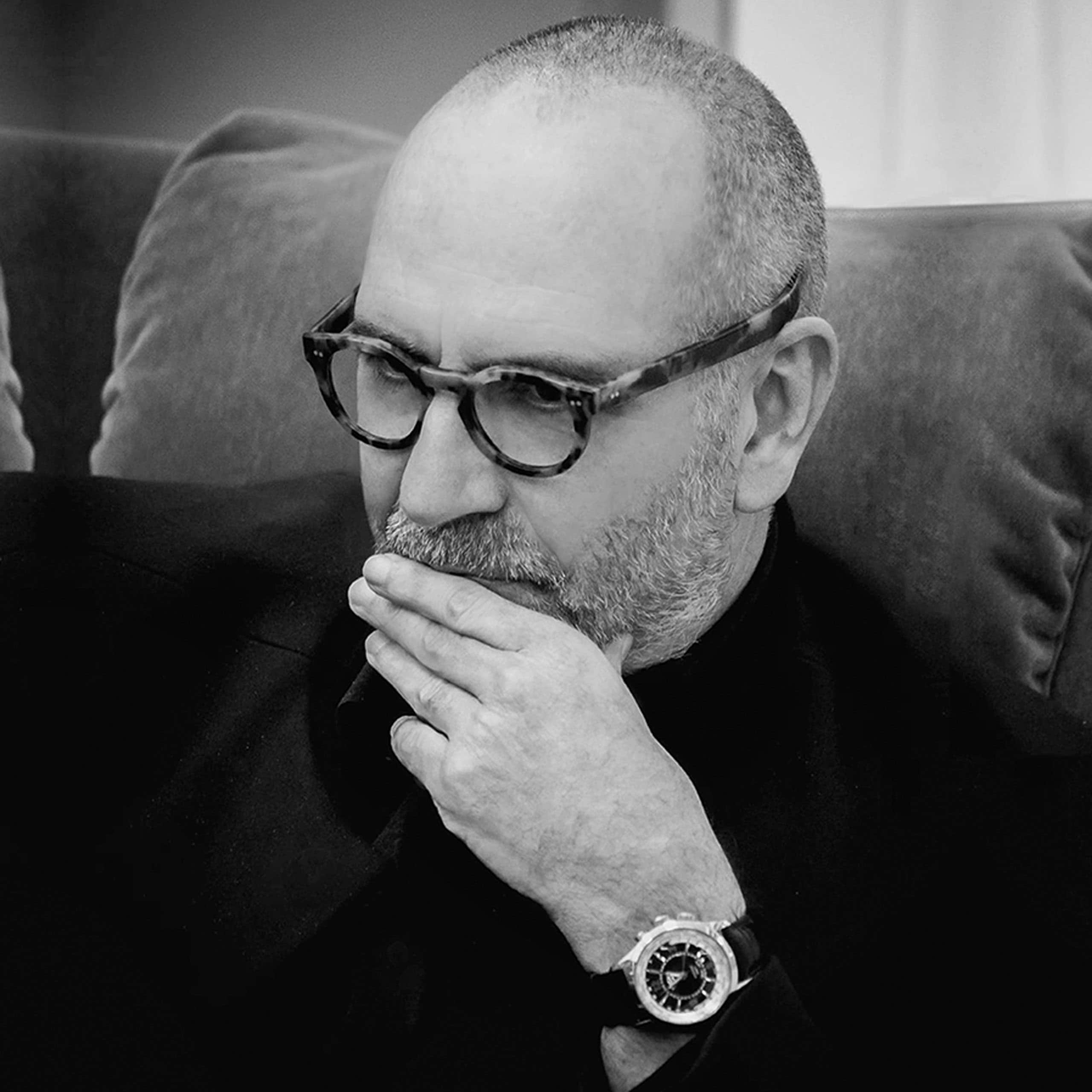
Roberto Lazzerone
In the 80s, he became interested in interior and industrial design, and for the first time declared himself with the collection "Interior Architecture", which the author himself considers only a training ground and a starting point in his career.
Lazzerona's name really became known in the 90s after the release of a collection in the neo-modern style for the Ceccotti factory, which marked the end of the "era of masculinity" in design. Lazzeroni calls his design sentimental and tries to give furniture the "tenderness of the human body."
Throughout the 2000s, Lazzeroni has been actively creating kitchens for Italian factories. Many of them became real bestsellers, for example, Aurora for Alison and Grace for Varenna.
Roberto Lazzerona's works are presented at prestigious international exhibitions of interior design and in special museum exhibitions around the world: Techniques Discretes (Paris, 1991), Conran Foundation Museum (London, 1992), Elegant Techniques (Chicago, 1993), La Fabbrica Estetica (Paris) , Dall'Albergo alla Nave (Genoa), Costruire il mobile (Milan, 1999).
In addition to the Cecotti company, Roberto Lazzeroni cooperates with such brands as Baxter, Casamilano, Gervasoni, Moroso, Poltrona Frau, Visionnaire, Luminara.
Free
In the opening chapters of his philosophical treatise "How to project for the ages." Architecture outside of time" Christopher Wolfgang Alexander explains that the "property without a name" arises when a certain level of freedom is allowed in the system. "This property is inherent in the foundry: in the hot sparks of metal, freedom and indomitability are manifested," the author writes.
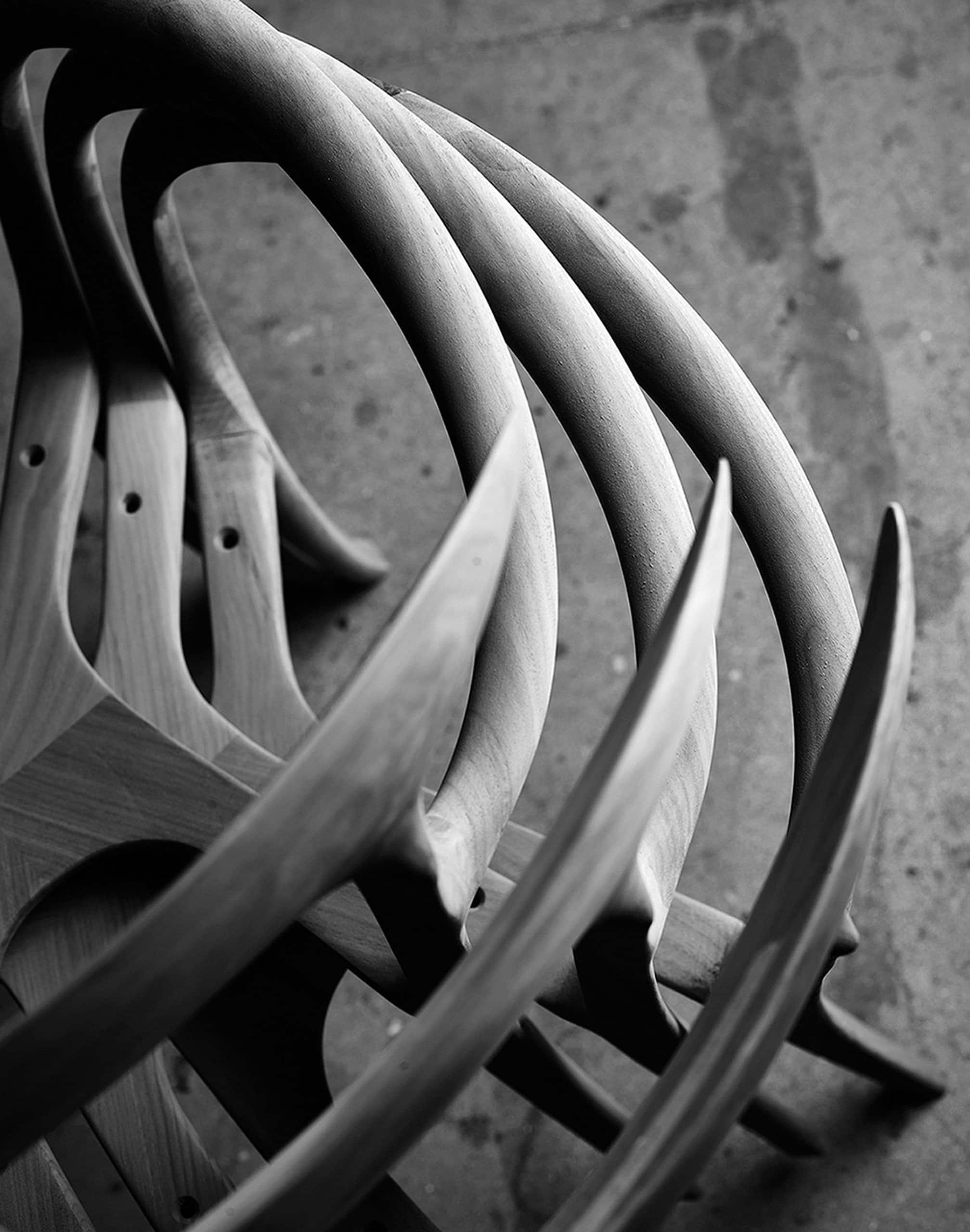
For Ceccotti's work, they choose valuable types of wood - Italian and American walnut, Croatian oak, Indian rosewood, European maple
When we think of architects who display inner freedom, one of the first names that comes to mind is Antonio Gaudi. This person who has been withdrawn since childhood, lonely, full of mysteries, who did not quite correspond to the spirit of the time with his religious views, whom the Catalans rightly call the "genius of the place", will forever remain a phenomenon. Not recognizing luxury and wealth, he dressed modestly, asked for something, worked a lot for free, moved only on foot, taking long walks to the sea, led a completely ascetic lifestyle, but at the same time presented the world with a colossal wealth of architectural forms. Devoting 42 years to the construction of the temple, he performed his quiet feat like a saint. All his external restraint and deliberate simplicity contradict those inner "sparks of indomitability" - there is so much life and freedom in his creations that there is not even a shadow of doubt that the great architect always knew about Alexander's method: "Houses arise naturally and organically, like flowers in a garden." House of Vicens, Park and Palace of Güell, El Capriccio, House of Calvet, House of Mila and House of Batllo, and, of course, the main project of Gaudi's life - the Church of the Holy Family... What objects, if not these, would be called "growing flowers"?
Antonio Gaudí: "The presence of wings in a bird does not mean that it can fly... Wings are sometimes necessary for a person, but he does not always know about it"
The absence of straight lines, streamlined shapes, plant motifs, colorful, almost fairy-tale mosaics, the play of light and shadow, and as a result, the appearance of a completely new unique style, which we now call Catalan modern. Gowda's love for nature manifested itself at an early age, when the boy was diagnosed with rheumatoid arthritis. Deprived of active games with his peers, Antonio spent a lot of time observing the world around him, thinking and being silent. Forms of the surrendered ego always follow nature. But not only this makes his objects alive.
It is impossible to perceive these works only visually, to understand them with the mind, but the feelings that arise from communication with Gauda's architecture are "properties without a name". The architect understood it subconsciously, and he himself, perhaps, possessed this property. Gaudí hardly worked with drawings! He used sketches and sketches in the impressionist style. His main tools were fantasy, imagination, intuition and phenomenal mathematical calculations.
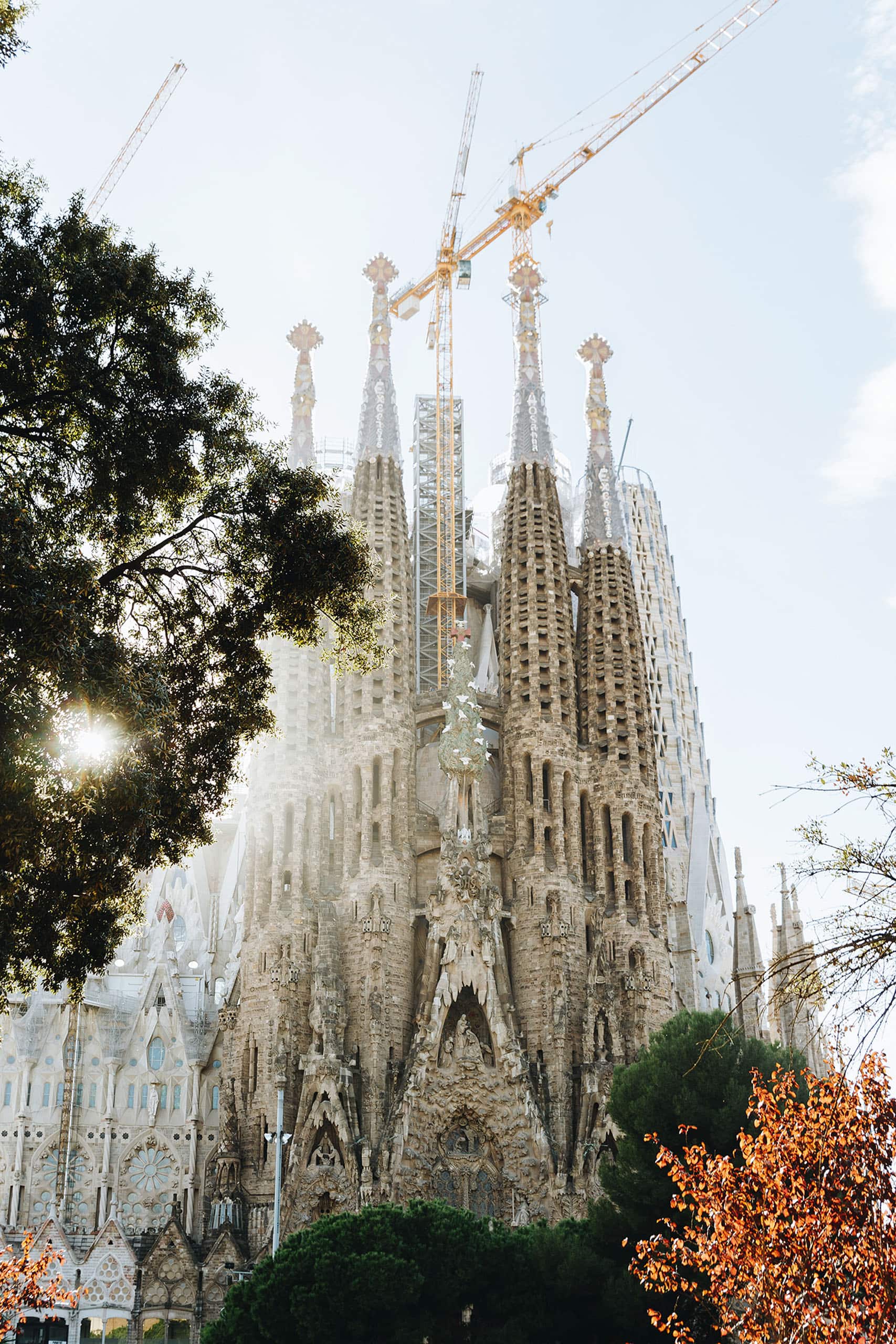
Temple Expiatori de la Sagrada Familia
Freedom of Gouda
What was Gauda's freedom manifested in? It was expressed in an innovative approach to planning - in Mila's house, the architect for the first time proposed the use of supporting columns to avoid dividing the apartment by partitions and walls. Gauda's freedom is that he was not limited to architectural means to create his masterpieces. He created an atmosphere by placing something human, sensual in his objects. So, in the tower of El Capriccio, which resembles a minaret of a mosque, the architect took into account the customer's love for music and equipped the windows of the main entrance with bells that played melodies when opening and closing. In Belesguard Tower, he painted the vault in the deep dark blue color of the night sky, so that everyone who came to the palace felt a sense of unity with nature, and in the dome itself he made small holes so that the light that seeped through them resembled stars twinkling in the sky.
Impersonal
From the history of Park Güell, it is known how the famous mosaic bench in the shape of a snake appeared: Gaudí asked the workers to sit down on the fresh cement in turn, almost taking off his pants, in order to get a seat that was perfect in all respects, unusual and at the same time so natural, as described in his book, Christopher Alexander: "Remember the appearance of some old bench: there are hearts cut out, there are holes on the back - all this is impersonal, there is no egocentrism and demonstration of "I". Such elements are not made according to the drawing, according to the plan. They are spontaneous. Carefree, selfless - they were made where it was convenient. There is no intention behind them. They have a natural look. They are so in their place that it seems that the person who carved them realized the need for a bench."
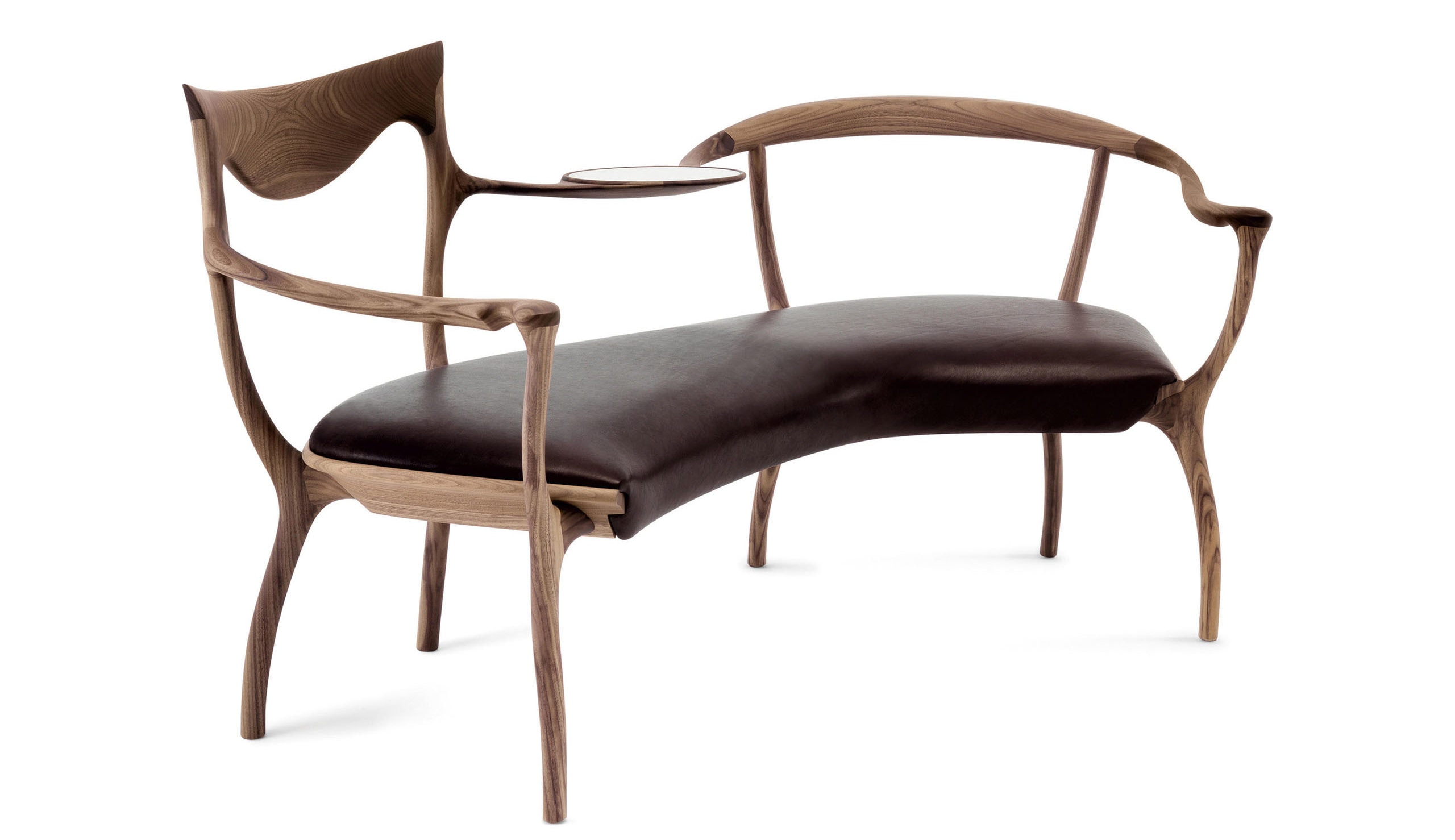
The DRDP banquette is made of solid American walnut
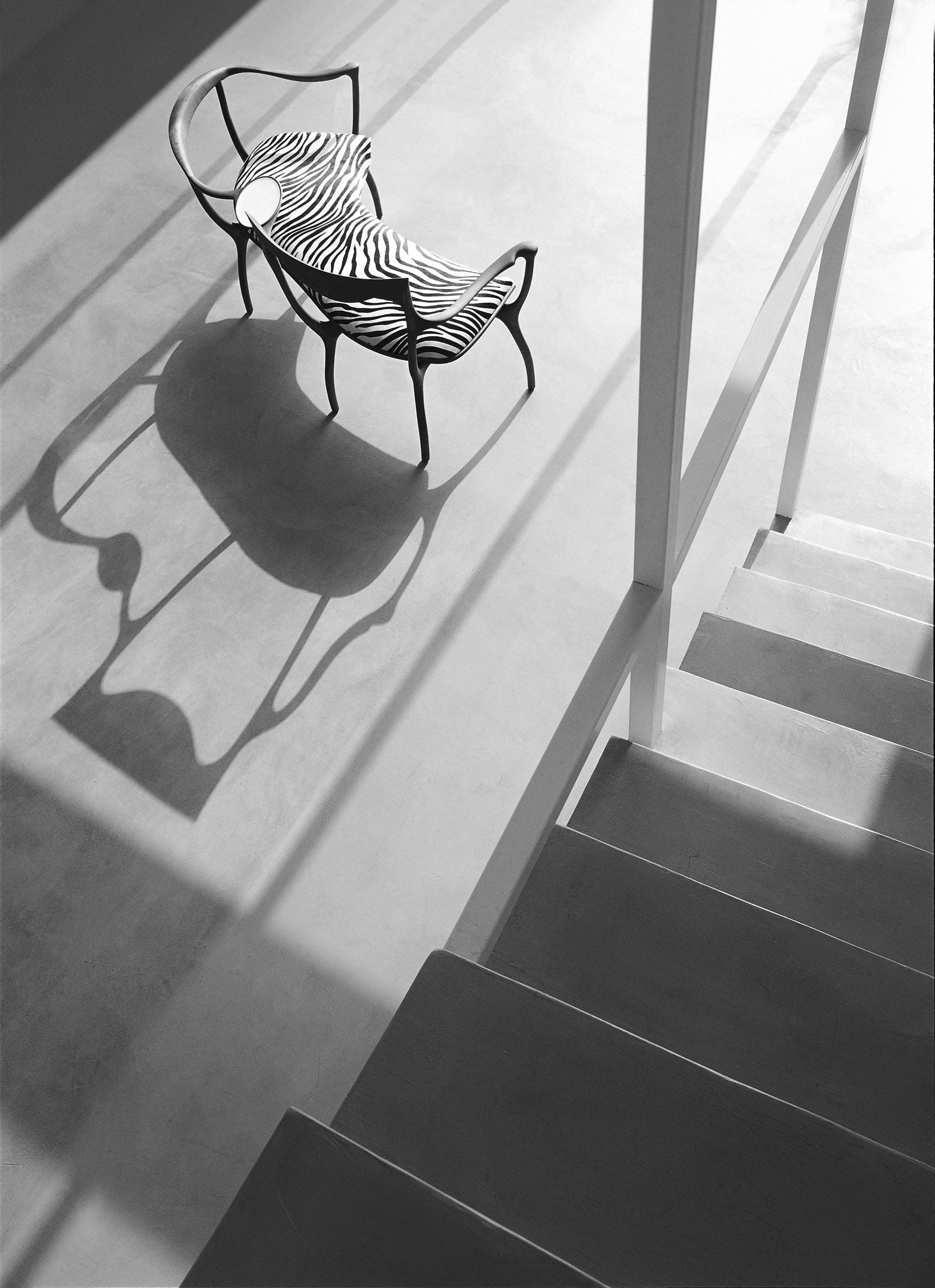
The DRDP banquette is made of solid American walnut
It seems that Gaudi also realized the need for a bench. You ask, what does Ceccotti have to do with this? Absolutely the same sensations arise when we look at the famous DRDP banquette of the Italian factory. It has already become a classic of modern design and even a part of cinematography (the product can be seen in the movie "The Devil's Advocate"). This piece of furniture invites you to a leisurely conversation, pacifies, soothes and sets you in a romantic and slightly philosophical mood.
Do you see the connection between the Christopher bench, the Gouda bench and the Ceccotti sofa? This is definitely the presence of a "property without a name". Ego was considered by Franco Ceccotta and Roberto Lazzerone when they made their joint inspiring trip to Spain. There they were infected by the atmosphere of freedom, the genius of Antonio Gauda and decided to share this feeling, embodying it in their first collection, Dedos Tenidos. This conceptually new furniture immediately received glowing reviews. In it, masters combined functionality with elegant art nouveau lines. The collection is characterized by smooth natural, almost surrealistic forms, referring to the paintings of Dala and the morphology of Gauda. But if Gaudí masterfully worked with reinforced concrete, turning buildings into unique sculptures, then Lazzeroni turns wood into sculptural compositions. The Italian designer believes that streamlined, sensual, feminine forms have entered the design.

Saturn chair by Roberto Lazzerona, Beside You tables designed by Noé Duchaufour-Laurance
Other Ceccotti items also have these properties. Complementing the DRDP banquette is a miniature tray table that will readily accept two small cups of coffee, an ashtray or telephones so that they do not occupy your hands and distract you from the conversation. The original Chambre Close hanging chair, also designed by Lazzeroni, ironically embodies the habit of men to hang and fold clothes on chairs. This item is elegant, plastic and almost weightless.
Ma belle chair with armrests, Bean desk with a built-in soft seat - all these things have the character of freedom, which gives life to objects.
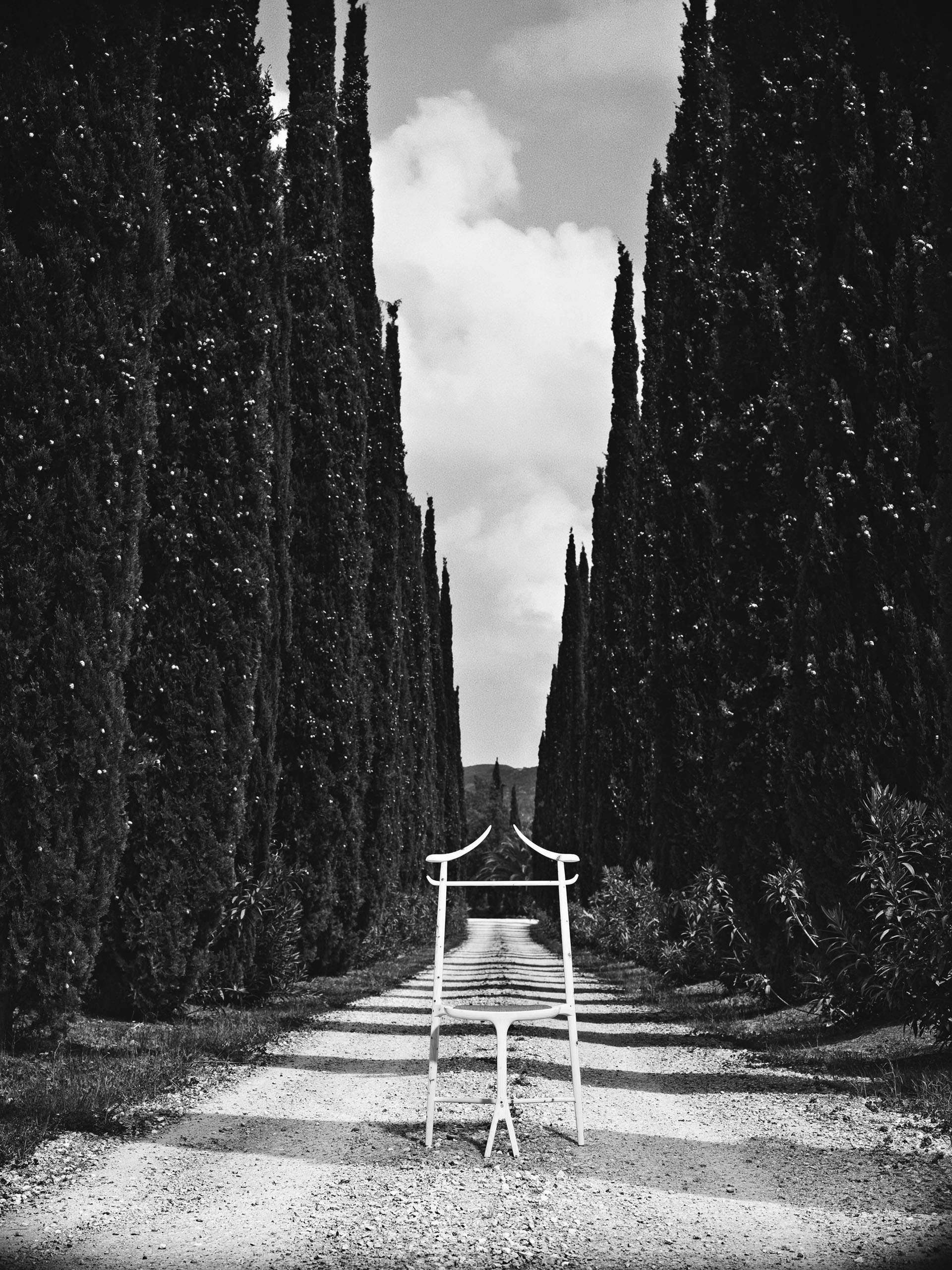
Chambre Close hanging chair designed by Roberto Lazzerona
But not only the forms of the Ceccotti and Gouda relatives. Their commonality is also expressed in philosophy itself. Gaudí incorporated his architecture into the garden as if it were a continuation of nature, that is, without declaring itself as architecture. This is the fate of impersonality, which was discussed in the episode of Christopher Alexander. Gaudí himself will leave life defaced, as befits a saint - hit by a tram, unrecognized by passers-by, taken to a hospital for beggars... We all know this sad story. Yes, impersonal, without a manifested "I" - like a carved heart on a wooden bench.
Thanks to the absence of a glaring "I" and the delicate handwriting of the designers, Ceccotti products easily communicate with any modern interior
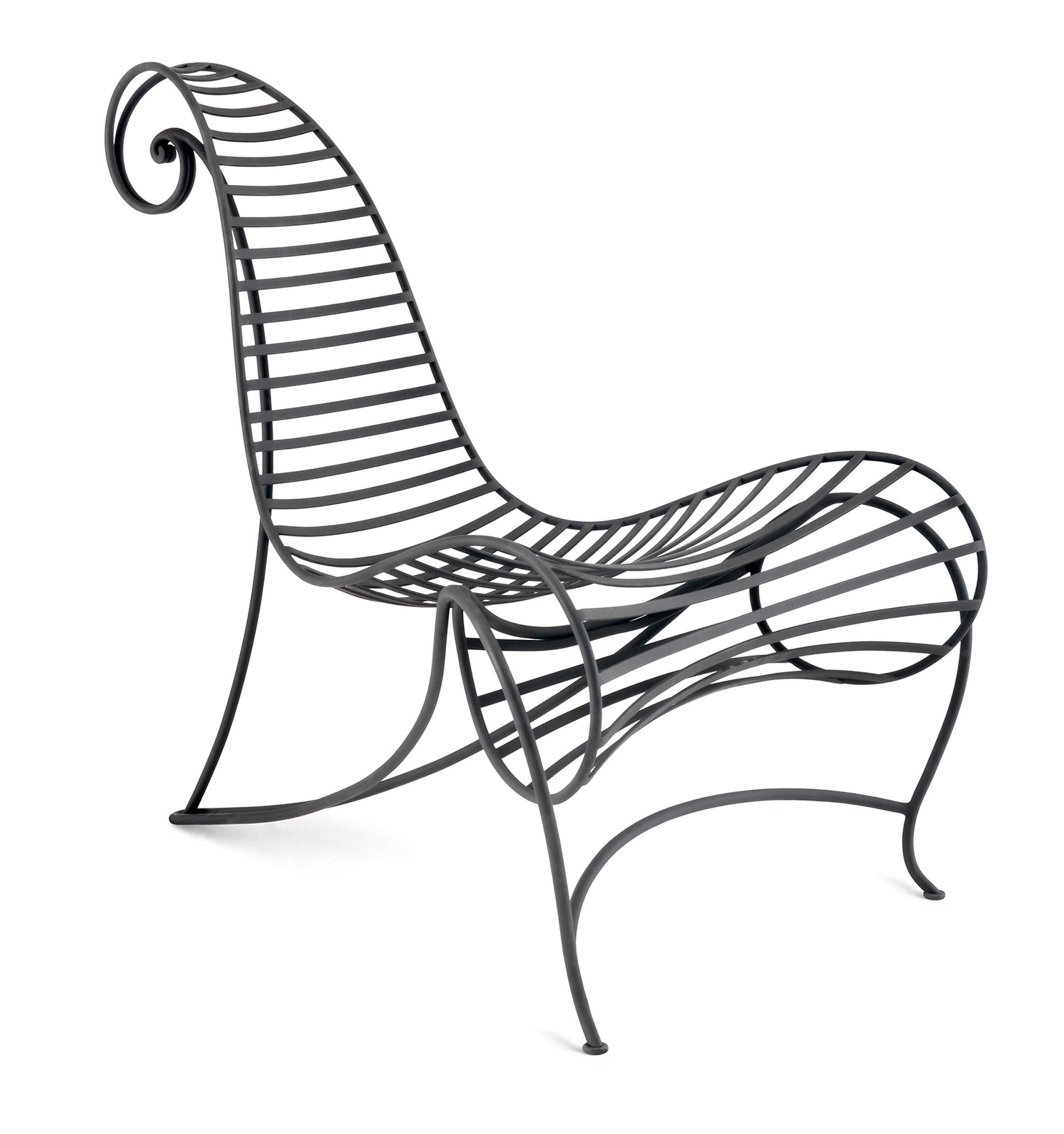
The metal Spine Chair by Andre Dubray
Cecotti's items also seem to have no glaring "I". The company works with the most famous designers, such as Todd Bracher, Oscar and Gabriel Buratti, Massimo Castagna, Vincenzo de Cotis, Andre Dabreil, Noé Duchaufour-Laurence, Jaime Aion, Ross Lovegrove, Pedro Miralles, Christophe Pillet, who certainly have their own signature.
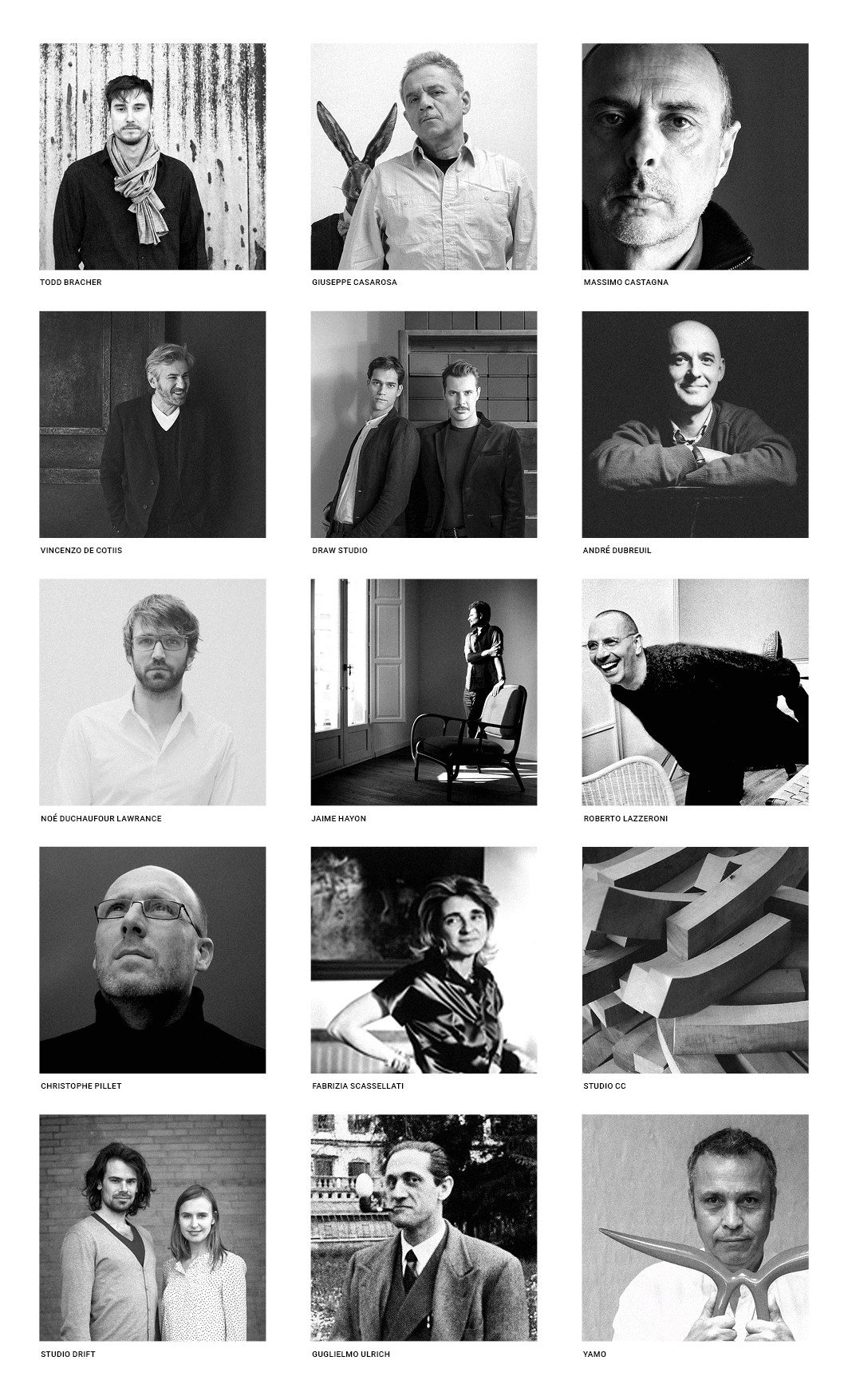
The company works with the most famous designers, such as Todd Bracher, Oscar and Gabriel Buratti, Massimo Castagna, Vincenzo de Cotis, André Dubreil, Noé Duchaufour-Laurence, Jaime Aion, Ross Lovegrove, Pedro Miralles, Christophe Pillet
However, their influence is so subtle, so neatly and organically fits into the general concept of the brand and is so harmoniously combined with other objects and collections that this ability makes Ceccotti products easily communicate with any modern interior. And this makes it possible to make them the main players in the space of residential residences, luxury hotels and even part of museum collections. For example, Andre Dubreuil's metal Spine Chair is an exhibit at the Museum of Modern Art in New York.
Comfortable and correct
Another dimension of the "property without a name", according to Christopher Alexander, is conveyed by the word "comfortable". The author explains that the mystery of real comfort goes far beyond the superficial meaning of this word. Alexander postulates that comfortable places are comfortable because they are devoid of internal contradictions, there are no small things that can interfere. "Imagine a frosty day, a cup of tea, an interesting book, the soft light of a floor lamp, comfortable pillows. All this makes up comfort. This feeling is difficult to convey in words, other people do not feel ego on themselves. This is something of yours... You carefully put a cup next to you, move the floor lamp so that it shines not in your eyes, but on a book, adjust your pillows, read, dream. When you create yourself these worries, you stock up on everything - in the atmosphere there is a "property without a name", - writes the author.
Christopher Alexander's description is similar to what the inhabitants of northern countries know about comfort and peace. The Swedes summed it up in the word "lagom" - a complex concept meaning moderation and a pragmatic approach in everything, which creates a balance at the heart of Swedish happiness. And they know something, because Stockholm is one of the top five happiest cities in the world. For Sweden's neighbors, the Norwegians, this state of happiness is described by the word "hygge". It is translated as "prosperity, well-being". This is a broad and complex concept that means warmth, closeness, the ability to find happiness in simple things and appreciate every moment of life.
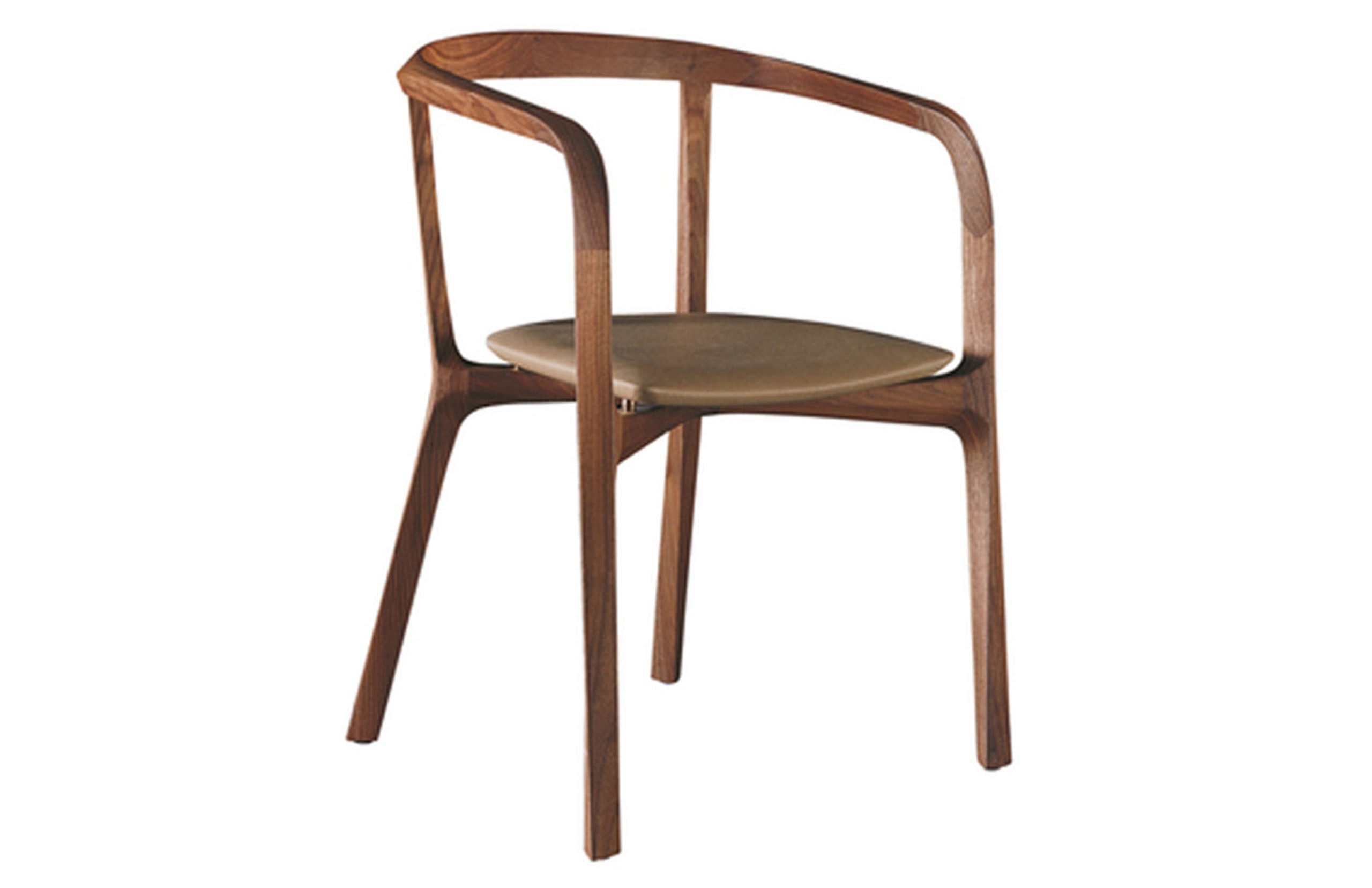
You say chair by Roberto Lazzerona
The design philosophy of the Nordic countries was formed in harmony with these concepts, combining national features and the nature of the local harsh climate. Modesty of the poor strata of the population led to the romanticization of everyday life, economy - to the use of local resources and the development of regional crafts. As a result, we got a Scandinavian style — rational use of material and conciseness of forms, accessibility, light cool tones, warm lighting, natural wood and fabrics. As a result, we have Kaare Klint, Ole Vanscher, Hans Wegner, Berge Mogensen, Finn Juhl, Arne Jacobsen, Eero Aarnio.
Looking at the objects created by them, in addition to the word "comfortable", I want to pronounce "proper". And this concept is also one of the main components of the "property without a name". This is what Alexander writes about this: "The word "correct" balances the meanings contained in the words "comfortable" and "free." For example, how to create a bird feeder? It turns out that it is not so simple. Birds have their own laws, and if I don't follow them, no one will fly. If you hang the feeder too low, the birds will not use it, as they do not like to fly low. If it is hung too high, but in an open place, the wind will interfere. If clotheslines are nearby, the birds will be afraid."
"If your feet are cold, please take a woolen hyggesokker from the basket"
Mike Viking, director of the Institute for the Study of Happiness in Copenhagen
That is, behind the apparent simplicity of everyday things is well-thought-out ergonomics, functionality, ratio. These are objects of northern design, which, according to Ceccotti, had a strong influence on the creation of many objects. And analyzing later products of the famous Italian brand, we can easily make sure of this. Let's take a look at the You say armchair made of American walnut. Nothing superfluous, no distracting elements, a balanced form and asceticism. Absolute lagom. And here is the Star Trek armchair, created by Roberto Lazzerona, who came up with more than one unique object. What is the Scandinavian style in it?
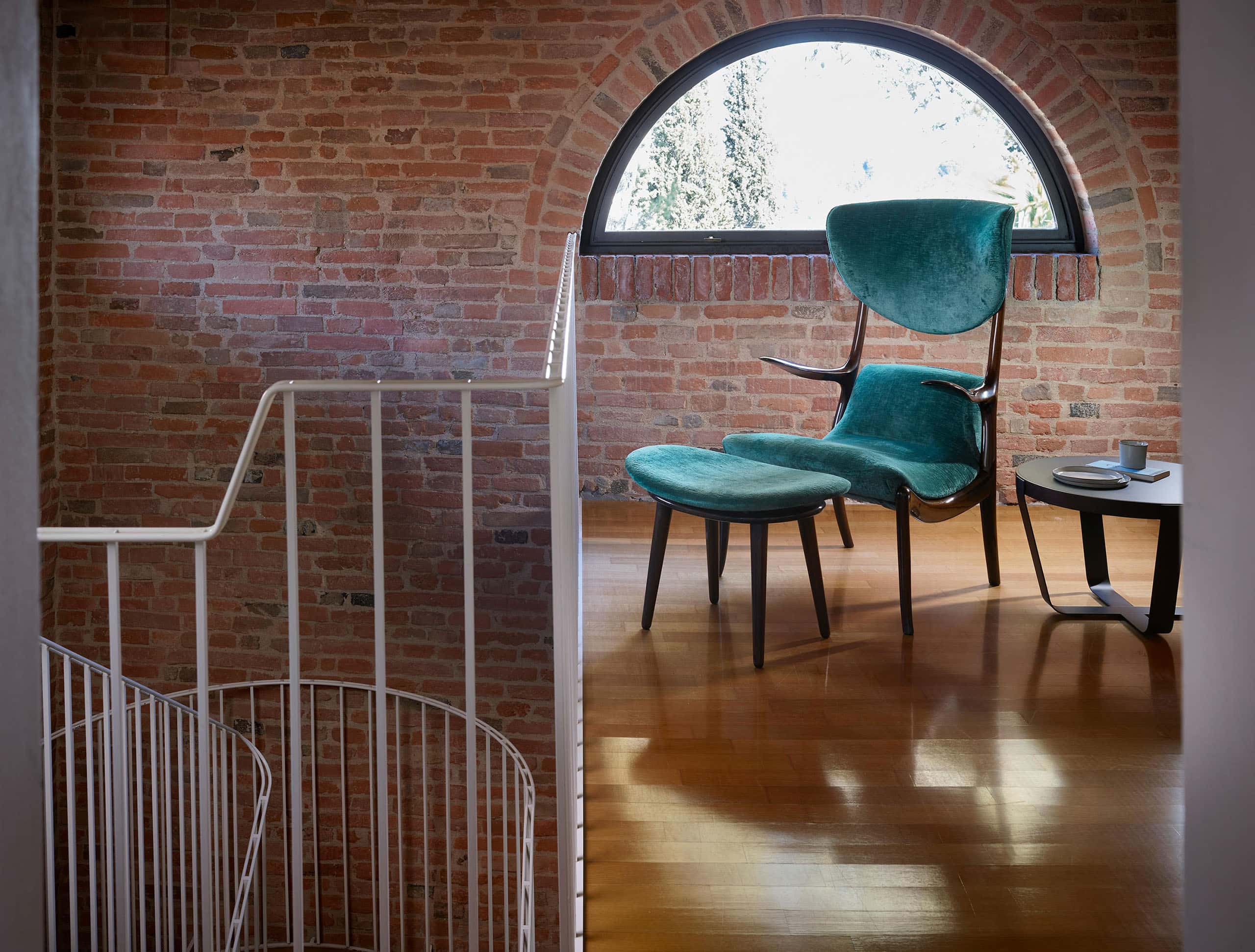
Star Trek chair by Roberto Lazzerona
A high and soft headrest, a seat shape that allows you to sit at an angle in a more relaxed position to enjoy rest and pleasant moments of life. Absolute hygge. In 2008, the company released the Obi table with a frame and a central cross-shaped support made of solid American walnut. A simple form, a refined silhouette, thin lines, similar to the artistic images of Karl Larsson. The atmosphere of a cozy northern interior. Low chair made of bent plywood Estate. Low, squat, wide, comfortable seat — ergonomic shape, simple geometric lines, natural textures, light color. These and many other Ceccotti items are comfortable and correct. A "property without a name" appears in them.
Holistic
Following the "guide" of Christopher Alexander, we must understand one more component of living objects. The author writes that the "property without a name" conveys the word "entire". There is a hint of closure, completeness in it, but it is not quite so. "When we call a thing whole, we tend to think that it is separate from the surrounding world, exists by itself. However, the lung can be called whole only when it extracts oxygen from the air for the body. A person is whole only when he enters the community of other people. The city is complete when it is in balance with the countryside surrounding it," the author says.
Speaking about integrity in the context of architecture, we mean a contextual, environmental approach. Such, for example, was used in his projects by the Italian postmodernist Paolo Portoghese, whose thoughts influenced the formation of Ceccotti's philosophy. This Italian architect, historian, critic, essayist and university professor, whose works include numerous religious structures, residential complexes, theaters and public buildings, is an implacable fighter against architectural amnesia, who opposes the desire of modern architecture to "cancel and forget the past".

The Portuguese are great admirers of ancient and modern Islamic architecture, the tradition of which offers numerous examples of the connection of monuments with the city, in which various spatial functions intersect. We are attracted by the charm of eastern cities, where the alternation of open and closed public spaces, which offer collective public life, demonstrating its different sides: the ritual of prayer, walking, trading, is what attracts us. And in all this diversity, the beautiful thing is that there is a holistic connection between different formats of life, and architecture is the core of the composition of the street, the city, and not the other way around. This is the wholeness that Christopher is talking about.
The Ceccotti factory is also following the path of integrity. Following Alexander's postulate, the factory strives to maintain a balance in its production. Ceccotti craftsmen use wood from strictly controlled plantations, according to the life cycle of trees, and this contributes to the necessary processing and reproduction of the forest resource. Suppliers of timber for Ceccotti are companies that deal with environmental issues and have received such certificates as SFI (Sustainable Forestry Initiative), FSC (Forest Stewardship Council), which are aimed at sustainable forest management.
Speaking of integrity, one cannot fail to mention the factory's inextricable connection with tradition, with the unforgettable past, which the Portuguese spoke about. Ceccotti inherits the craftsmanship of his great-grandfathers, performing a true miracle with the material. The company's specialists combine new wood processing technologies with those that have been proven for several centuries. Virtuoso masters Seccotti specialize in unique wood processing. Great attention is paid to manual labor.
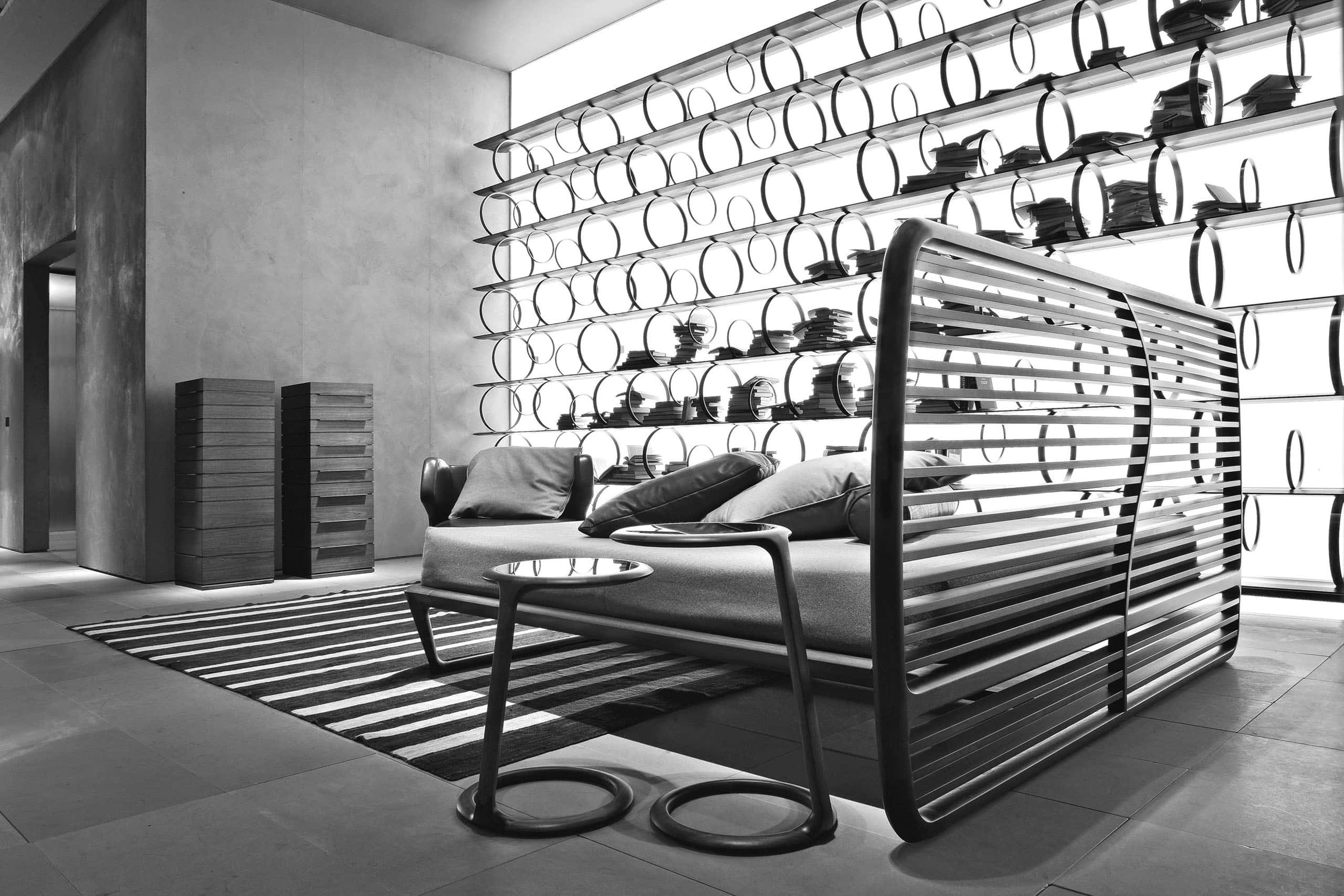
Buonanotte Valentina bed and Beside You tables by Noé Duchaufour-Laurance, Flying Circles rack by Massimo Castagna
Such embodiment of forms in wood, as in Ceccotti, is not found in any similar factory. It seems that these objects are forged from metal, cast from glass, sculpted from clay, in short, made from a pliable, flexible mass, but not at all from wood. Valuable types of wood are chosen for work - Italian and American walnut, Croatian oak, Indian rosewood, European maple. By the way, about integrity: the details of the future product, designed by designers, are cut from a massif, a solid piece of wood, without using a single metal fastener! Sawing of wood is done manually. A special vinyl glue is used to connect furniture elements, the recipe of which is kept in the strictest secret. In addition to wood, natural veneer, tempered glass and precious metals are used in the production of products.
Ceccotti on the Ukrainian market
As already mentioned at the very beginning of the article, living objects deny any virtual representation and require sensory, tactile relations. This understanding is the basis of the philosophy of the Dominio Group company, which tries to provide the Ukrainian customer with the best samples of the Italian factory. Today, an important event in the life of the brand was its association with the no less famous Poltrona Frau Group factory. This company jointly with Haworth Inc. announced that it had received an agreement to acquire a controlling stake in Ceccotti Collezioni.
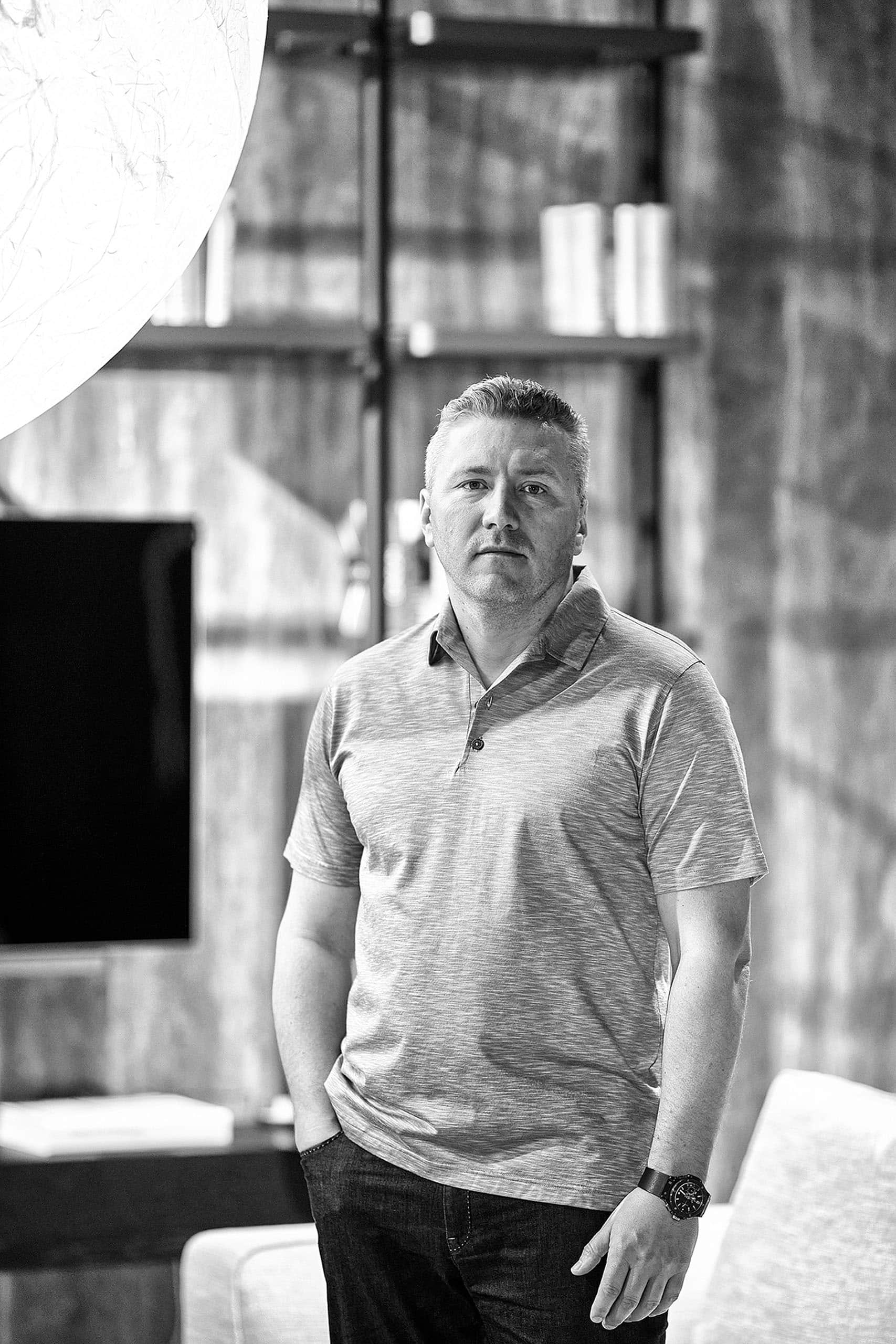
Yury Porubchenko, head of the Dominio Group company
Yury Porubchenko, head of Dominio Group, tells about the new stage of brand development and his own collaboration with Ceccotti:
"It is a great honor for us to work with the Ceccotti factory. This is a very high-level company with rich roots. Production is located in the very center of Tuscany, and therefore the influence of local culture on the philosophy of the factory is very great. The skill of local craftsmen, the zeitgeist of the 60s, the atmosphere of this region, its traditions, and art can be felt in every product to this day. These are skills and knowledge honed by three generations, these are the thoughts of talented designers whose background is close to the history of the factory itself.
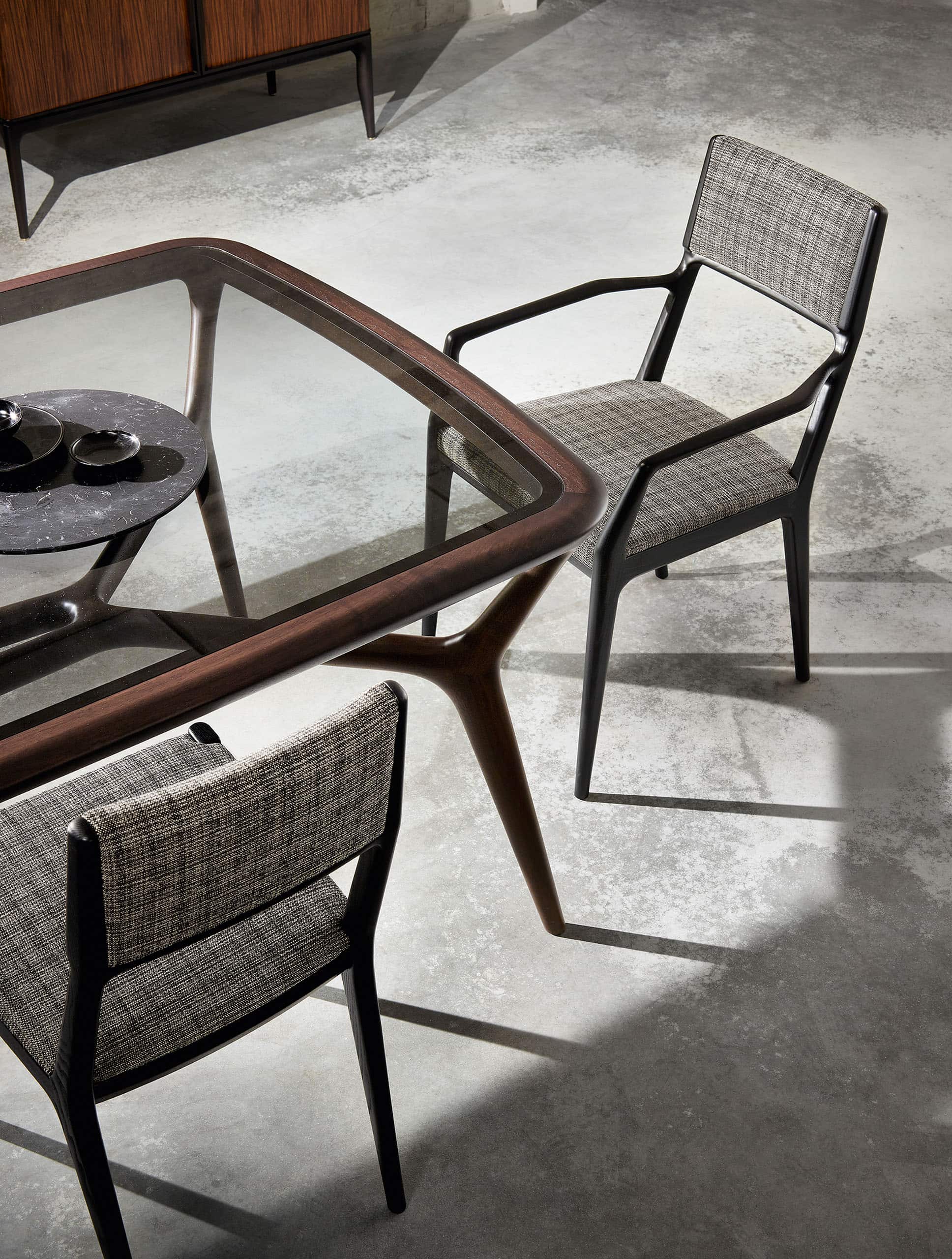
Sevenmiles table by Roberto Lazzerona, ALA chair designed by Giuseppe Casarosa
The designer and current art director of the company, Roberto Lazzeroni, whose fruitful collaboration made Ceccotti famous all over the world, grew up with an understanding of the value of manual labor, as his parents were craftsmen and engaged in the manufacture of saddles for horses. Together with Lazzeroni, the factory managed to receive many international awards in the field of design and create collections that were loved by the most sophisticated connoisseurs of art and design. It is interesting that the potential of the company is most revealed with the use of manual labor. Each Ceccotti piece is finished by hand, so there is no identical product in the factory, that's why they are so alive, they are all absolutely unique things.
An important event for the life of the factory was that it was acquired by the Poltrona Frau Group, which is now very helpful in its development. This is the opening of a new showroom in Milan, and the attraction of new, younger designers who bring their own vision.
As for our cooperation, of course, we really love this brand, and I myself personally admire every item that enters the Dominio salon, many samples are presented in our expositions.
Eternal
Continuity with the historical past, interaction with nature, people, and tradition make the objects of the factory timeless, that is, eternal. This unique style will be relevant hundreds of years from now. That is why Ceccotti furniture is bought on all continents, stored in museums and shown in cinemas.

DC225 sofa by Vincenzo de Cotis, Flying Circles shelf by Massimo Castagna, Stella coffee table by Noé Duchaufour-Laurance
"All objects, people and places that have an "unnamed property" touch the sphere of the eternal. At the moment when things are freed from their internal contradictions, they take their place in the order of things that exists outside of time..." - Christopher Wolfgang Alexander.


