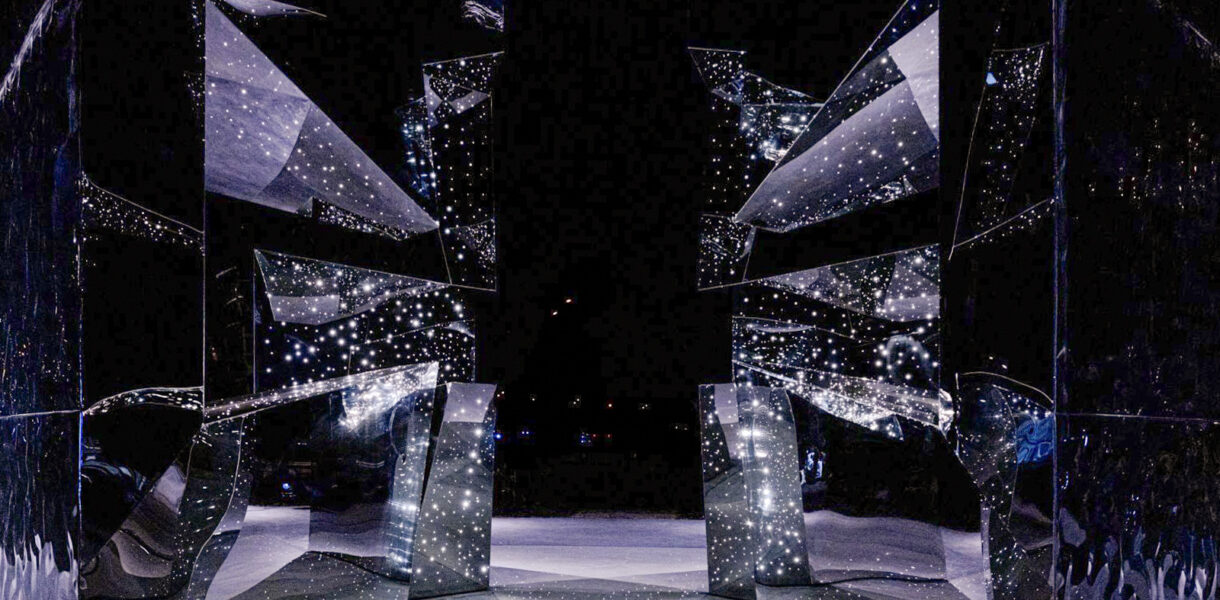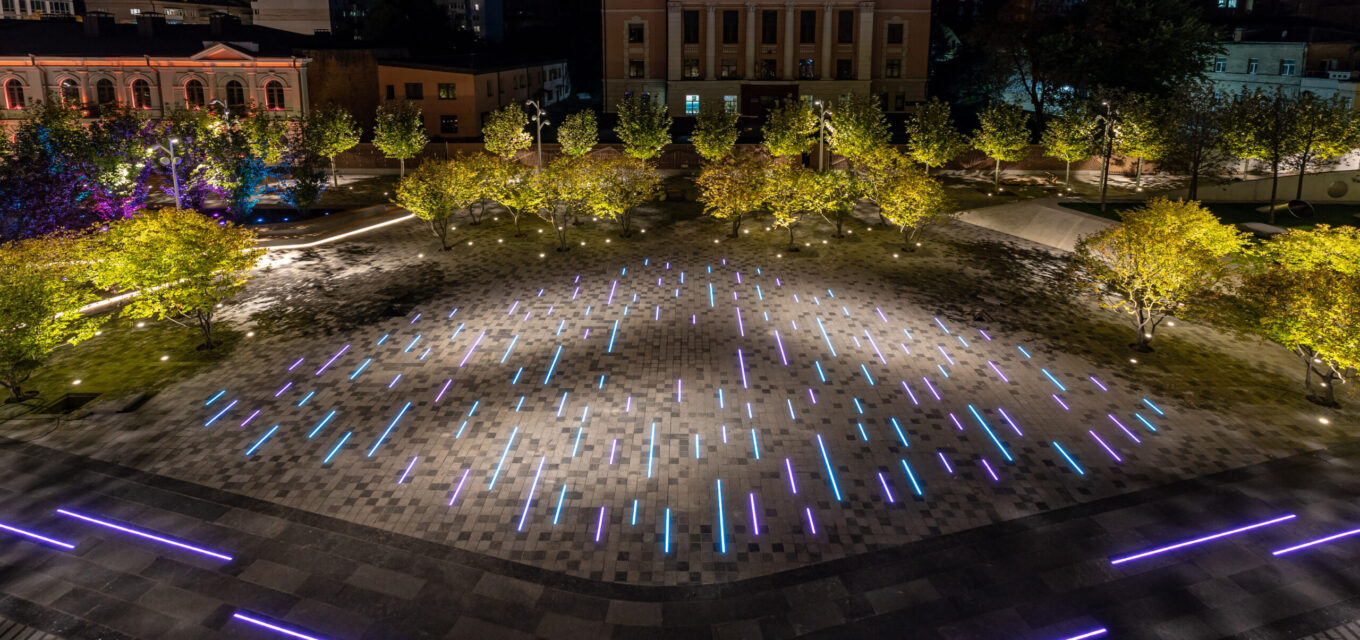


The design code is a tool not only for ordering, but also for the visual unification of urban spaces. United by a standardized and modern design code, the streets of the city appear to us as a complete urban organism in which residential buildings, institutions, commercial premises, signs, facades, storefronts, etc. live and function. Attempts to introduce a uniform design code in Ukrainian cities and individual public spaces are made regularly — for example, you can easily distinguish Lviv's road signs and address signs from Kyiv's, and Kharkiv's parks from Odesa's. However, until now, the design code for Ukraine is mostly a concept of identity and architecture. But what about light?

The design code is a tool not only for organization, but also for visual unification. Image courtesy of A Development
Working with light in public space is not only a matter of safety in the dark. At the expense of rhythmically repeating lighting solutions with the same character and temperature of light, the space is structured, its tonality and general mood are set
And if there are technical standards for lighting public places in Ukraine, the concept of a lighting design code is still missing. We talked about this in more detail with Oleksandr Maksymov, the founder and head of the Ukrainian lighting brand LOFU.
The LOFU brand is generally young — Oleksandr founded it in April 2022. But, apart from that, the entrepreneur has more than ten years of work with light of various categories under his shoulders as of now.

Oleksandr Maksymov, founder and head of LOFU
Oleksandr Maksymov is an electrical engineer-researcher by profession, he has been working with light since 2012, developing lighting devices and lighting scenarios.
- Since 2018, he is the head of Solmix Lighting, a lighting manufacturer for industrial and commercial enterprises.
- In April 2022, based on the Solmix Lighting production base, he founded the company LOFU — a brand of Ukrainian light, which now specializes in interior lamps designed by Ukrainian artists, as well as facade and gallery lighting.
- Behind LOFU are collaborations with Maria Celik and Vitaly Kasynets, participation in exhibitions abroad: Maison&Objet in Paris in 2022 and 2023, i am u are in Los Angeles, etc.
- Currently, under the leadership of Oleksandr, LOFU is also engaged in the development of lighting scenarios for enterprises and street spaces for public use.
"The design code for lighting public spaces in Ukrainian cities is a complex topic and, unfortunately, still not very structured," Oleksandr notes. — While in European countries we can observe that the lighting of public places is subject to a clear system with a number of norms and requirements, in particular regarding the visual properties of the space, in Ukraine this issue is still freely interpreted. And, what is important, every developer and contractor has his own interpretation, which is in no way coordinated with others.
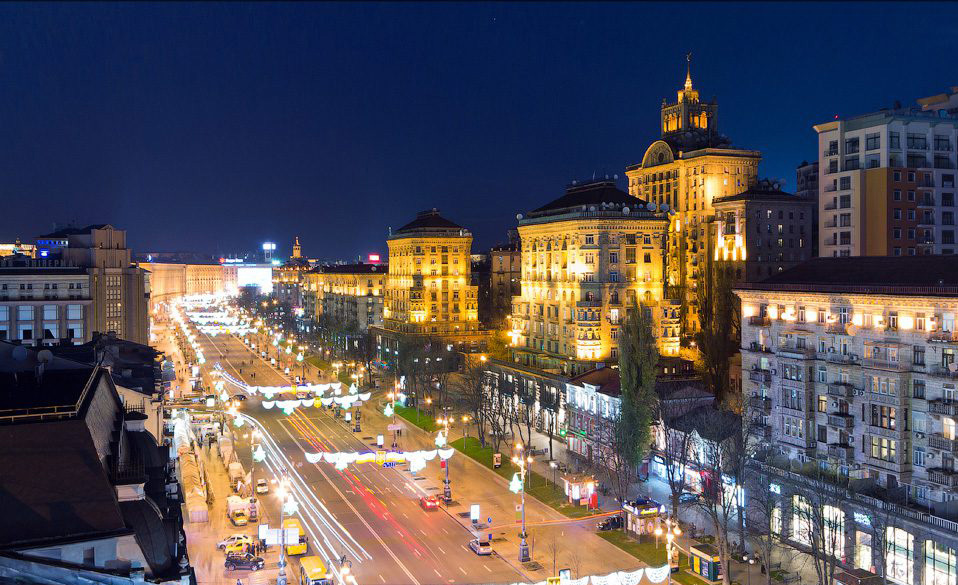
The photo shows Khreshchatyk in the evening, Kyiv, Ukraine. Photo: Pavlo Itkin
As a result, we have large cities that are lit up chaotically. For example, Kyiv has street lamps, many of which are even the same, but they do not meet street lighting standards and create the so-called effect of light pollution on the streets of the capital. In Kharkiv, the story is different - the city regularly holds tenders for street lighting, and each time it is a new contractor. Therefore, the city looks like a vinaigrette with different brightness and temperature of light in different areas, and this picture is completed by billboards, new buildings and shopping centers with multi-colored illumination that are not coordinated with the general lighting of the city.
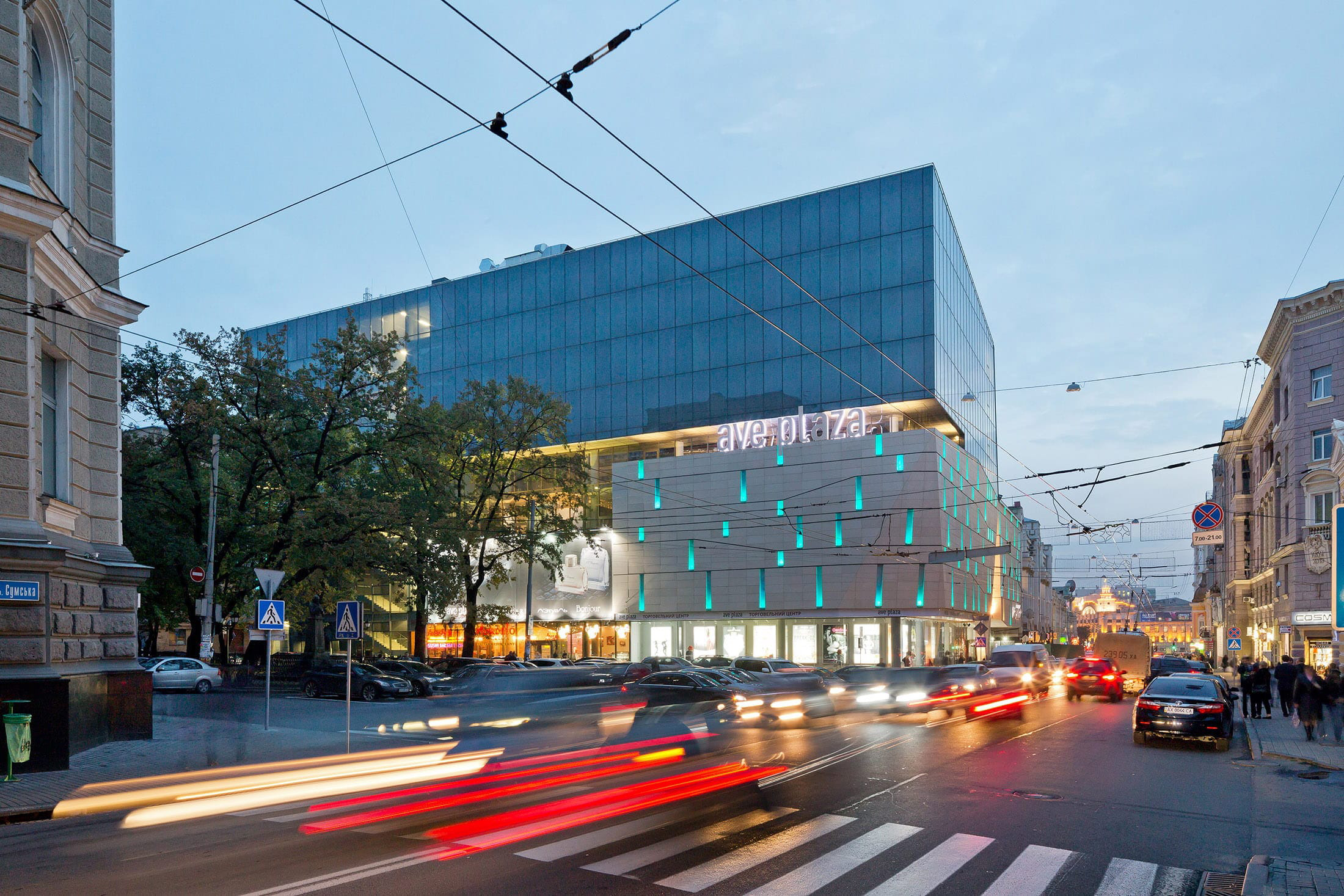
The photo shows the beginning of Sumska Street, Kharkiv, Ukraine. Photo: Andriy Avdeyenko
"The design code for lighting public spaces in Ukrainian cities is a complex and still not very structured topic," - Oleksandr Maksymov
Moreover, according to Oleksandr Maksimov, there are lighting standards in Ukraine - they are formulated both for streets and for premises. For example, in the premises of the store, the entrance area should be lit with a brightness of at least 300 lux, the warehouse - at least 200 lux, office premises - around 600 lux, and street lighting - 16-45 lux, on the roads - 60. And so on. the discrepancy in indicators is not accidental. It is physically difficult for a person to be on a brightly lit street in the dark - this is a matter of the functioning of our brain and biorhythms. The fact is that the human eye gets tired during the day, because in sunny weather the brightness of the light reaches 3500 lux. Therefore, in the evening, we already perceive bright light worse - what's more, our brain remembers that it should be less now, because the day is ending, and soon we will go to rest.
"At the same time, street lighting in Kyiv has a brightness of approximately 150 lux," Oleksandr notes. - Do you feel the difference? It would seem bright - so it is good? But in fact, when you drive in the evening from work on the highway, where it seems like a searchlight shines in your eyes all the time, it does not make you feel better: on the contrary, your eyes get tired, and a person's reaction deteriorates. For the same reasons, there are standards for the design of the lamps themselves — because, depending on the situation and purpose, they must provide a certain light scattering coefficient so as not to blind a person."
"It is physically difficult for a person to be on a street that is too brightly lit in the dark - this is a question of the functioning of our brain and biorhythms," Oleksandr Maksymov
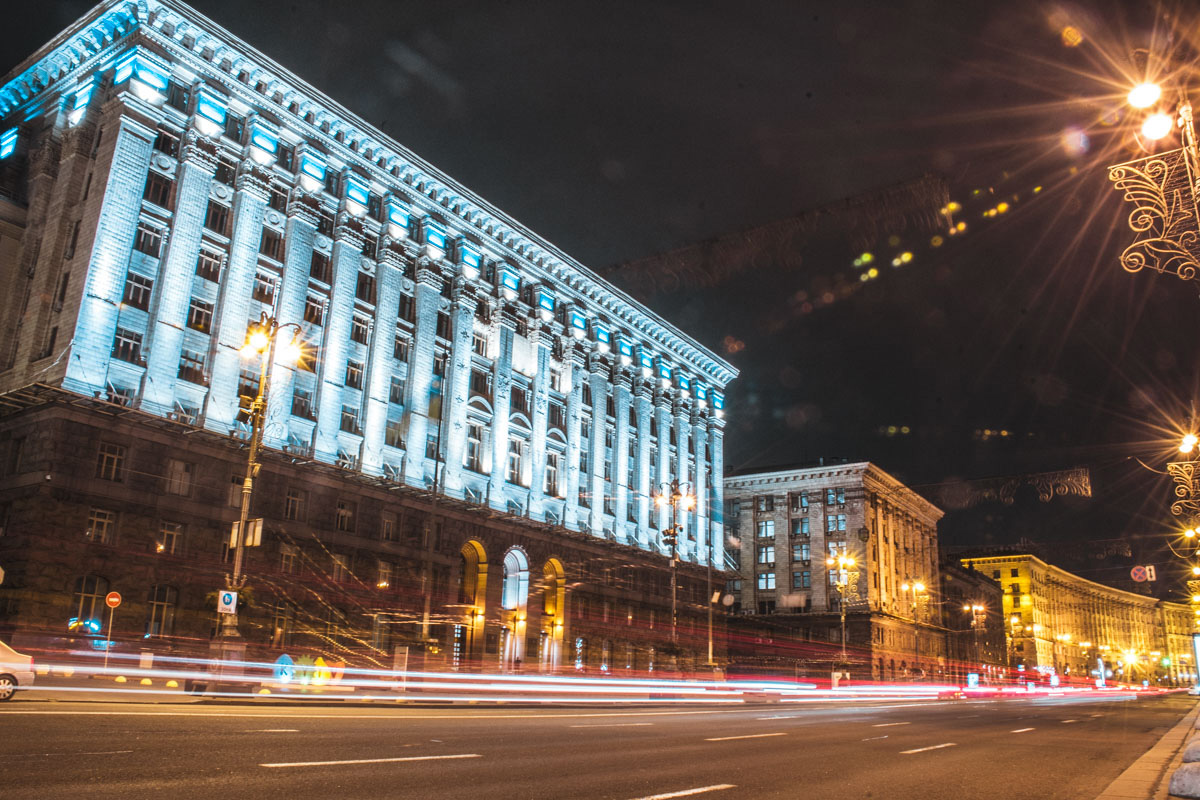
The photo shows Khreshchatyk in the evening, Kyiv, Ukraine. Photo: Andriy Shmato
In the absence of a system that would determine the general aesthetics and character of urban spaces precisely in terms of lighting, this issue is often left to the discretion of developers, entrepreneurs and architects. In general, according to Oleksandr, the complexity of the issue with the light design code of Ukrainian cities is that there are incomparably fewer people who are aware of its importance and necessity than those for whom this issue seems too superficial and less significant than, for example, a spectacular illumination of its own establishment in the city center.
"On the one hand, there are the above-mentioned norms regarding brightness. On the other hand — the vision of an architect or designer — Oleksandr shares his observations. — But since we do not have a state-regulated design code for urban spaces, a designer can at any time afford to illuminate the facade of a store or institution with some powerful purple light in the very center of the city. And if we were in the old center of Vienna or Budapest, where there is a strict rationing of warm neutral lighting in historical areas, it would not be possible. But this will be allowed in our country, because this issue is not regulated in any way. Therefore, the responsibility for such decisions falls entirely on the owner himself and the architect or designer hired by him, and we can only hope for their ability to work with colored light in public spaces each time."
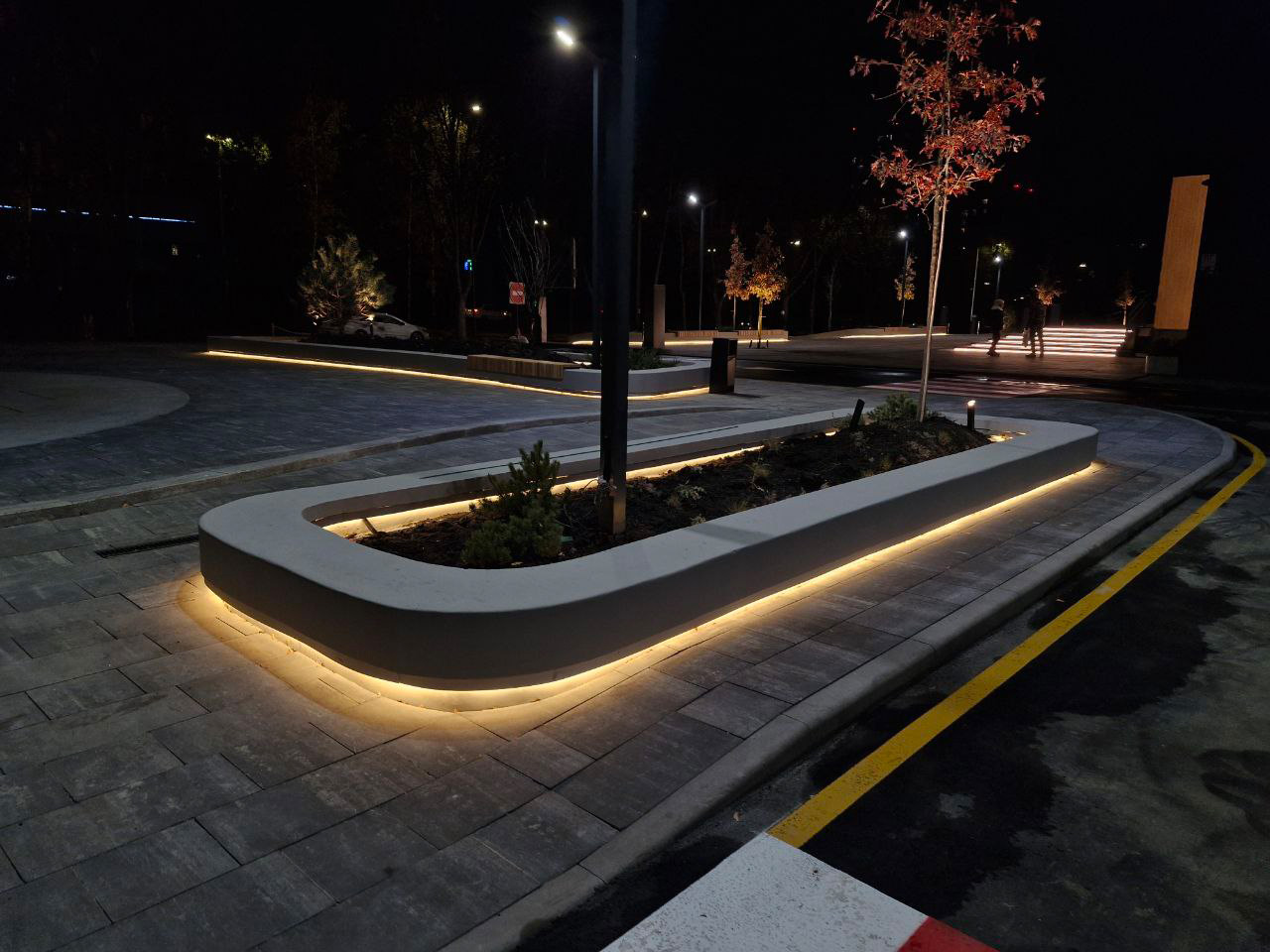
Lighting of the surrounding area near the new VIYAR showroom in Kyiv. The authors of the lighting project are the LOFU company
Summarizing his thoughts on the light design code as a phenomenon, Oleksandr notes that the most vivid example of unified lighting in large areas are cottage towns, because these are large-scale projects that are developed from scratch as a single housing solution, and accordingly, every aspect of such a project has a clear systematicity. that was formulated, approved and implemented by a certain group of specialists.
So how are things at Arsenal?
If we rely on the comments of Oleksandr Maksimov, we can conclude that such a formulated concept as a lighting design code still does not exist in Ukrainian cities — the norms exist by themselves and determine only the technical characteristics of street lighting, while decisions about the aesthetics and visual integrity of urban of space are accepted privately while working with individual projects. However, the fact that the initiative is actually private often means that there is more space for the author's interpretation - sometimes ambitious and remarkably successful. A vivid example of such implementation is the renovation project of part of the territory of the Arsenal plant, as well as the territory adjacent to the Arsenalna metro station.
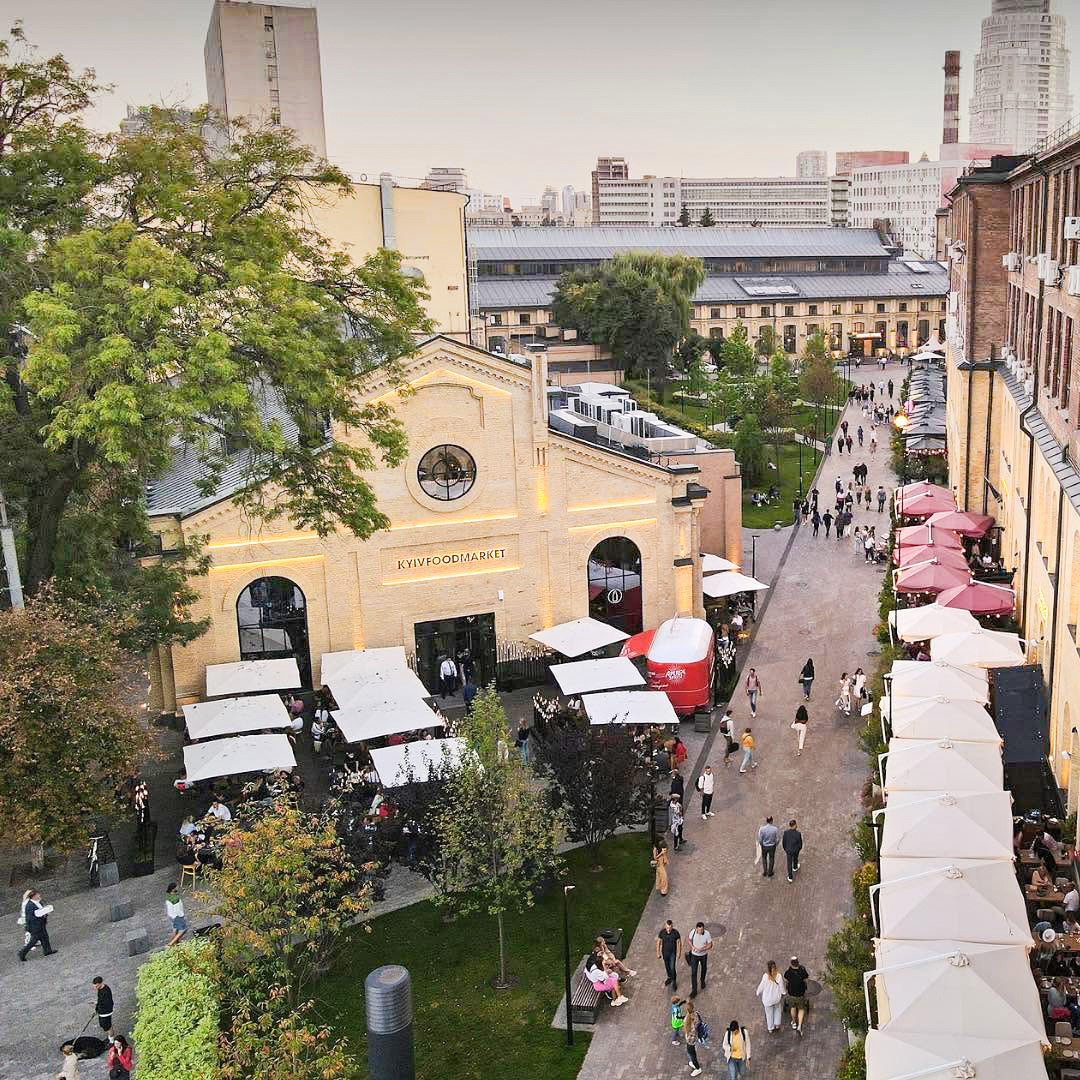
View of the 5th building of A-Station, where Kyiv Food Market is now located. Photo courtesy of A Development
The fact that the initiative is private often means that there is more space for the author's interpretation - sometimes ambitious and remarkably successful
A-Station is now a large-scale and iconic landmark for the city. The project was developed and implemented by the A Development team, and currently four architectural monuments of local and one monument of national significance have been restored within its framework. Creative States, Kyiv Food Market, Osvitoria and fudzons were located in the buildings of the mid-19th and early 20th centuries, and a green courtyard was arranged between them.
"A-Station is the start of a new city, a new formation of citizens, new projects within the walls with a rich history", — A Development
"Located in the very heart of the capital, a former industrial zone and an abandoned military commandant's office, morally obsolete for a long time, have become a modern urban cluster, worthy of the attention of the most demanding urban planners, thanks to redevelopment," writes the A Development company on the project's page.
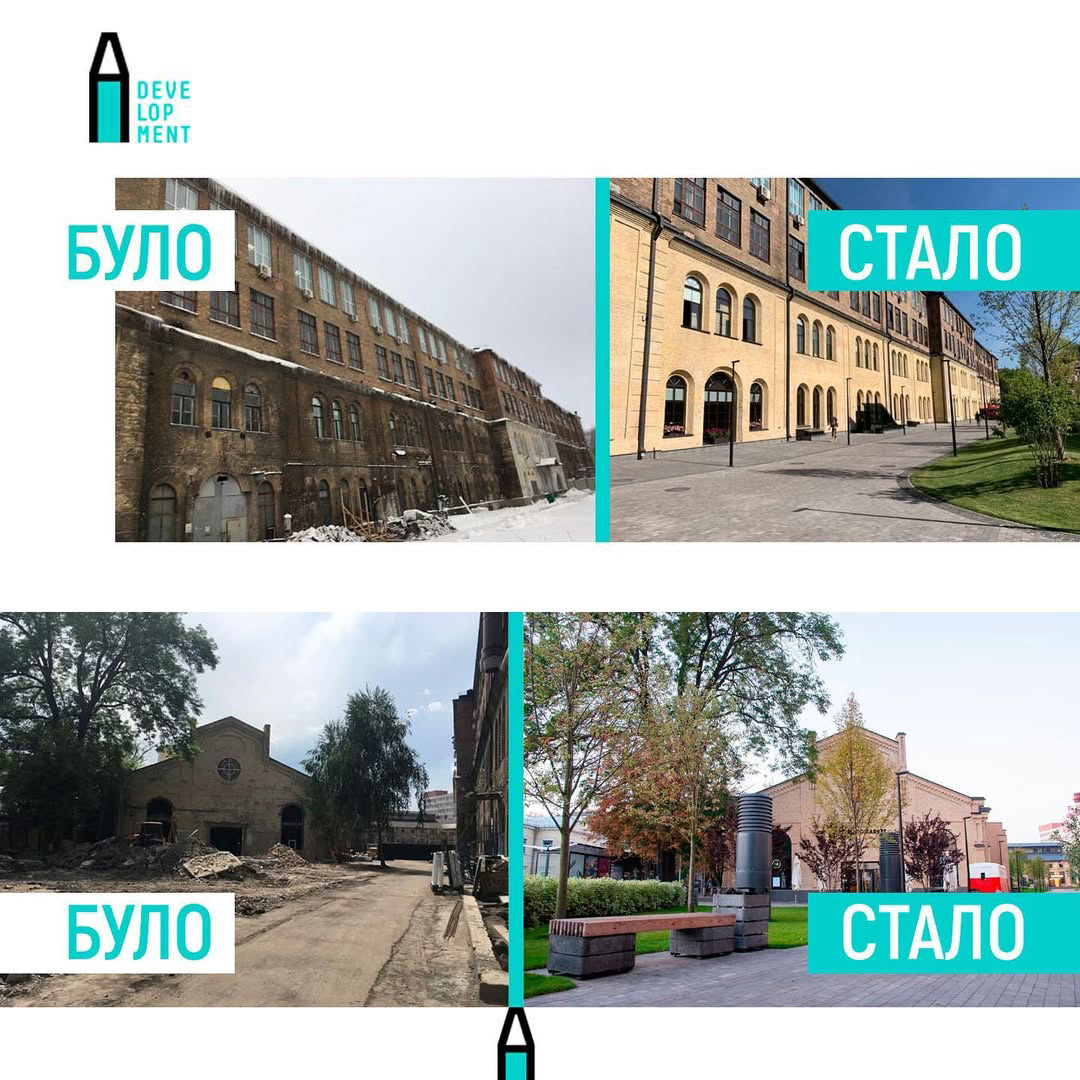
Photo before and after renovation, comparative collage. Image courtesy of A Development
We also spoke with Julia Polyukhovich, the chief architect of A-Station. She shared her memories of the condition the location was in before the renovation and the metamorphosis it has undergone since then.
"Before the renovation, it was an old abandoned factory - an abandoned building, in the premises of which machines were still standing in some places," recalls Yulia. — The condition of the building was terrible, and given its location in the very center of the capital, the site was in dire need of attention. Our team saw great potential in this project.

Yuliya Polyukhovich, chief architect of the A-Station project
The result exceeded our expectations. With the A-Station project, we opened up a whole location for people: Arsenalna became a kind of attraction magnet for Kyiv residents and guests of the city, a kind of connecting link connecting Khreshchatyk, Mariinka and Hill of Glory. This is one of the most traditional routes of a walk through the capital center that you can imagine: go to the Maidan and from there go to the Motherland. Looking at how A-Station organically blended into this route and added to its appeal, the team and I are frankly proud."

"With the A-Station project, we have opened up a whole location to people: Arsenalna has become a kind of magnet of attraction for Kyiv residents and guests of the city," says the chief architect of the A-Station project Yuliya Polyukhovich. Photo courtesy of A Development
"Light should emphasize architecture, and not stand out against its background as the main accent," - Yuliya Polyukhovich
Yulia also says that the A-Station project includes a whole philosophy of working with light, which includes the vision of the complex in general, as well as the distribution of visual accents on its territory in such a way that the entire location is balanced and multifaceted. "In our opinion, light should emphasize architecture, and not stand out against its background as the main accent," says the architect. According to her, it is with this philosophy that all decisions regarding lighting on the territory of the complex are still consistent: for example, when the owner of one of the establishments wants to additionally illuminate the entrance to the restaurant, it is brought up for discussion with the A Development team as the authors of the project.
Oleksandr Maksimov notes that this is not only a multifunctional location and a good example of the renovation of a historical building in the center of the capital. In his opinion, what the A Development team realized at Arsenal is perhaps the most striking example of the structural application of the design code, in particular the lighting code, in the urban space. This is an ambitious multi-functional project with a considerable area, and lighting plays an equally important role here.
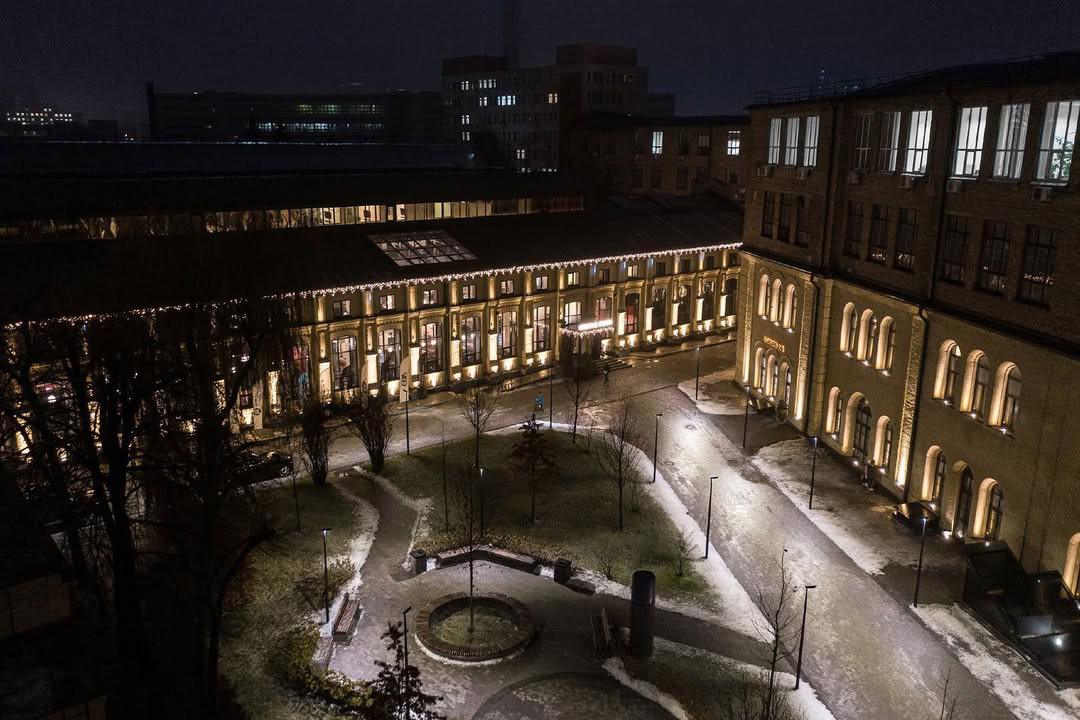
Photo courtesy of A Development
"What the A Development team implemented on Arsenalnaya is perhaps the most vivid example of the structural application of the design code, in particular the lighting code, in the urban space," Oleksandr Maksymov
“We can see how the team paid attention to make this light different: front, main, accent, etc. It is diverse, and each type of lighting performs its unique task, leaving no blind spots on the project territory. This is a definite plus in the lighting design of A-Station, — Oleksandr notes. — All the facades of the buildings are illuminated in the same way — the architecture is accented in a single style, in a single temperature of light, and in the dark time of the day we see that these are buildings of the same ensemble. Warm light very successfully emphasizes the character of the original architecture, does not "pull the blanket" of attention away from the texture of the facades - on the contrary, it highlights their authenticity and the historical background of the location in general."
About concessions and enthusiasm
Oleksandr Maksimov draws attention to the fact that the A-Station project is large-scale and multifunctional, and due to the variety of lighting solutions, it is important not only to implement each of them individually, but also to coordinate different types of lighting with each other. So, according to Oleksandr, the project includes both successful solutions and those that may cause some discomfort to a person who is on location in the evening. In particular, the founder of LOFU talks about the general lighting of footpaths.
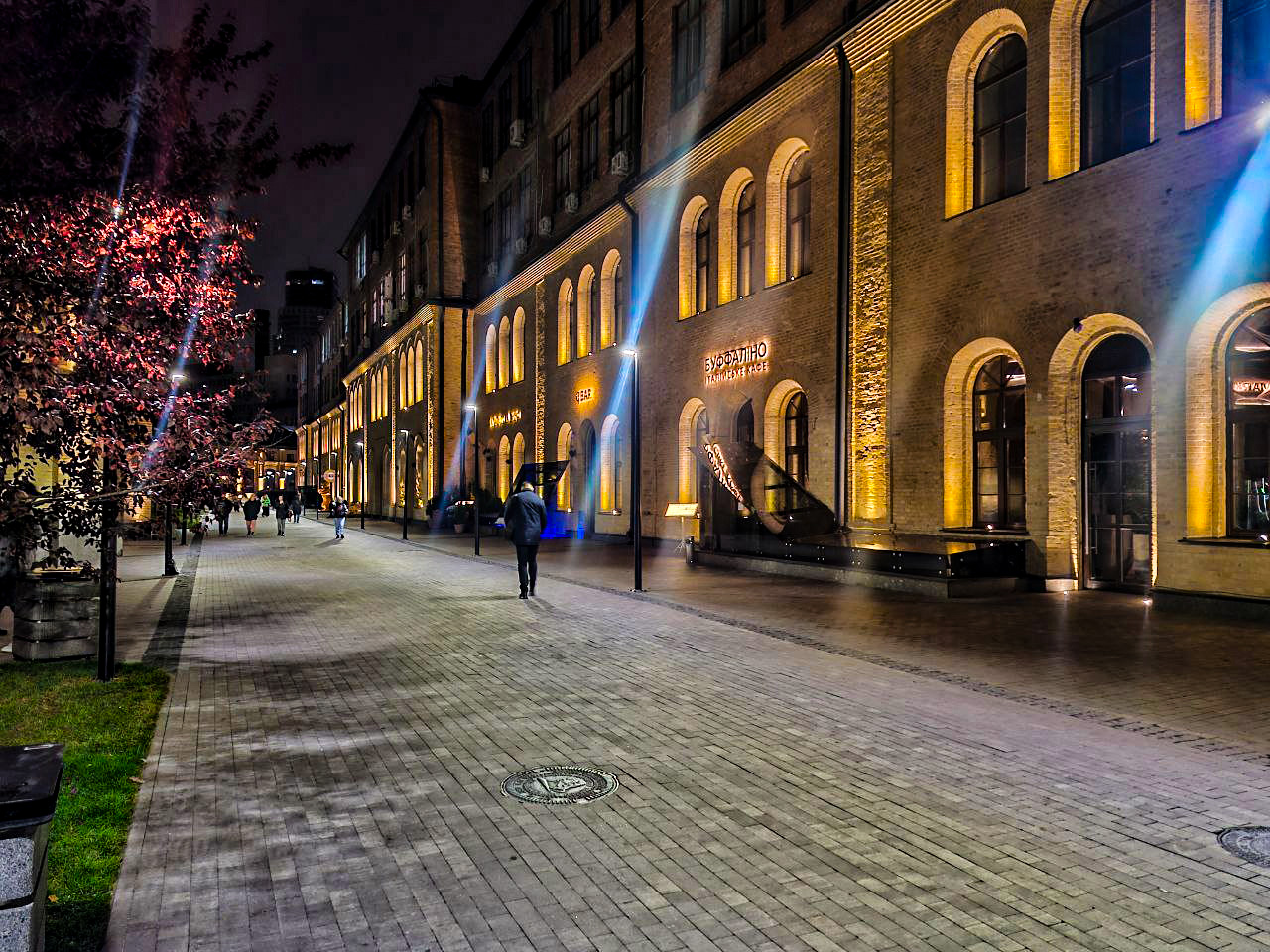
Photo provided by Oleksandr Maksymov
"Too bright dominant lighting of the pedestrian zone harms the active first floor, where the establishments are located: people do not want to come to you, because they simply do not see you, because the lighting of the paths intuitively encourages them to look under their feet." — Oleksandr Maksymov
"Against the background of such bright white light, both the facades and the active first floor are visually lost," Oleksandr notes. — From the side, it looks like something that will clearly not benefit the same institutions: people do not want to come to you, because they simply do not see you, because the lighting of the paths intuitively encourages them to look under their feet. It is not even a question of the distance between the pillars that causes such abundant lighting - mostly the lantern dazzles and illuminates due to an incorrectly selected lens. It is uncomfortable for you to raise your eyes one more time, because a spotlight shines on you from above - directed, without proper dispersion. In general, one gets the impression, given the expertise of the team, that this could not have been a deliberate decision. It is almost certain that this is the result of technical limitations that arose already in the process of selecting devices and implementation, or simply involving several different contractors.
It is easy to criticize, but we aim not only to point out the shortcomings, but also to analyze alternative ways of solving the problem. In this case, given the commercial nature of the complex, the lighting scenario of the pedestrian area would be perceived more organically, if the upper light were made more muted, the brightness was reduced to 10–15 lux with a warmer shade, and the main illumination of the paths was provided at the level of the feet, so that it didn't hit me in the eye."
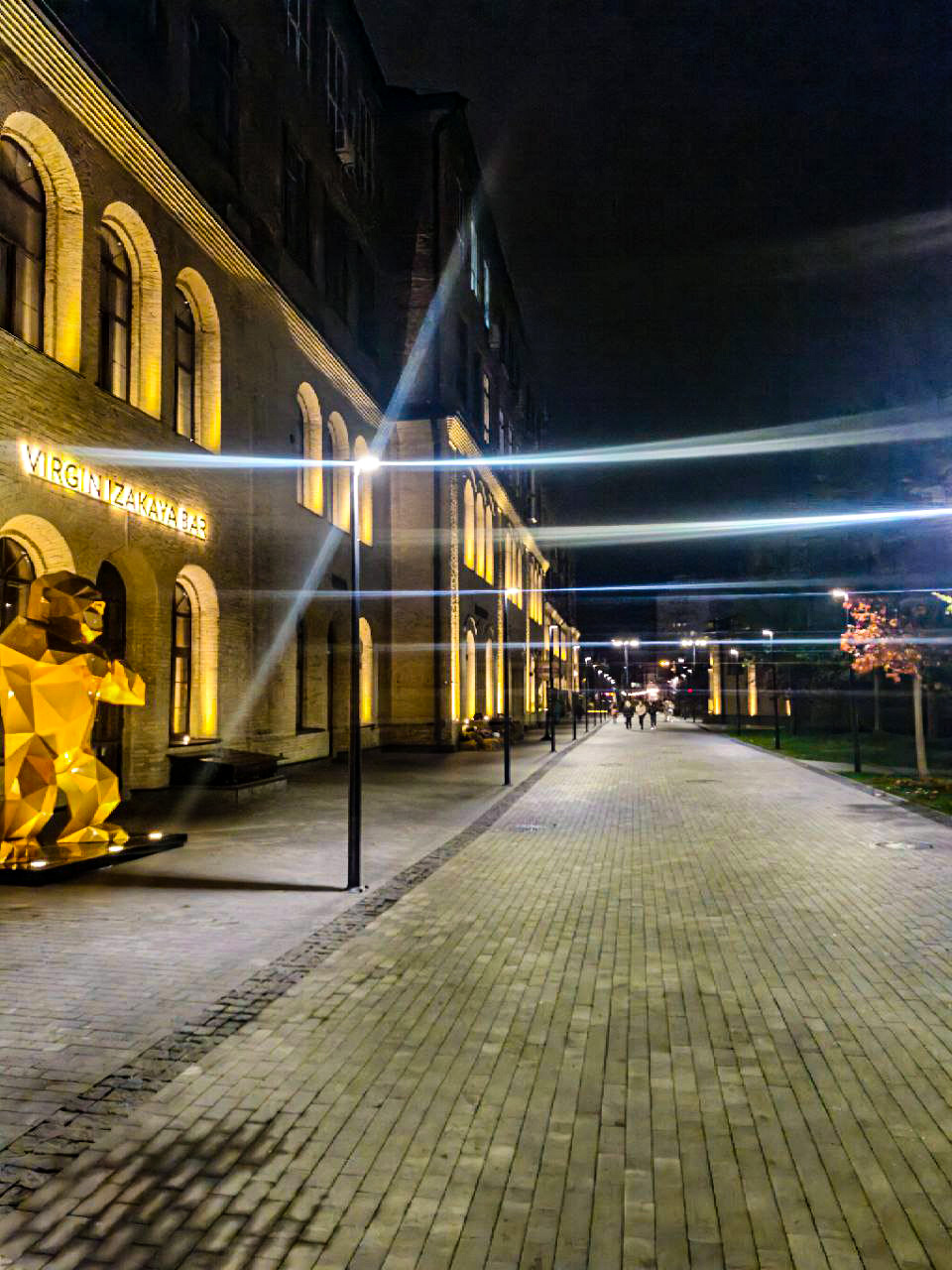
"Against the background of such bright white light, both the facades and the active first floor are visually lost," Oleksandr Maksimov
Yulia Polyukhovich also mentions the process of developing general lighting for the pedestrian zone at the project location. The architect notes that the factors of the specificity of the space and property rights — and, therefore, the spectrum of possibilities for working with this or that zone — played a significant role.
"If we talk about the lighting of the pedestrian zone on the territory of A-Station, here we were primarily dealing with a public space through which a large number of people pass every evening. Accordingly, these tracks should be well lit so that the narrow space of the location is safe and visible, says Yulia. - It is also worth noting that this is literally the meeting point of the territory, where we are free in our architectural design, with the territory that belongs to the city and represents it. That is why it is subject to more clear restrictions of normative construction legislation. Arsenal Square, as we mentioned earlier, is an important metropolitan landmark that complements the "portrait" of the historical center.
Due to the restrictions and norms that apply to such significant locations, the nature of the light in the green yard area was determined, because in fact this yard is a public area on the territory that is not leased, but instead belongs to the city and its citizens. This contrast catches the eye, because the architectural and green components of the project form a single ensemble: you will not see a fence that signals the transition from one to the other, because we created a barrier-free space. Therefore, visually, this border has a difference in the brightness of the author's lighting of the factory buildings, institutions placed by us on the location of art objects and, in fact, pedestrian paths, which are lit according to the norms dictated by the law."
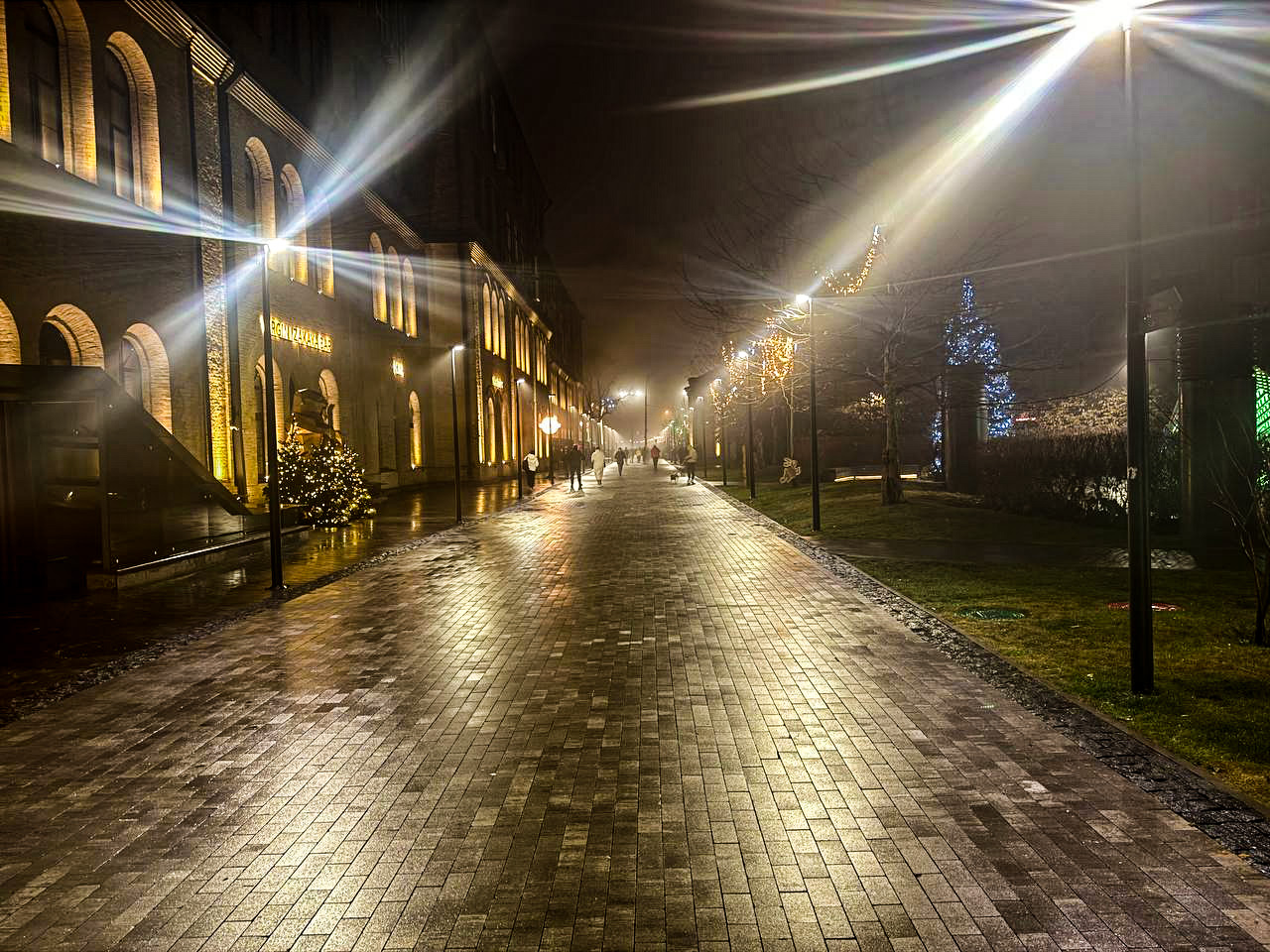
Photo provided by Yuliya Polyukhovich
Indeed, according to the building regulations for natural and artificial lighting (DBN B 2.5-28:2018), which were guided by the A Development team, the lighting in the squares of the capital center and in the areas of the city-wide dominants has an incomparably higher standard of brightness. And the A-Station pedestrian zone and the territory of Arsenalna Square near Mykylska Gate fall under this category due to their location and importance in the urban fabric of Kyiv.
The landscaping of the green courtyard and Arsenal Square near the metro station was carried out enthusiastically by the A Development team, in the name of the architectural integrity of the large-scale project it was dealing with
Yuliya Polyukhovich notes: the architects wanted to create a modern, aesthetic and visually balanced space, so they were ready to work for this idea, in particular, with areas tangential to the location. "When you do something with enthusiasm, be ready to make concessions. In our case, the concessions were just like that," says Yulia.

A Development architects wanted to create a modern, aesthetic and visually balanced space, so they were ready to work, in particular, with tangential areas for the sake of this idea. Photo: avg.world
Lighting and lighting
One of the hallmarks of the A-Station location is, in fact, the restored architectural ensemble consisting of the buildings of the Arsenal plant and the Mykylska Gate. If we try to imagine Arsenalna in the dark, the first thing that will appear before our eyes is the textured facades of the historical buildings, illuminated by warm light. Architectural lighting plays a significant role in the overall picture of the location, and the team of authors of the project made considerable efforts to realize this aspect of the lighting design code of A-Station while respecting the original buildings of the complex.
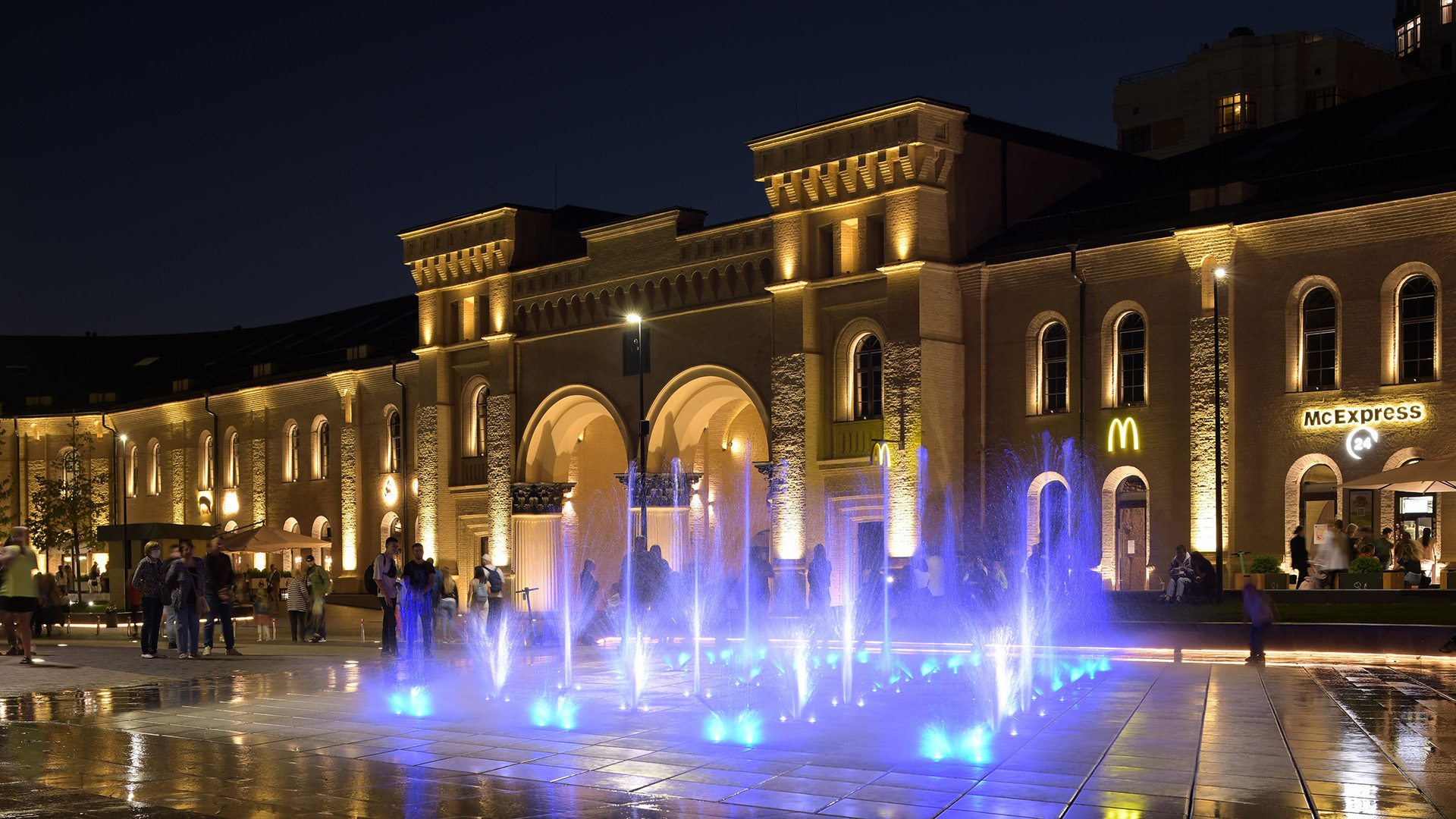
On the photo is the Mykyl Gate on Arsenal Square after renovation as part of the A-Station project. Photo: avg.world
"We set ourselves the goal, as much as possible, not to interfere with the original architectural design - only to breathe new life into the factory building", - Yuliya Polyukhovich
"In the project, it was important for us to emphasize the authentic texture of the buildings, but to do it succinctly," notes Yuliya Polyukhovich. — If you look at the facades during the day, you won't see any lighting devices. We mounted them in such a way that the very structures of the lamps are hidden in the metal castings under the windows, in the seams and joints of the relief of the buildings and are not visible to the naked eye - yes, only the warm light that comes from them and outlines the three-dimensional texture of the facades remains visible in the dark."
According to Yulia, light is one of the key tools in working with architecture, especially when it is a project of renovation of historical buildings. During half of the year in our latitudes, it is mostly dark, the daylight hours are quite short, and in general, evenings are an active time for relaxation for many people - after work and on weekends. Therefore, how the architecture "works" in the evening, how it is illuminated and stands out against the dark background, according to the architect, is a very important criterion for the building's interaction with the citizens.
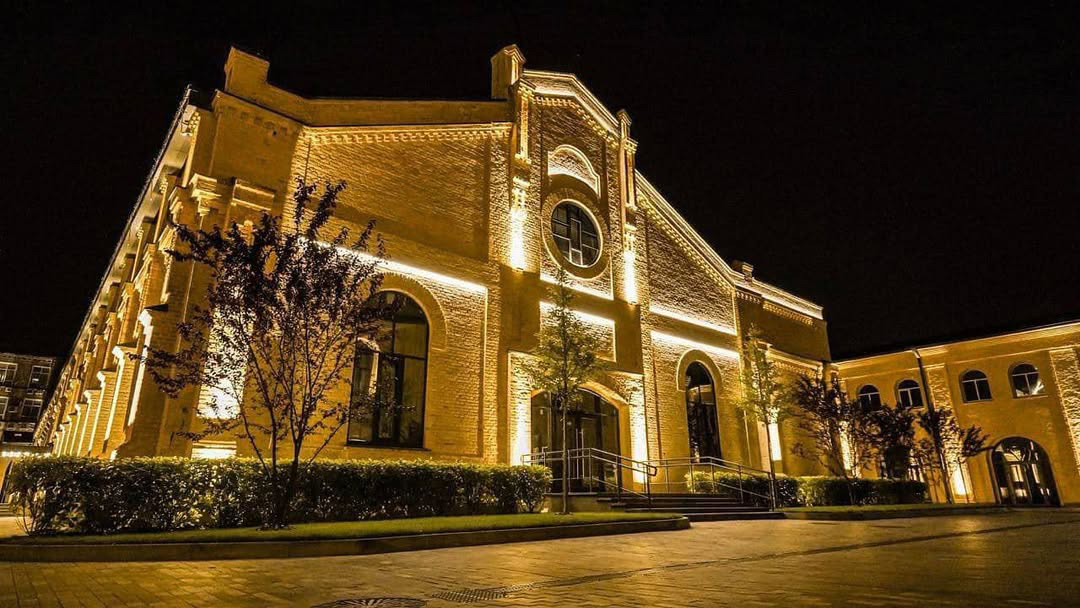
According to Yulia Polyukhovich, light is one of the key tools in working with architecture, especially when it is a project of renovation of historical buildings. Photo courtesy of A Development
Oleksandr Maksimov also agrees with Yulia. In his opinion, in renovation projects of already existing structures, lighting carries an honest 90% of the project's success.
"All the facades of the A-Station buildings are illuminated in the same way - the architecture is accentuated in a single style, in a single light temperature, and in the dark time of the day we see that these are buildings of the same ensemble," Oleksandr says. — Warm light very successfully emphasizes the character of the original architecture, does not distract attention from the texture of the facades — on the contrary, highlights their authenticity and the historical background of the location in general.
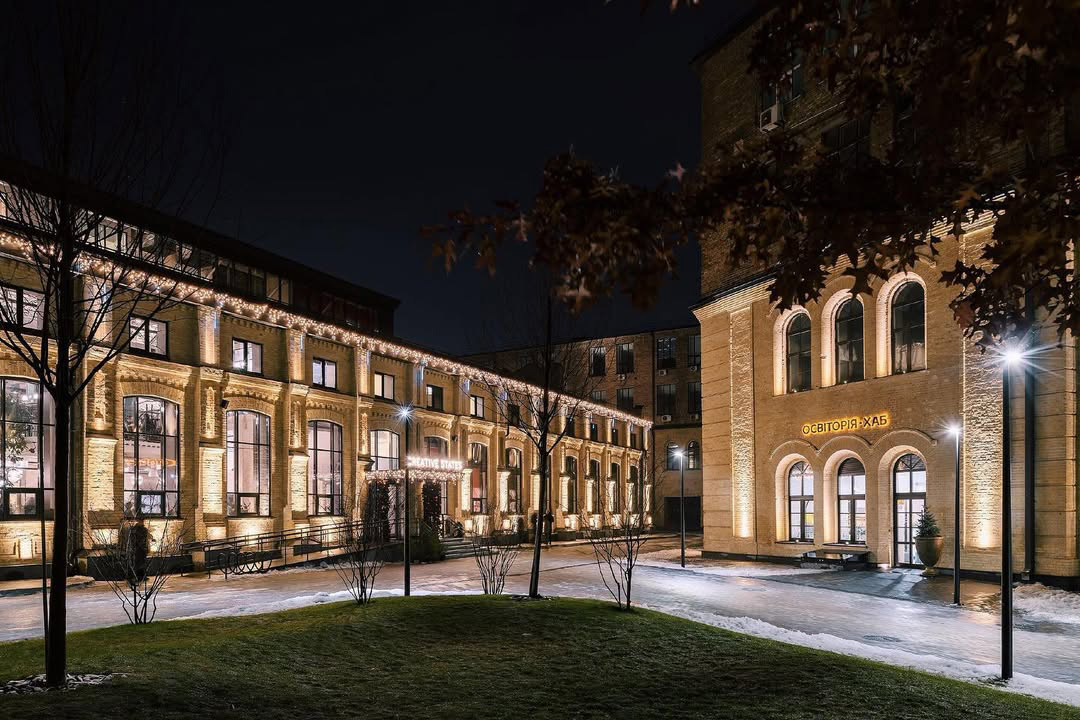
Photo courtesy of A Development
"It is one thing to restore the original texture of the building, its masonry, stucco, etc. It is quite another thing to emphasize it competently," — Oleksandr Maksimov
The light itself crystallizes the restored building in the urban fabric of the city, visually breathes new life into it. And in the project of renovation of the "Arsenal" plant, the A Development team illustrates this idea perfectly. The lighting of building facades organically interacts with their architecture, does not "interrupt" it, but on the contrary, emphasizes it - exactly as it should be."
The subtle art of accentuation
Similarly, an integral element of the visual concept of A-Station is the interaction of the historical with the modern. On the territory of the complex, this decision is implemented through sculptures and art objects that complement the green space of the pedestrian zone. According to Yulia Polyukhovych, it was important for the team to present these elements as contrastingly as possible against the background of the historical building, its neutral color scheme and warm lighting.
On the territory of A-Station, metal chrome sculptures have a colored backlight and generally perform an accent function - as a reminder of the presence of the present in this historical location
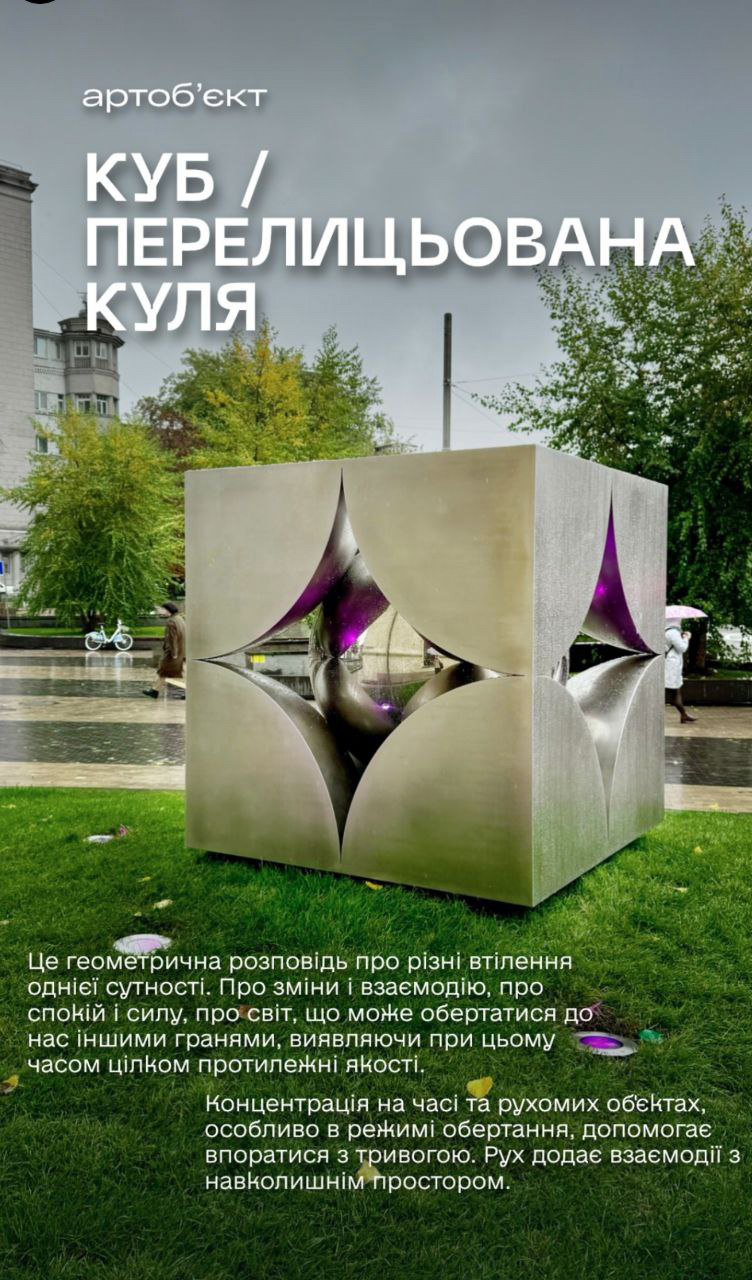
The sculpture "Cube/Faced Sphere", co-authored by Tetyana Pavlyshyn-Svyatun and Oleg Pinchuk
"It would be logically wrong to illuminate the historical and modern elements of the location with one light. If we work with restored facades, yes, this is static warm contour lighting. However, if we place a futuristic metal sculpture on its background, it should stand out and be highlighted with an accent color. If we choose to play on the contrast, it should be done with enthusiasm, without half measures. And, in my opinion, such modern decisions in historical contexts are a kind of evidence that the present is not a part of history — instead, it is its addition and organic continuation," emphasizes Yulia.
In the yard of A-Station, there are sculptures by such modern artists as Oleg Pinchuk (sculpture "Trident"), Oleksiy Zolotaryov (sculpture "Event Horizon"), Yehor Zigura (sculpture "First Drop") and Tetyana Pavlyshyn-Svyatun (sculpture "Cube/ Faced Bullet" co-authored with Oleg Pinchuk). Also, in addition to the objects of individual artists, the composition "Union" by the Kharkiv Metalstyle workshop is located on the territory of the complex.
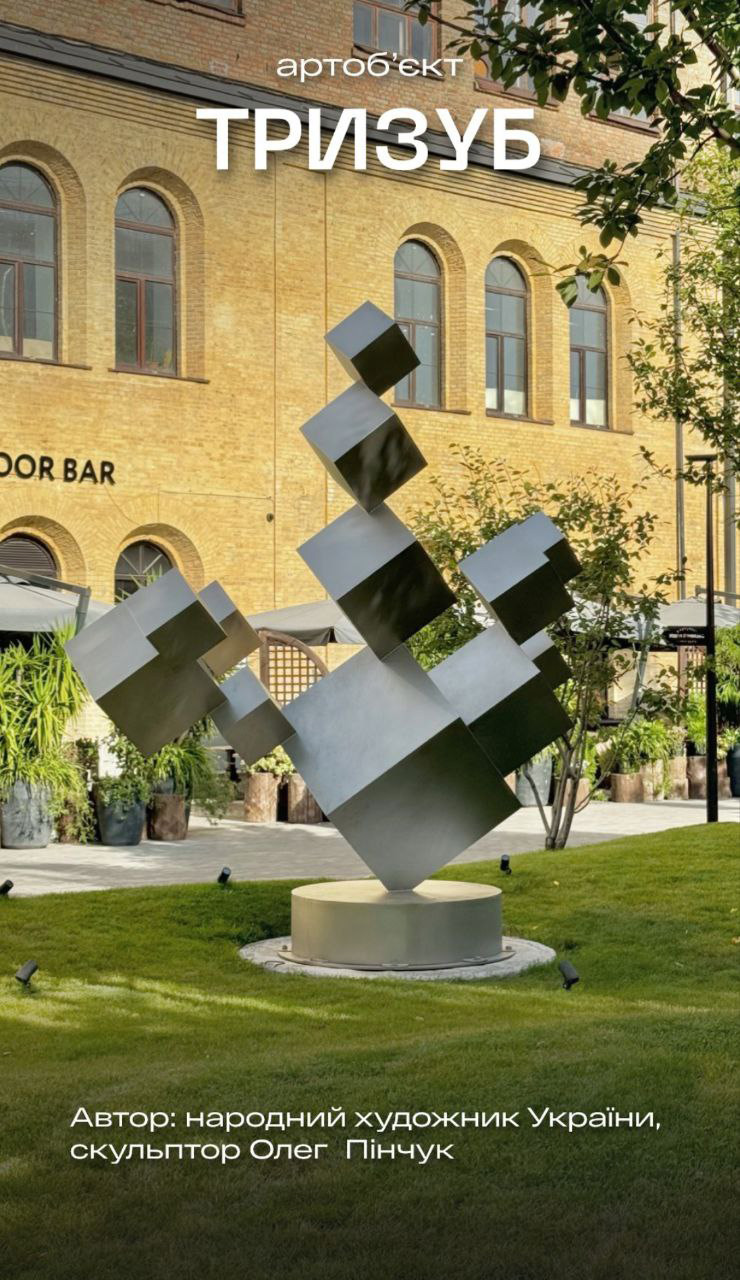
The sculpture "Trident", the author is Oleg Pinchuk
Speaking about the illumination of art objects on the territory of the complex, Oleksandr Maksimov refers us to the general lighting lanterns he mentioned earlier: "In itself, the idea of supplementing the space of A-Station with sculptures and art objects is interesting, and in such cases you should be very careful as to the calculations of light characteristics, and to the placement of the objects themselves. If at least one of these criteria has a serious error, it leads to the so-called light pollution of the space. An incorrectly placed and illuminated art object does not add diversity to the location - instead, it chaotically shifts the focal points, appears in the space as superfluous, inappropriate, in such a way that it overloads the space. If we are dealing with a visual accent, it should stand out accordingly due to the brightness of the lighting. In the same case, the previously mentioned lanterns along the paths compete with the colored lighting of the sculptures. If they were higher or lower, it would not appear to be a conventional opposition of two light sources. However, at this height of the lanterns relative to the sculptures, it looks exactly like this."
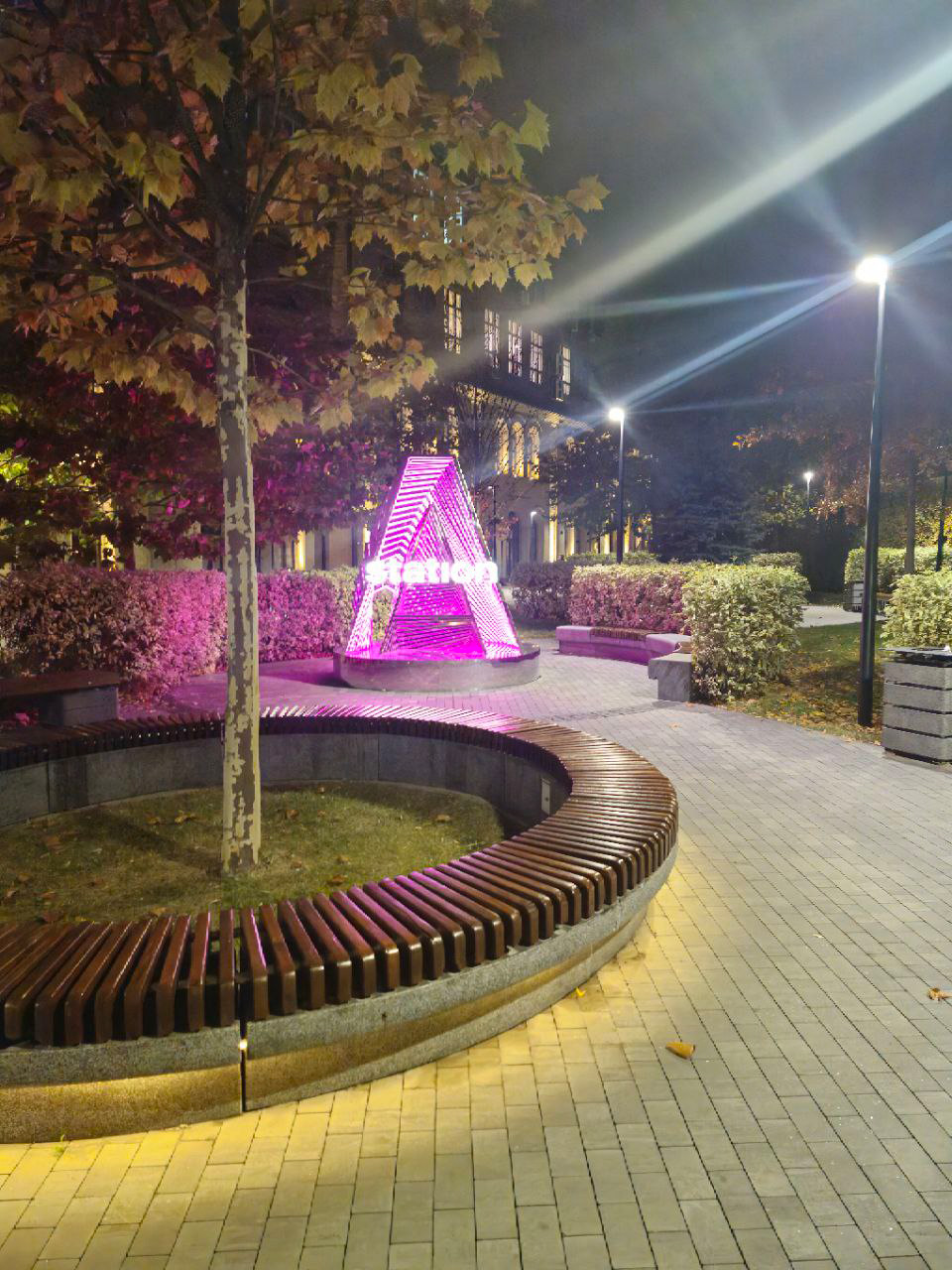
"If we are dealing with a visual accent, it should stand out accordingly due to the brightness of the lighting," Oleksandr Maksimov. Photo provided by Oleksandr Maksymov
According to Oleksandr Maksimov, overly bright overhead light does not just illuminate the space - it "levels" it
"When you walk down Arsenal in the evening, you feel like you're going to work, because the space around you is bright and uniformly lit," the founder of LOFU thinks. Thus, those accents that should attract the eye are lost in this light and no longer make the desired impression. In Oleksandr's opinion, this is a pity, because the landscape green patch on the territory of A-Station has a lot of potential - with the adjusted light scenario, this location could have an interesting and voluminous appearance in the evening, compared to the daytime.
"If we simulate a situation where this "authoritarian" upper light is absent, we want more emphasis on landscape details. This is my subjective opinion, but I still really miss the lighting of green areas. What is missing is not general lighting, but lighting that would bring smaller accents into view and emphasize the attractiveness and variety of the location precisely at the expense of such small-scale elements," sums up Oleksandr Maksymov.
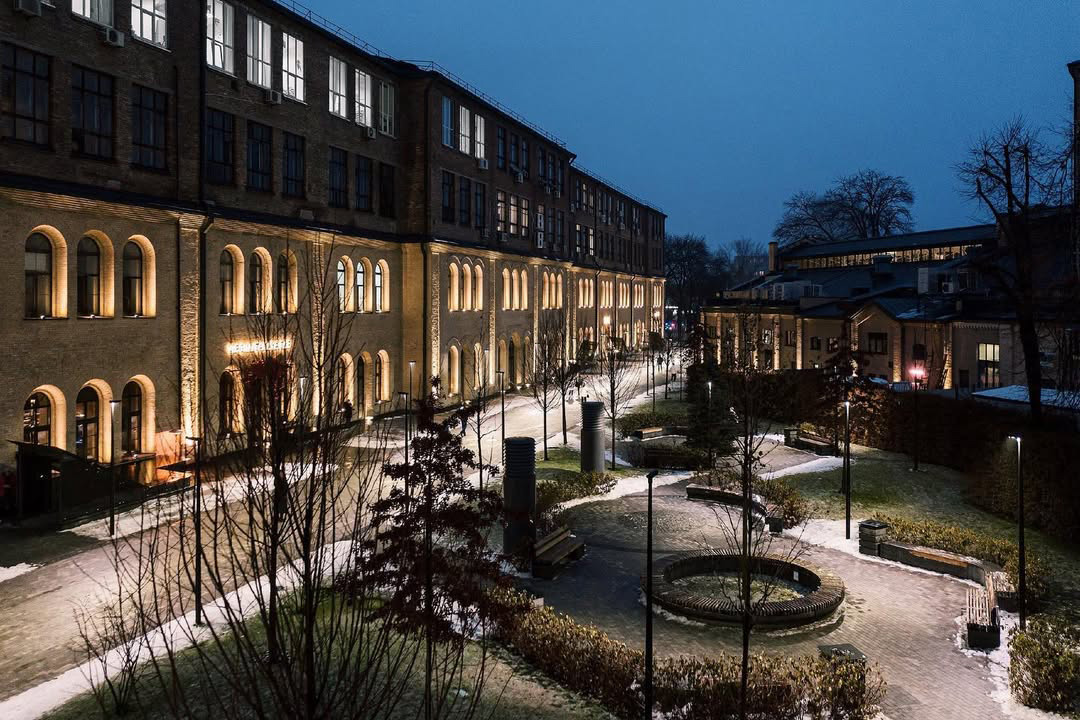
Photo courtesy of A Development
Looking back at the already implemented project, Yuliya notes that perhaps the team would have really tried to make some changes to the general lighting system at A-Station - given the experience already available and the amendments to the legislative norms that have been introduced since then. The architect, as well as Oleksandr Maksimov, notes the potential of the idea to "move" the lighting down: for example, dim the overhead lights, and put the main lighting on the benches. However, if we talk about the project in general, Yuliya and Oleksandr in one voice note the importance of this new landmark on the map of Kyiv and the success of this ambitious project, which has successfully passed the test of years of interaction with the citizens.