


For us, the future is a dream that we dream seriously - enough to spend our lives on it!
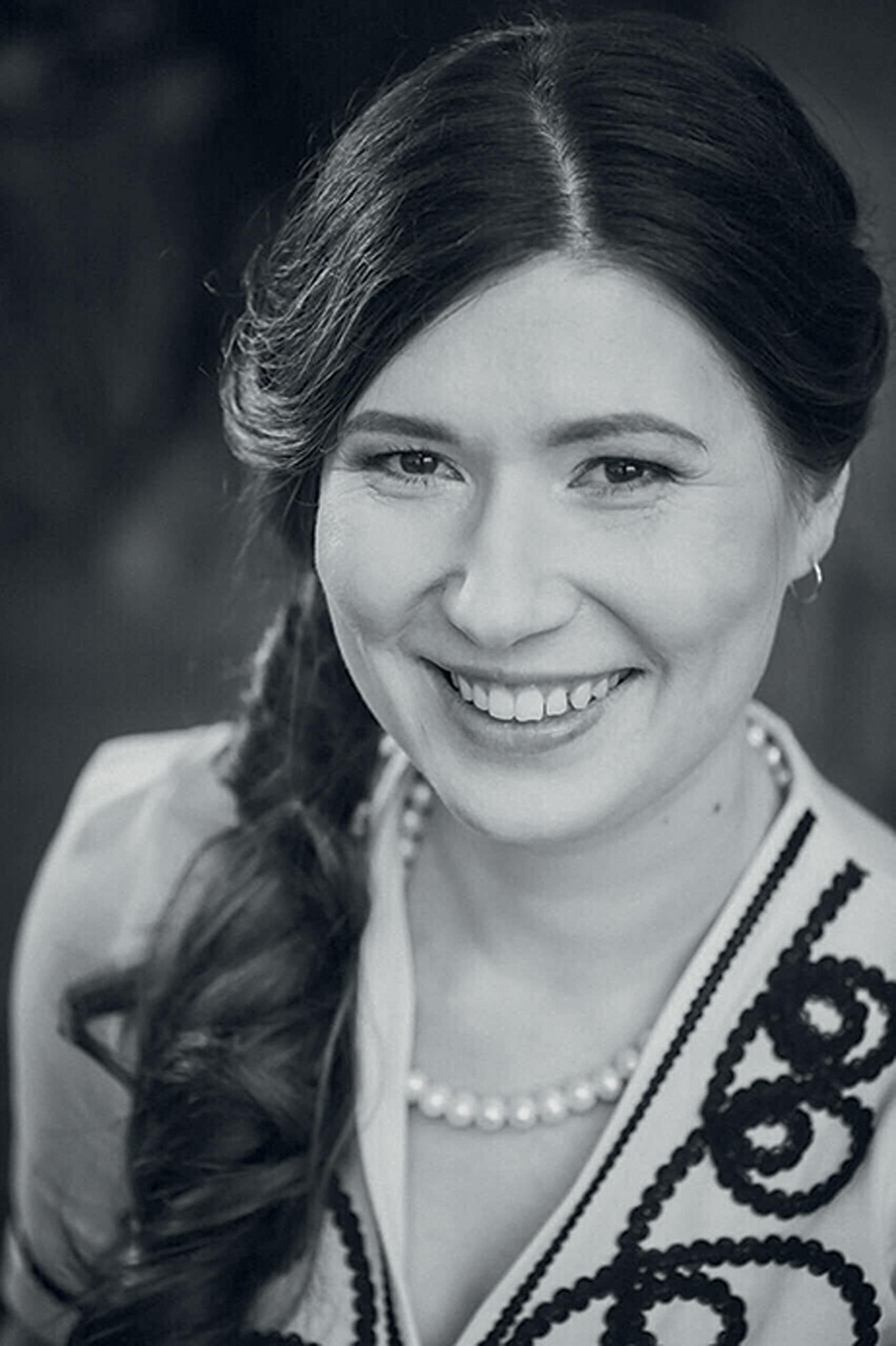
Olga Chernova, chief project architect of the archimatika company
What are we dreaming about?
With the exception of a few narrow-minded techno-dreamers, most of us dream not about technological breakthroughs, but about living in prosperity and harmony. And by the way, if you look at the places where successful pioneers of revolutionary technologies live, who receive as a reward funds for the realization of their personal housing dreams, there, again, there is much more desire for well-being and harmony than technological declarations!
And yet, what dream am I ready to spend my architectural and professional life on? This is how I would paraphrase the question about how I see the architecture of the future. Am I ready to spend my life in search of new architecture? Do you need a new one? What inspires me more? The appearance of a new creature, artificially bred thanks to the success of genetic engineering, or, for example, the return of dolphins, which we were so happy about during the quarantine?
If dolphins inspire more, why new architecture?
I need new architecture not as a revolutionary breakthrough, not as the opening of a new space of possibilities. There are plenty of them, and that is until you put your brain in a cage of clichés and templates. Innovation is necessary rather like the hygiene of creativity: to invent independently, not to repeat, not to replace the art of architecture by binding it to solutions invented by someone else and for other cases.

Photo: Matt Reames on Unsplash
In my opinion, when thinking about the future of architecture today, it is worth replacing the emphasis on technologies inherited from the industrial era with an emphasis on the quality of the result. Technologies of the XNUMXth century they helped architects of the XNUMXth century, technologies of the XNUMXst century. architects of the XNUMXst century help to implement projects. But just as most of us (with the exception of highly specialized researchers) are indifferent to the technologies of the Middle Ages (we just like Venice), the architects of the future will be indifferent to our technologies. It is interesting, what results of our actions will we leave them as a legacy?
Fearless future
I want to see the architecture of the future fearless: often the search for something new (and not only in architecture) is fueled by the energy of social fears, ignited by alarmists and alarmists. Theories are built on these fears, studies are piled up, technologies are developed, and, finally, a lot of money is spent on the implementation of big plans. But then, over time, the fear passes! And it is not clear why so many resources were spent. Everything based on fear is unstable. Why do we note that all outstanding people — and architects, and inventors, and politicians who have really accomplished something worthwhile — are fearless? Because being guided by fear, you won't do anything worthwhile! Maybe it will spoil the achievements of others.
In the last decade, the focus of architectural relevance has been on public, public and shared space. Space for everyone, not just for an individual. There was even a global hope that co-working spaces, co-working spaces and other sharing structures would eventually replace the private sector almost completely!
But when the fear of an understudied coronavirus put people under house arrest, that is, closed them in private spaces for months, the border between the private and the public, which had been blurring in recent years, appeared again with the objectivity of prison bars.

Photo: Matt Reames on Unsplash
However, I do not believe that the coronavirus factor will have a long-term systemic impact on architecture: the reason for the global lockdown, in my opinion, is not in the virus itself, but in the choice of methods of combating it. The reason is that in the XXI century. we began to fight the epidemic with the methods of the 40th century. Quarantine was invented in Venice in the XNUMXth century, when they began to leave arriving ships on a raid for XNUMX days so that sailors would not bring plague or smallpox into the city. When there are no tests, no smartphones, no Big Data analytics, no studies on how the virus spreads - yes, putting everyone in quarantine - the only effective method! But in the XXI century. using smartphone signals, it is possible to track the movements of an infected person, identify contacts that had a risky duration and distance for infection, and conduct testing of those who fell into the risk group. And there is no need to keep healthy people under house arrest for months, and there is no need for any social distancing! I am sure that the new digital methods of identifying and isolating infected patients will soon permanently consign global quarantine and all concepts of social distancing to the shelf of historical curiosities (but you still have to wash your hands). And consequently, the tendency to improve the quality of public spaces will resume.
Nobility as a criterion
Returning to the project of the future: the main quality that, in my opinion, architecture should bring to people (by the way, not only public, but also private spaces) is nobility. If architecture is a social exoskeleton that serves as a support for a public organization, then it must keep its posture!
A ballet teacher recently praised my four-year-old daughter with the words: "Alena got legs, arms and back." Roads, parks, squares, houses should appear in our cities like this! Not because they did not physically exist before this - they existed utilitarian-functionally and legally according to cadastres, but aesthetically, architecturally - they did not. Because they lacked aesthetics and architecture.
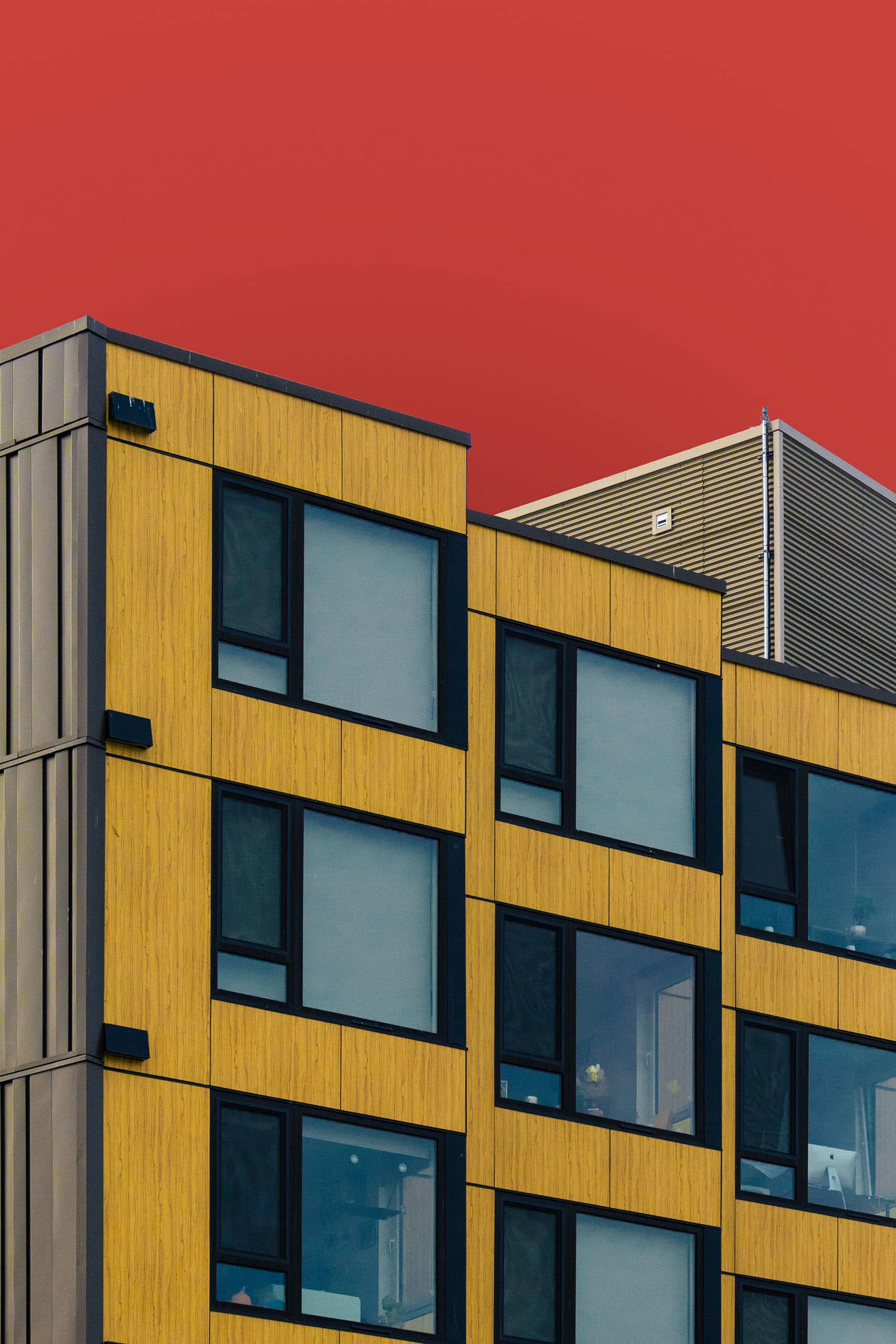
Photo: Matt Reames on Unsplash
And while our streets, parks, squares and houses do not "appear" - pointlessly place charging points for electric cars, hang solar batteries and thermal insulation layers, and then award ecological certificates. People will still try to redo everything as soon as they find the means! That means throwing previously spent resources into the landfill.
Disharmony — not sustainable!


