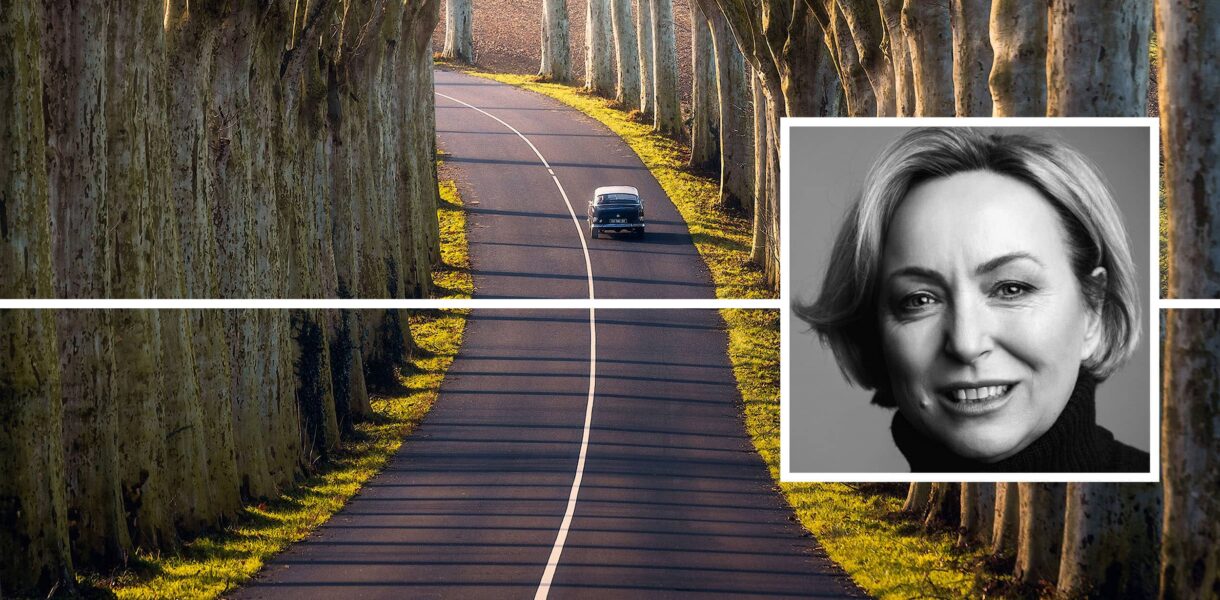

About how mutual cooperation between landscapers and planters capitalize on related business areas, and their professional growth affects the urban environment, the founder of the bureau said Beloded Landscaping, active member of the Society of Garden Designers (SGD) Lyudmila Bilodid.

Lyudmila Bilodid, landscape designer, director and founder of Beloded Landscaping bureau
Gärtnermeister, nurseryman, gardener is the most important link in the green sphere
The Germans call their nurseries Baumschule, which can literally be translated as "school of woody plants." This is the most accurate definition, since a nursery is really a kind of school in which trees are grown and "educated". For urban landscaping, we need specially prepared plants: of a certain height, with roots adapted to a limited space, with a crown shaped by pruning and shearing.
Each nursery has a basic assortment of plants of a certain standard and condition that gardeners may need at any time. The assortment for design projects is selected individually, depending on the requests of landscape architects, as well as in accordance with the experience and commercial sense of the managers of the nursery.

For those involved in plant breeding, the Germans have found another good definition: Baumschulmeister or Gärtnermeister. The word "master", which used to denote guild affiliation, today emphasizes that nursery employees are certified professionals, each of whom has his own specialization.
All of them studied botany, soil science, the rules of plant protection and care. In the nurseries of Europe and North America, the growing process is divided into stages, each of which is carried out by a separate specialist or team.
See also: Architect and landscaper: a 4-handed game
In the Ukrainian classification of professions, horticulture and plant growing are distinguished as two separate specialties. A gardener takes care of plants, a planter grows them. But the head of the nursery first of all needs to be a competent manager, administrator, economist, strategist, but knowing the basics of professions is a must. Otherwise, he will not be able to assess the risks and calculate the amount of investments.
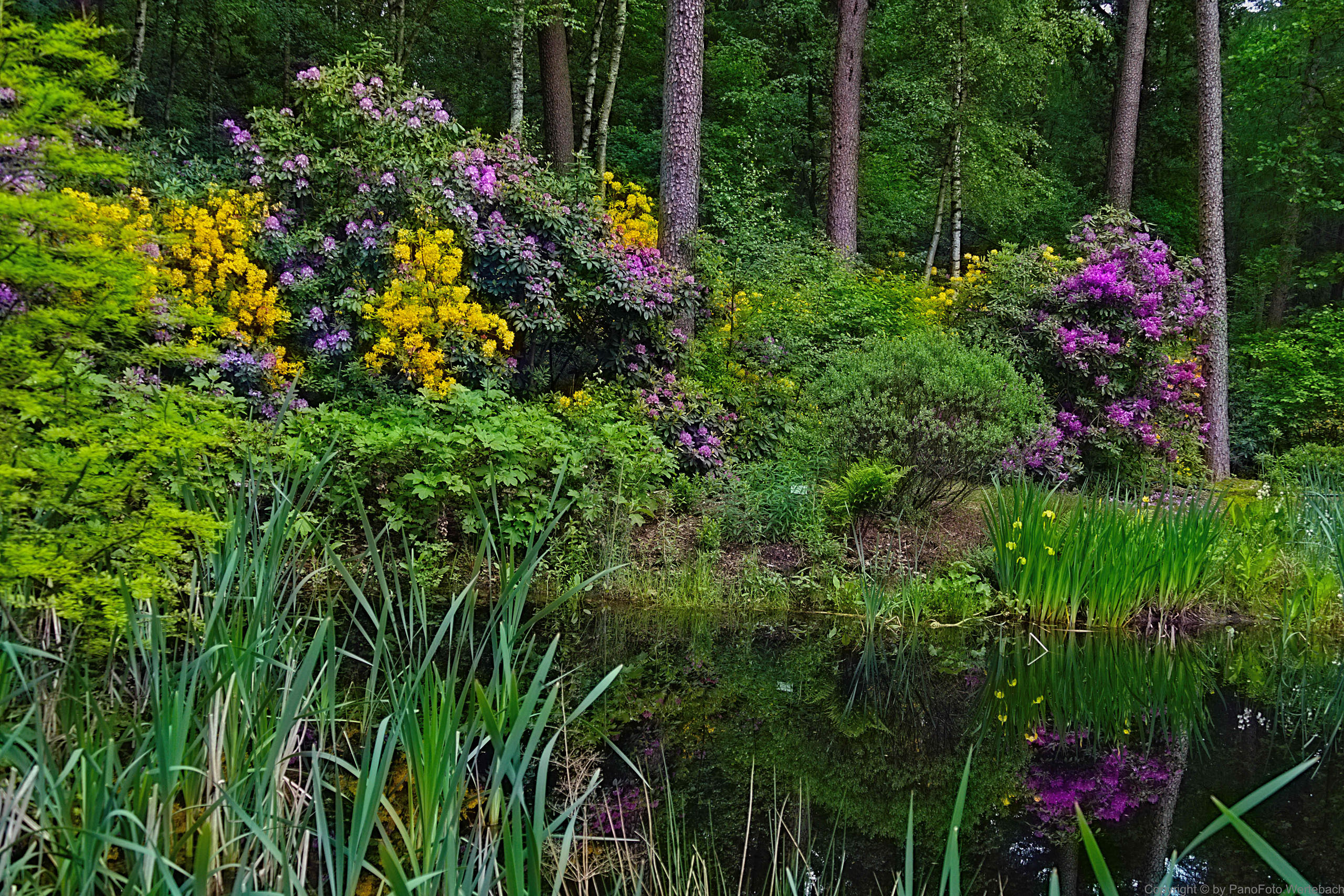
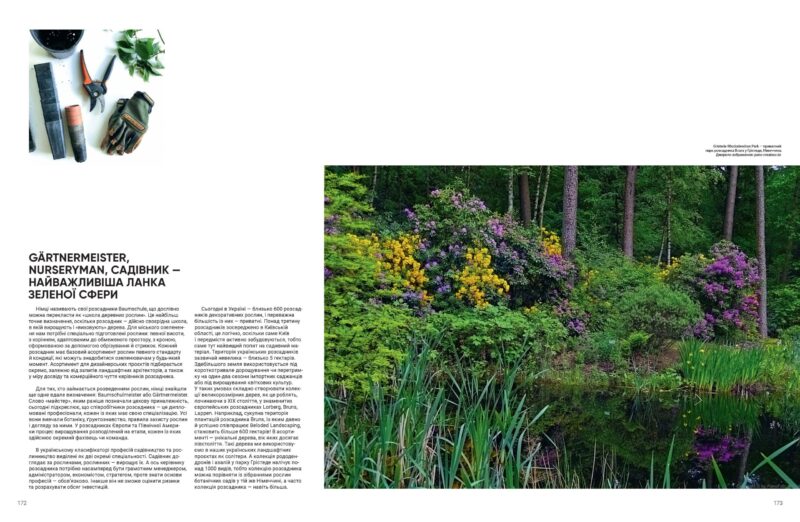
Gristede Rhododendron Park is a private park of the Bruns nursery in Gristede, Germany. Image source: pano-createur.de
Today, there are about 600 ornamental plant nurseries in Ukraine, and the vast majority of them are private. More than a third of nurseries are concentrated in the Kyiv region, this is logical, since it is Kyiv and its suburbs that are actively being built up, that is, it is here that the demand for planting material is the highest.
The territory of Ukrainian nurseries is usually small - about 5 hectares. In most cases, the land is used for short-term growing or holding for one or two seasons of imported seedlings or for growing flower crops. In such conditions, it is difficult to create collections of large-sized trees, as they have been doing since the 600th century in the famous European nurseries of Lorberg, Bruns, and Lappen. For example, the total area of plantations of the Bruns nursery, with which Beloded Landscaping has long and successfully cooperated, is more than XNUMX hectares!
The assortment includes unique trees, the age of which reaches half a century. We use such trees in our Ukrainian landscape projects as solitaires. And the collection of rhododendrons and azaleas in the Gristede Park has more than 1000 species, that is, the collection of the nursery can be compared with the collections of plants of the botanical gardens in the same Germany, and often the collection of the nursery is even larger.
Nursery is a "long game"
Investing in a plant breeding business is "long money". It will take years for the work invested in the sapling to pay off. For example, growing a tree by American standards from a cutting to an adult with a full-fledged crown will take at least 15 years, and we are talking about red maple, which grows relatively quickly.
This business is sensitive to climatic force majeure, economic crises, reforms, any changes in the land market and even the political situation. After the Second World War, European nurseries of ornamental plants lost most of their plantations, as the land had to be set aside for the cultivation of vegetables and cereals due to the food crisis.
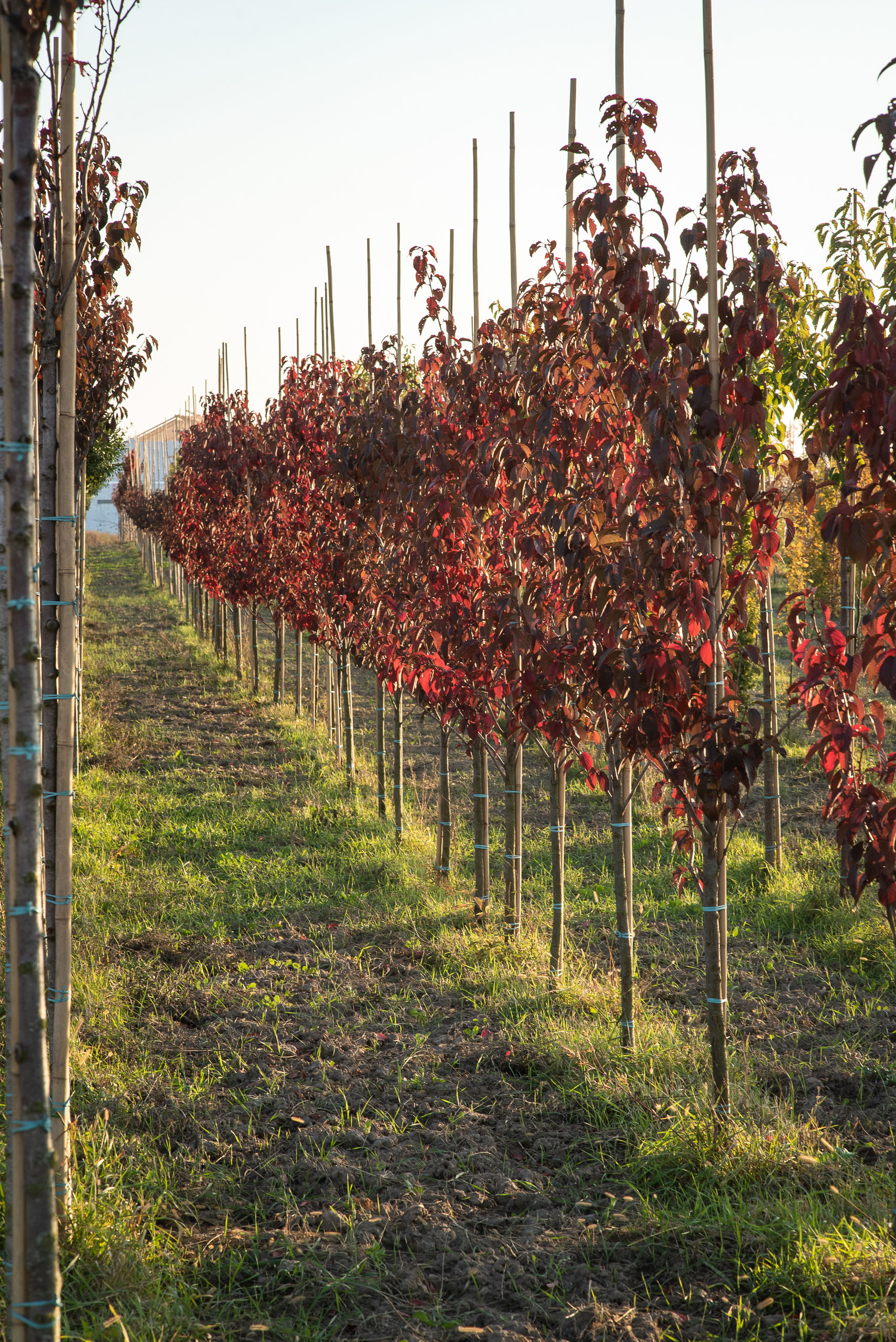
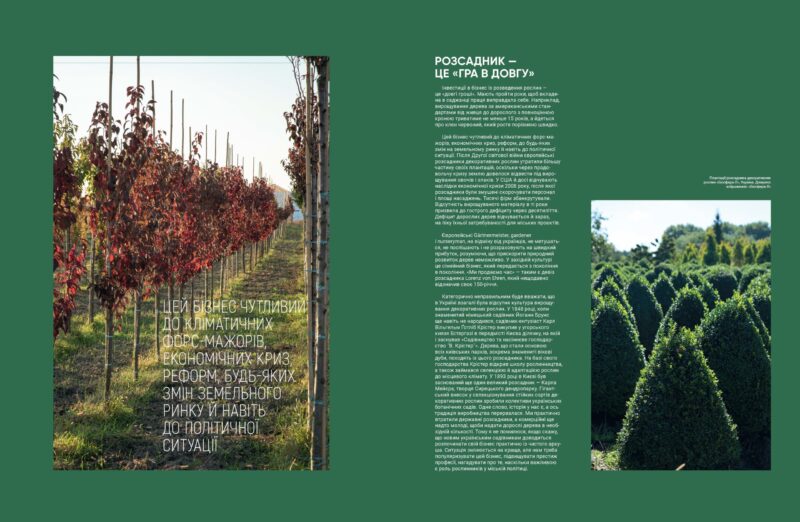
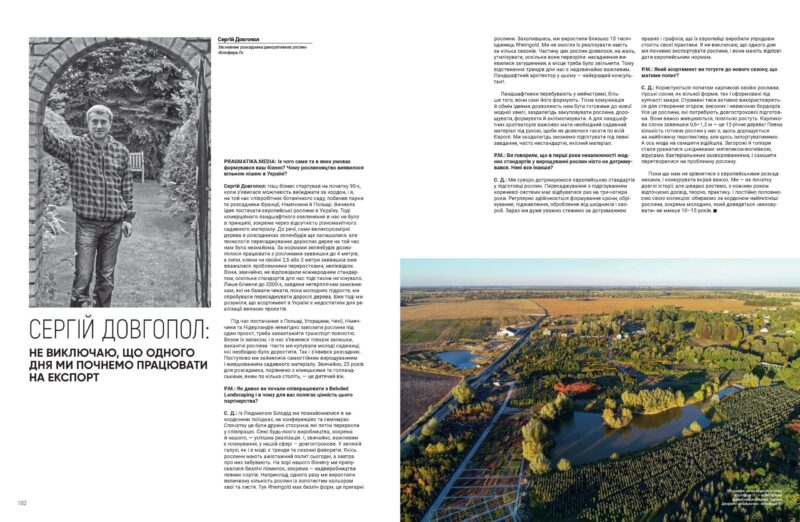
Plantations of the nursery of ornamental plants "Biosphere-L", Ukraine. Image source: "Biosphere-L"
In the US, the effects of the economic crisis of 2008 are still felt, after which nurseries were forced to reduce staff and planting areas. Thousands of companies went bankrupt. The lack of cultivated material in those years led to acute shortages decades later. The shortage of mature trees is felt even now, at the peak of their demand for urban projects.
European Gärtnermeister, gardener and nurseryman, unlike Ukrainians, do not fuss, do not rush and do not expect a quick profit, realizing that it is impossible to accelerate the natural development of trees. In Western culture, it is a family business that is passed down from generation to generation. "We sell time" - this is the motto of the nursery Lorenz von Ehren, which recently celebrated its 150th anniversary.
This business is sensitive to climatic force majeure, economic crises, reforms, any changes in the land market and even to the political situation
It would be categorically incorrect to assume that there was no culture of growing ornamental plants in Ukraine at all. In 1848, when the famous German gardener Johann Bruns was not even born, the gardener-enthusiast Karl Wilhelm Gottlieb Christer bought a plot of land from the Hungarian prince Estergazy in the suburbs of Kyiv, on which he founded "Horticulture and Seed Farming" V. Christer"".
The trees that became the basis of all Kyiv parks, in particular the famous ancient oaks, come from this nursery. On the basis of his farm, Christer opened a plant breeding school, and also engaged in selection and adaptation of plants to the local climate. In 1893, another large nursery was founded in Kyiv - by Karl Meyer, the creator of the Syretsky Arboretum. Teams of Ukrainian botanical gardens made a huge contribution to the selection of resistant varieties of ornamental plants.
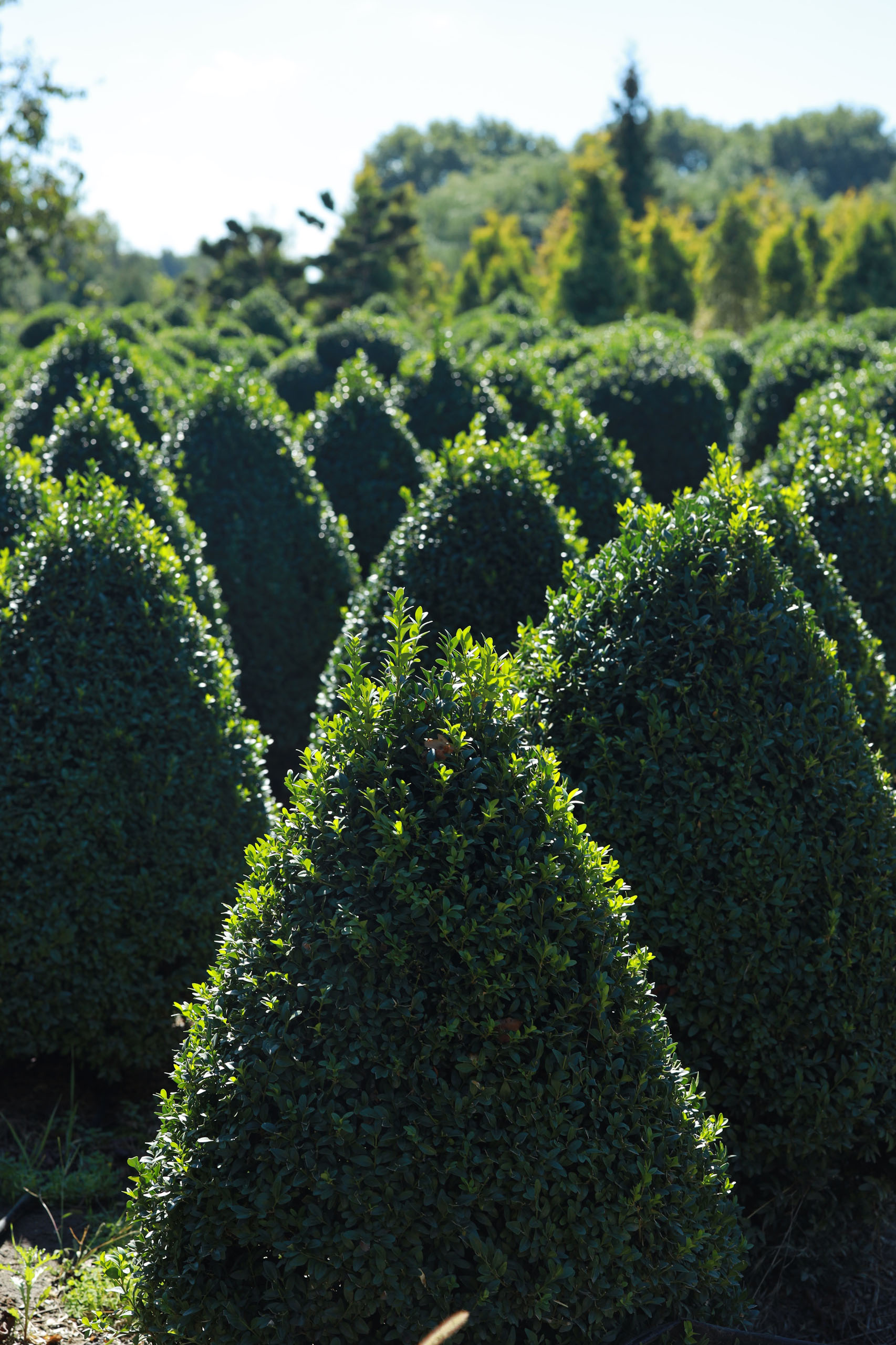
Plantations of the nursery of ornamental plants "Biosphere-L", Ukraine. Image source: "Biosphere-L"
In short, we have a history, but the tradition of production has been interrupted. We have practically lost government nurseries, and commercial ones are still too young to provide mature trees in the required quantity. Therefore, I will not be mistaken if I say that new Ukrainian gardeners have to start their business practically from a clean sheet. The situation is changing for the better, but we need to popularize this business, raise the prestige of the profession, and remind about how important the role of plant growers is in city politics.
Everyone wins!
Why is close contact between architects and plant suppliers so important? Landscape architects are not just buyers of plants, they shape trends and fashion for plants through their activities. A tree or combination of plants effectively used in a landscape becomes a role model.
See also: Zen incarnate. A garden with thoughts about Japan
Thanks to the fact that architects and designers are increasingly involved in urban landscaping projects, their ideas are quickly becoming viral. For example, multi-trunk, multi-trunk trees that have a landscape and maximally natural appearance are now popular. There is a demand, so there must be an offer.

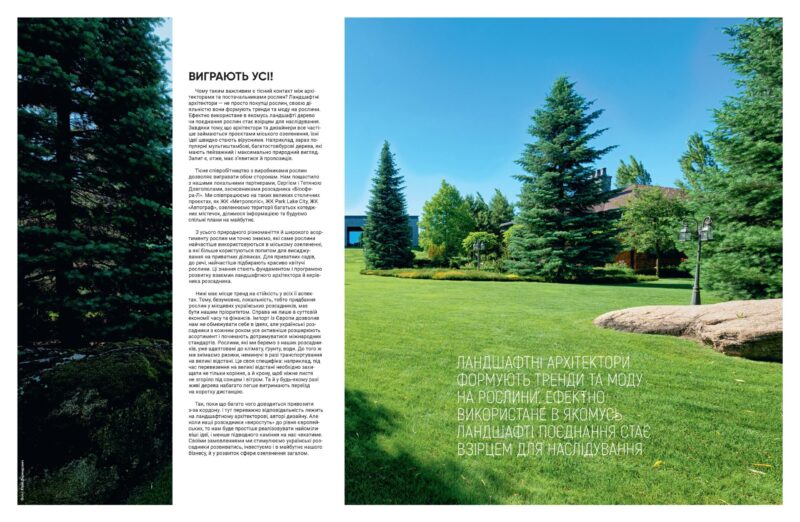
Photo: Yuriy Ferendovych
Close cooperation with plant producers allows both sides to win. We were lucky with our local partners, Serhiy and Tetyana Dovgopol, founders of the Biosphere-L nursery. We cooperate on such large metropolitan projects as "Metropolis" residential complex, Park Lake City residential complex, "Autograph" residential complex, green the territories of many cottage towns, share information and build joint plans for the future.
Landscape architects shape trends and fashion for plants. A combination effectively used in a certain landscape becomes a role model
From all the natural diversity and wide assortment of plants, we know exactly which plants are most often used in urban landscaping, and which are more in demand for planting on private plots. For private gardens, by the way, beautifully blooming plants are most often selected. This knowledge becomes the foundation and program for the development of relations between a landscape architect and a nursery manager.
Currently, there is a trend towards sustainability in all its aspects. Therefore, of course, locality, i.e. purchasing plants from local Ukrainian nurseries, should be our priority. It's not just about saving time and money. Imports from Europe allowed us not to limit ourselves in ideas, but every year Ukrainian nurseries are increasingly expanding their range and starting to adhere to international standards.
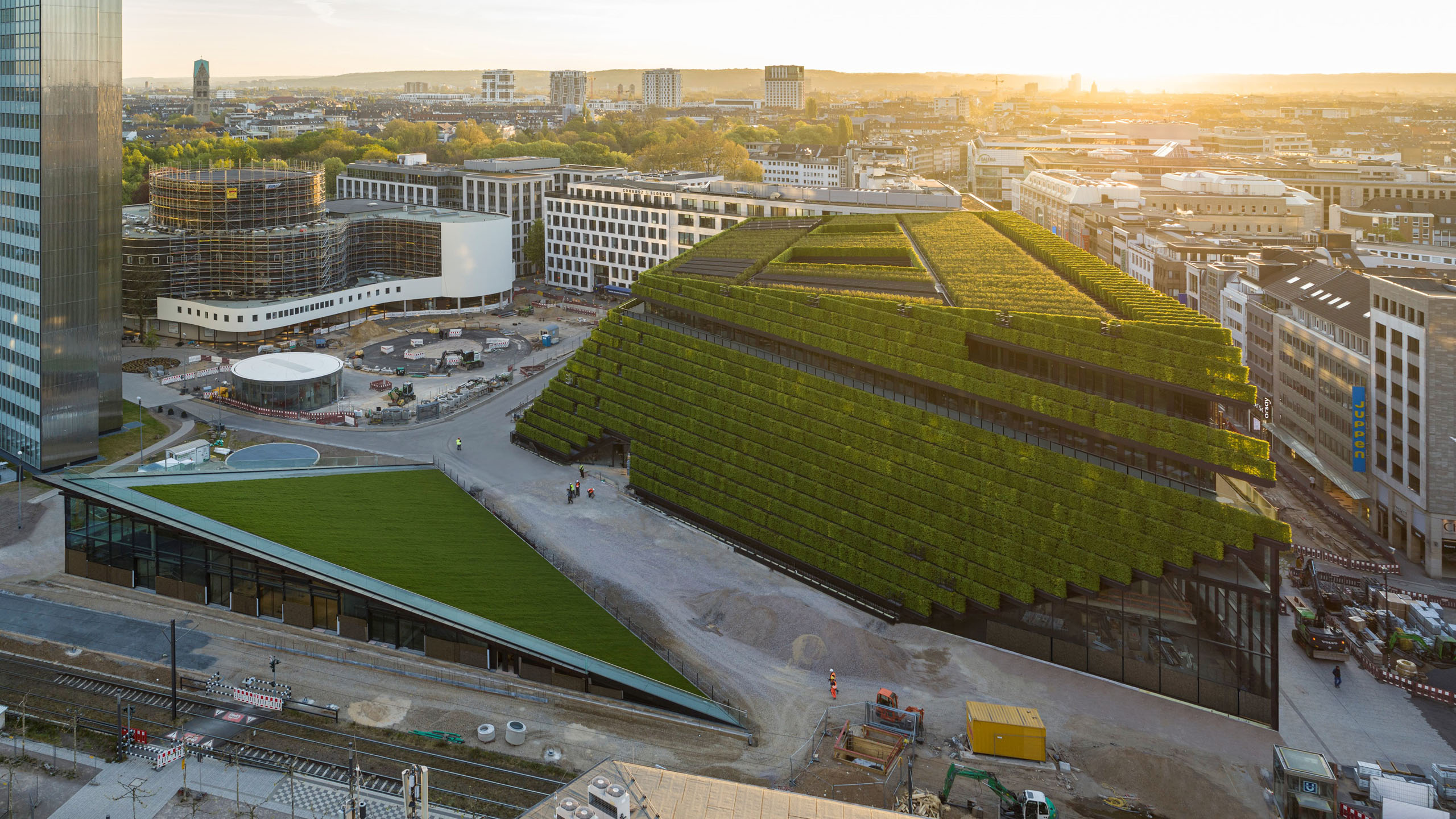
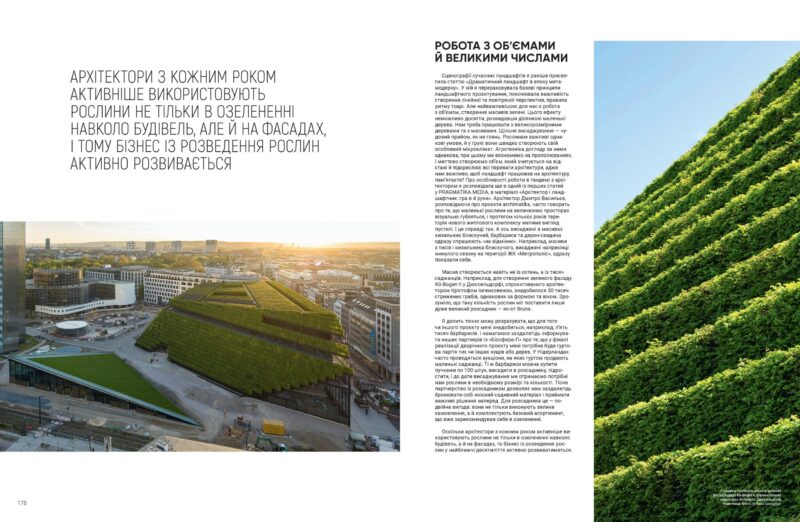
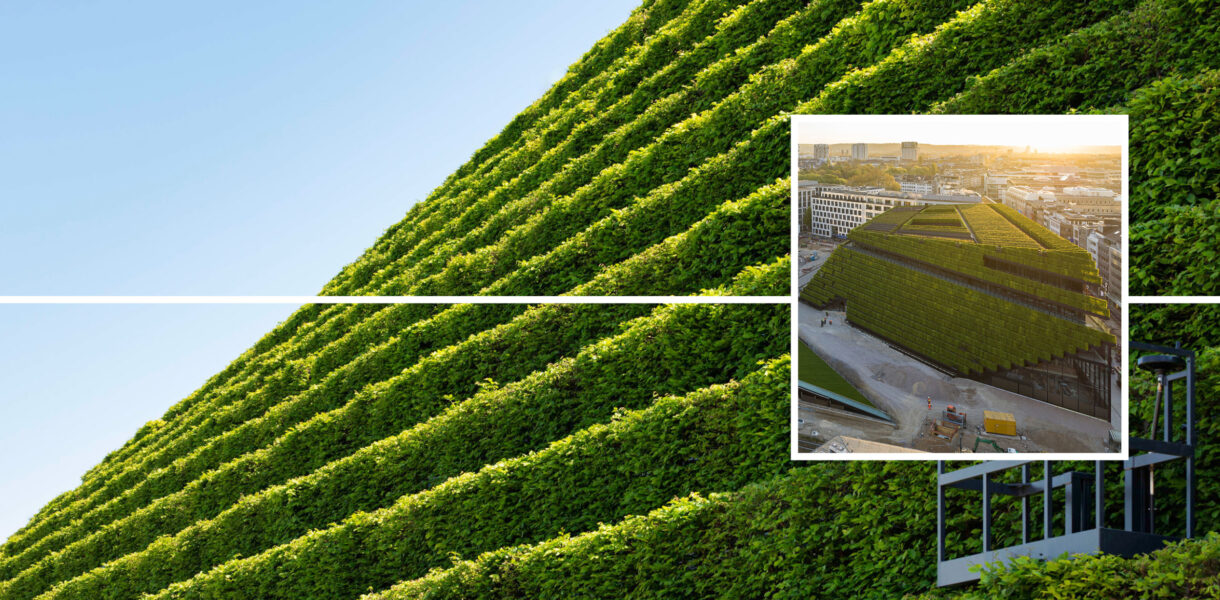
Clipped hornbeams form the green facade of the Kö-Bogen II building, designed by Ingenhoven Architects. Dusseldorf, Germany. Photo: © Hans Georg Esc
The plants we take from our nurseries are already adapted to the climate, soil, and water. In addition, we remove the risks that are inevitable in the case of long-distance transportation. This is specific: for example, during transportation over long distances, it is necessary to protect not only the roots, but also the crown, so that the delicate leaves do not burn under the sun and wind. And in any case, live trees can withstand moving a short distance much easier.
Yes, for now, many things have to be brought from abroad. And here the responsibility rests mainly on the landscape architect, the author of the design. But when our nurseries "grow" to the European level, it will be easier for us to implement the boldest ideas, and fewer pitfalls will await us. With our orders, we stimulate Ukrainian nurseries to develop, we invest in the future of our business, and in the development of landscaping in general.
Work with volumes and large numbers
I previously devoted the article "Dramatic Landscape in the Era of Metamodernism" to the scenography of modern landscapes. In it, I listed the basic principles of landscape design, explained the importance of creating linear and aerial perspectives, rules of rhythm, etc. But the most important thing for us is the work with the volume, the creation of massifs of greenery. This effect cannot be achieved by scattering small trees over the site. We need to work with large trees and arrays. Dense planting is a great technique, if you look at it.

Clipped hornbeams form the green facade of the Kö-Bogen II building, designed by Ingenhoven Architects. Dusseldorf, Germany. Photo: © Hans Georg Esc
The same conditions are important to plants, and in a group they quickly create their own special microclimate. The agricultural technique of caring for them is the same, while we save on weeding. And we instantly create a volume that can be read from a distance and emphasizes all the advantages of architecture, because it is important for us that the landscape works for the architecture, remember?
I talked about the peculiarities of working in tandem with an architect in one of the first articles in PRAGMATIKA.MEDIA, in the material "Architect and landscaper: a 4-hand game". Architect Dmytro Vasiliev, talking about archimatika projects, often says that small plants are visually lost in huge spaces, and within a few years the territory of the new residential complex will look like a desert. And it really is. But, planted in massifs, the brilliant cotoneaster, barberry, and sod will work "perfectly" immediately. For example, the massifs of yews and brindle dogwood, planted at the end of last season on the territory of the "Metropolis" residential complex, immediately showed themselves.
Every year, architects use plants more actively not only in landscaping around buildings, but also on facades, and therefore the plant breeding business is actively developing
The array is created not even from hundreds, but from thousands of seedlings. For example, to create the green facade of Kö-Bogen II in Düsseldorf, designed by architect Christoph Ingenhoven, 30 sheared hornbeam trees of the same shape and age were needed. It is clear that only a very large nursery like Bruns could supply such a number of plants.
See also: From a "punitive" landscape to a therapeutic one
I can calculate quite accurately that for this or that project I will need, for example, five thousand barberries. And I try to inform our partners from "Biosphere-L" in advance that in the final implementation of the two-year project I will need a batch of certain bushes or trees. Auctions are often held in the Netherlands, where small seedlings are sold in groups. The same barberry can be bought in bundles of 100 pieces, planted in a nursery, grown, and by the planting date we will receive the plants we need in the required size and quantity.
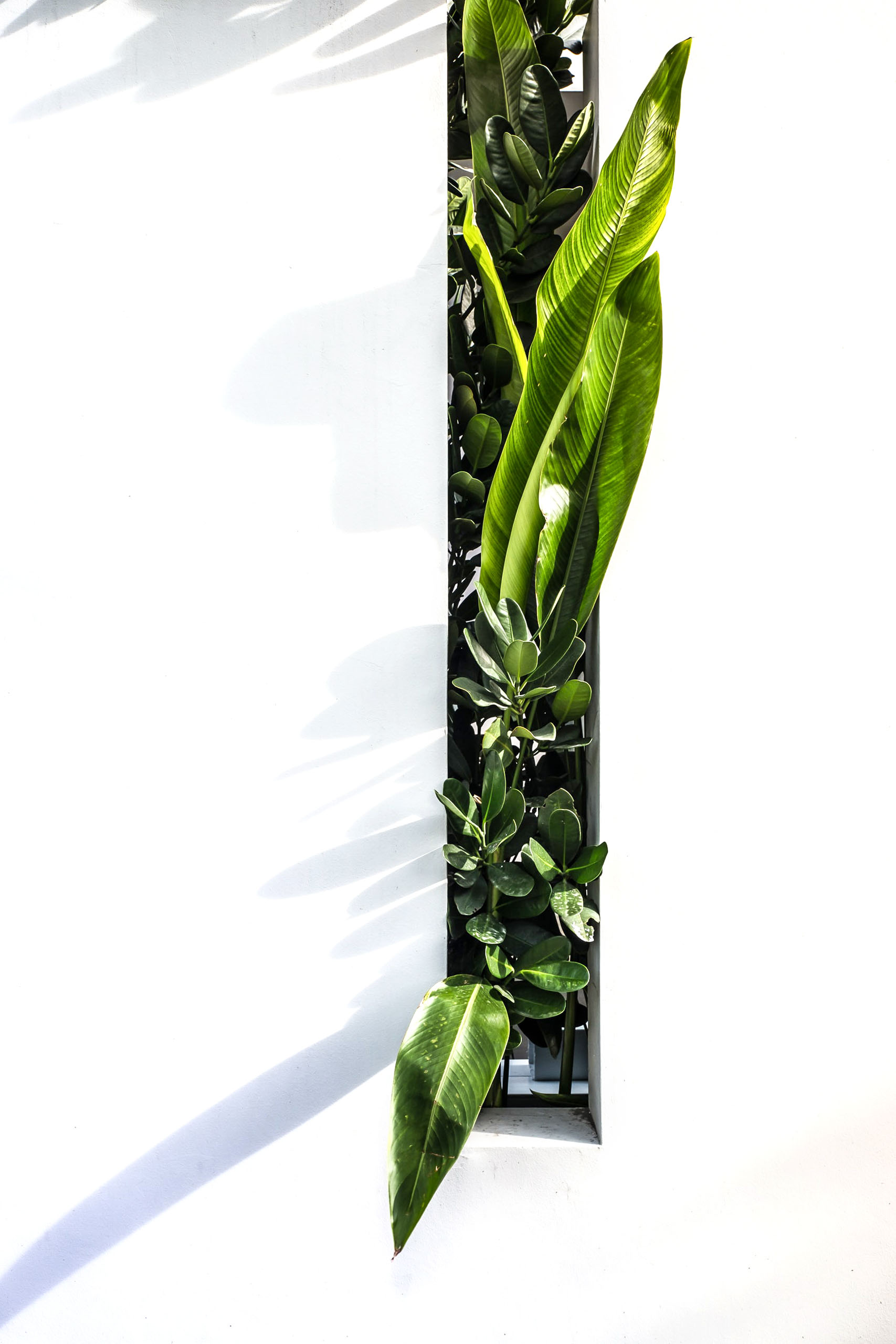
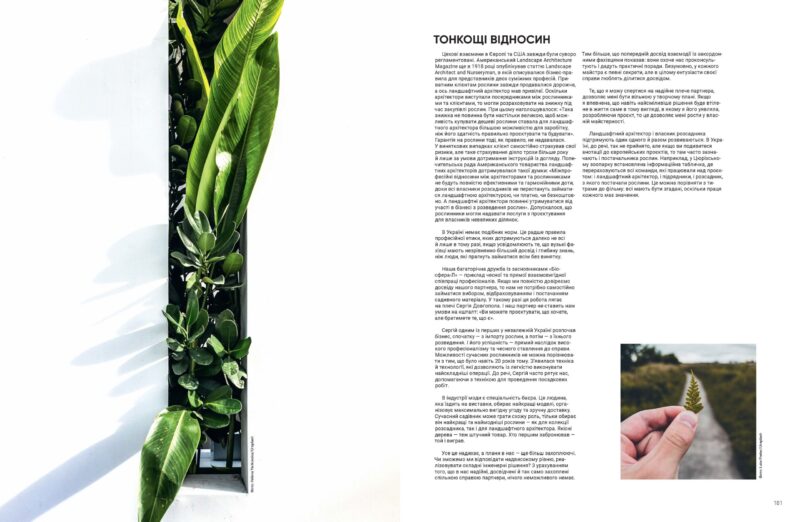
Photo: Helena Yankovska / Unsplash
A close partnership with a nursery allows us to reserve high-quality planting material in advance and make important decisions in advance. For the nursery, this is a double benefit: they not only fulfill a large order, but also complete a basic assortment that has already proven itself in gardening.
Since every year architects use plants more actively not only in landscaping around buildings, but also on facades, the plant breeding business will develop actively in the coming decades.
Subtleties of relations
Trade union relations in Europe and the USA have always been strictly regulated. Back in 1918, the American Landscape Architecture Magazine published the article Landscape Architect and Nurseryman, which described business rules for representatives of two related professions. Plants were always sold more expensively to private clients, but the landscape architect had privileges. Since architects acted as mediators between plant growers and customers, they could count on a discount when purchasing plants.
At the same time, it was emphasized: "Such a discount should not be so large that the opportunity to buy cheap plants becomes a greater opportunity for the landscape architect to earn money than his ability to properly design and build." At that time, as a rule, the guarantee for plants was not provided. In exceptional cases, the client insured his own risks, but this insurance was valid for a little over a year and only if the care instructions were followed.
The Board of Trustees of the American Society of Landscape Architects opined: "The interprofessional relationship between architects and plant growers will not be fully effective and harmonious until all nurserymen cease to engage in landscape architecture, whether paid or gratuitous. And landscape architects should refrain from participating in the plant breeding business." It was assumed that planters could provide design services for owners of small plots.

Photo: Luke Porter / Unsplash
There are no similar norms in Ukraine. These are rather the rules of professional ethics, which not everyone follows and only if they realize that narrow specialists have incomparably greater experience and depth of knowledge than people who strive to do everything without exception.
Our long-term friendship with the founders of "Biosphere-L" is an example of honest and direct mutually beneficial cooperation of professionals. If we fully trust the experience of our partner, then we do not need to deal with the selection, rejection and supply of planting material on our own. In this case, this work falls on the shoulders of Serhiy Dovgopol. And our partner does not set us conditions like: "You can project what you want, but you will take what is available."
Serhiy was one of the first in independent Ukraine to start a business, first importing plants, and then breeding them. And his success is a direct consequence of his high professionalism and honest attitude to business. The possibilities of modern growers cannot be compared with what was even 20 years ago. Techniques and technologies have appeared that allow you to perform the most complex operations with ease. By the way, Serhii often saves us by helping us with equipment for landing work.
In the fashion industry, there is a specialty of Bayer. This is a person who goes to exhibitions, chooses the best models, organizes the most profitable deal and convenient delivery. The modern gardener can play a similar role, only he chooses the best and trendiest plants — both for the nurseryman's collection and for the landscape architect. High-quality trees are also an artificial product. Whoever booked first won.

All this is inspiring, and our plans are even more exciting. Will we be able to meet the ultra-high level, implement complex engineering solutions? Taking into account the fact that we have reliable, experienced and equally enthusiastic partners, nothing is impossible.
Moreover, the previous experience of interaction with foreign specialists has shown that they are willing to consult us and give practical advice. Of course, every master has certain secrets, but in general, enthusiasts of their work like to share their experience.
The fact that I can lean on the reliable shoulder of my partner allows me to be creatively free. If I am sure that even the boldest decision will be implemented in exactly the form in which I imagined it while developing the project, then this allows me to grow in my own skill.
The landscape architect and the nursery owner support each other and develop together. In Ukraine, by the way, this is not accepted, but if you look at the annotations to European projects, the supplier of plants is often mentioned there. For example, the Zurich Zoo has an information board that lists all the teams that worked on the project: the landscape architect, the contractors, and the nursery that supplied the plants. It can be compared to the credits of a movie: everyone should be mentioned because everyone's work matters.
Serhiy Dovgopol: I do not rule out that one day we will start working for export
PRAGMATIKA.MEDIA: From what exactly and under what conditions was your business formed? Why did plant growing turn out to be a free niche in Ukraine?
Sergey Dovgopol: Our business started in the early 90s, when there was an opportunity to travel abroad, and I, at that time an employee of a botanical garden, saw the parks and nurseries of France, Germany and Poland. The idea arose to supply European plants to Ukraine. At that time, we did not have commercial landscaping in principle, in particular due to the lack of various planting material.
By the way, it was the large-sized trees that still remained in the nurseries of green buildings, but the technology of transplanting adult trees was unfamiliar to us at that time. According to green building standards, it was allowed to work with plants up to 4 meters tall, while lindens, maples or conifers 2,5 or 3 meters tall were already considered problematic overgrowths, non-liquid.
Of course, they did not meet international standards, because standards did not exist for us then either. Only closer to the 2000s, thanks to impatient customers who did not want to wait for the young to grow up, we tried to transplant adult trees. Even then, we understood that the assortment in Ukraine was insufficient for the implementation of large projects.
When delivering from Poland, Hungary, the Czech Republic, Germany and the Netherlands, it is unprofitable to bring in plants for one project, it is necessary to fully load the transport. We were carrying a stock, and we had merchandise leftovers, vacant plants. We often bought young seedlings that needed to be grown. That's how the nursery appeared. Gradually, we engaged in independent cultivation and grafting of planting material. Of course, 25 years for a nursery, compared to the German and Dutch, which are several centuries old, is a child's age.
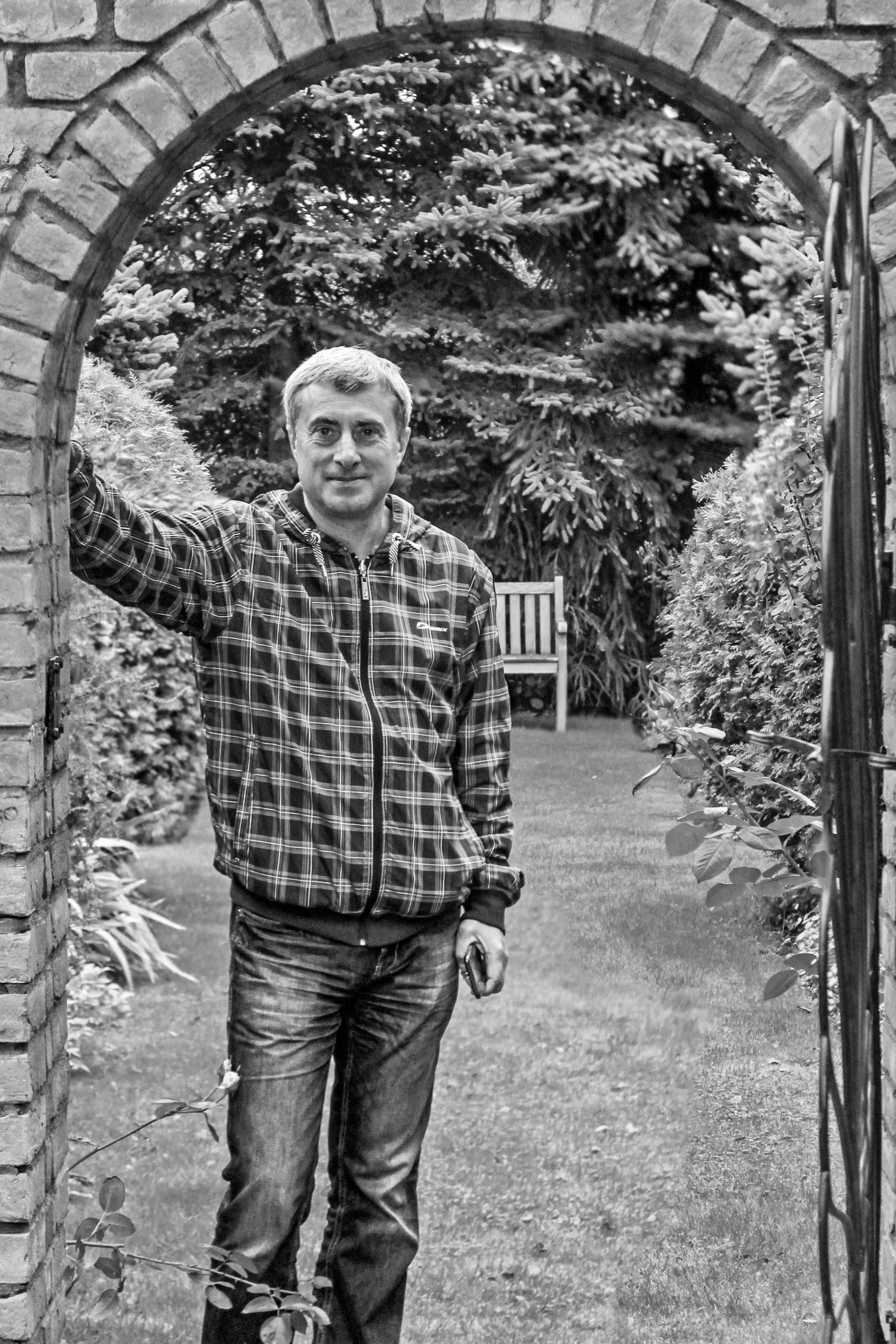
Serhii Dovgopol, founder of the ornamental plant nursery "Biosphere-L"
PM: How long ago did you start working with Beloded Landscaping and what is the value of this partnership for you?
S. D.: We met Ludmila Bilodid during trips abroad, at conferences and seminars. At first, these were friendly relations, which later turned into cooperation. The meaning of any production, including ours, is successful implementation. And, of course, long-term planning is important in our field. In the green industry, as in fashion, there are trends and seasonal favorites.
Some plants are in great demand today, and are forgotten about tomorrow. At the dawn of our business, we made many mistakes, including overproduction of certain varieties. For example, once we grew a huge number of plants with golden needles and leaves. Thuja Rheingold has many forms, these are beautiful plants.
Getting excited, we grew about 10 thousand units of Rheingold. We could not implement them even in several seasons. Unfortunately, some of these plants had to be disposed of because they overripe: the plantations turned out to be dense, and the place had to be vacated. Therefore, tracking trends is extremely important for us. A landscape architect is the best consultant in this.
Landscapers are in the mainstream, moreover, they themselves shape it. Close communication and exchange of ideas allow us to be ready for a new fashionable wave, to purchase plants in advance, to grow, shape and acclimatize. And for landscape architects, it is important to have the necessary planting material at hand, so that they do not have to put out all over Europe. We will be able to prepare high-quality material in advance for certain tasks, often non-standard.
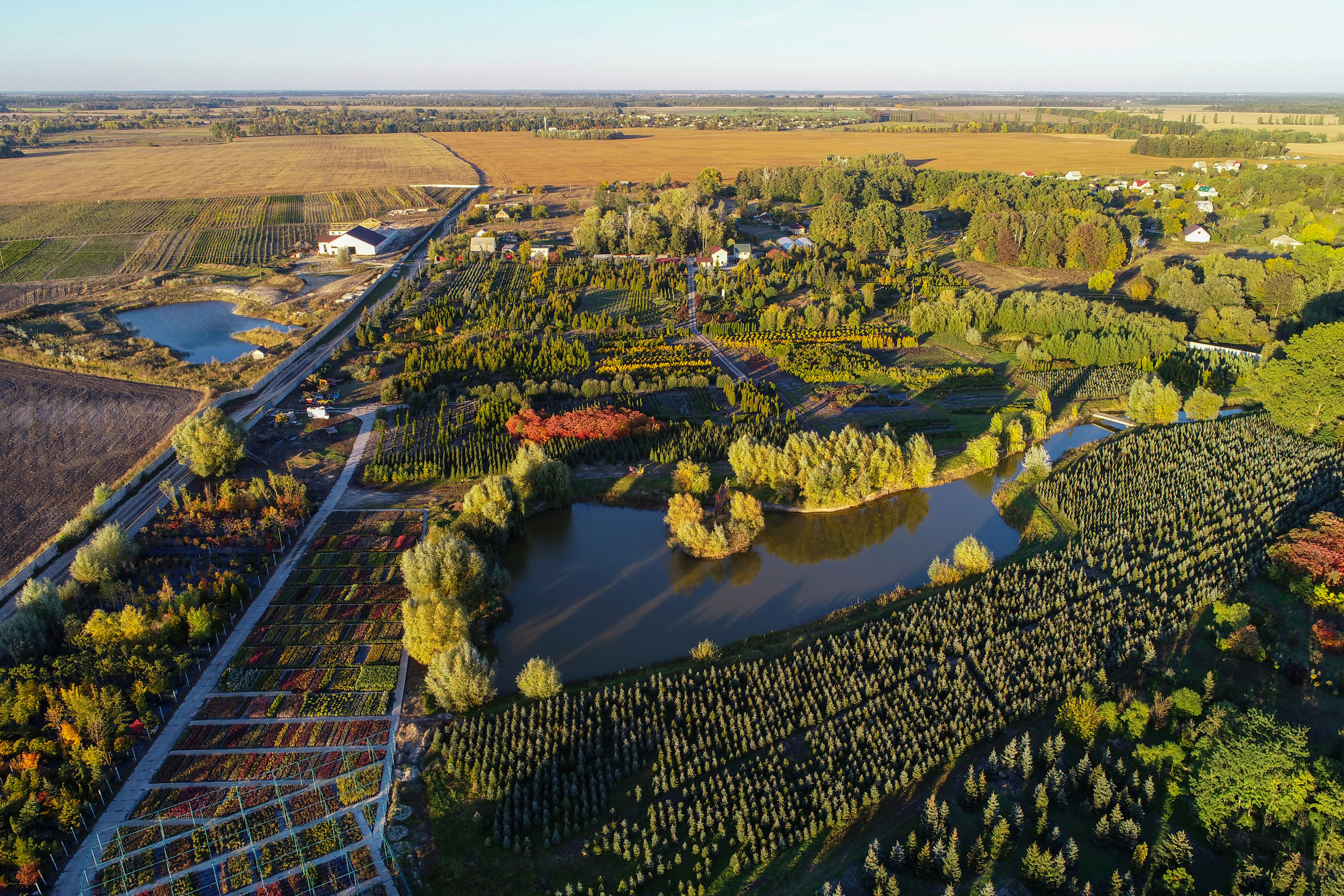
The nursery of ornamental plants "Biosphere-L" is the oldest private nursery in Ukraine. Image source: "Biosphere-L"
PM: You said that in the first years of independence, no one followed any standards in growing plants. Is everything different now?
S. D.: We strictly adhere to European standards in the preparation of plants. Transplantation with pruning of the root system should take place once every three to four years. Crown formation, pruning, feeding, pest and disease treatment are carried out regularly. Now we are very closely following the rules and schedules that the Europeans have developed over centuries of their practice. I do not rule out that one day we will start exporting plants, and they must meet European standards.
PM: What assortment are you preparing for the new season that will be in demand?
S. D.: Dwarf coniferous plants, mountain pines, both free-form and formed under cumulus clouds, are in demand. Clipped yews are actively used to create fences, high and low borders. All these are plants that require long-term preparation. They are difficult to graft, grow slowly. A dwarf pine 0,6–1,2 m tall is a 12-year-old tree!
We have a certain number of ready-made plants, some are growing for the near future, but we will import some. But the fashion for boxwood has gone. Hedgerows and topiaries began to be affected by pests: firefly, viruses, bacterial diseases, and boxwoods turned into a problem plant.
See also: Garden feeling. Landscape design of private gardens
So far, we cannot compare with European nurseries, and it is extremely difficult to compete. We are at the beginning of a long history, but we are growing rapidly, honing our experience, theory, and practice every year. And we are constantly replenishing our collection: we choose the highest quality plants abroad, in particular, young plants that will have to be "raised" for at least 10-15 years.