
Balance of textures: softening industrial architecture
Modern interiors are often based on the dominance of "cold" materials - concrete, glass, porcelain stoneware and metal. Without a visual counterbalance, such a space can seem sterile and even aggressive to human perception. Textiles act as a buffer, adding tactile softness and depth, while maintaining the severity of the lines. This is not an attempt to embellish minimalism, but a strategic decision for organizing a high-tech environment. The following techniques help to make the space "warm":
- Contrast of materials. The combination of rough plaster and soft linen creates visual volume.
- Light and shadow pattern. Translucent fabrics transform direct sunlight into a soft, enveloping glow.
- Smoothing corners. Vertical draperies visually raise ceilings and eliminate the rigidity of window slopes.
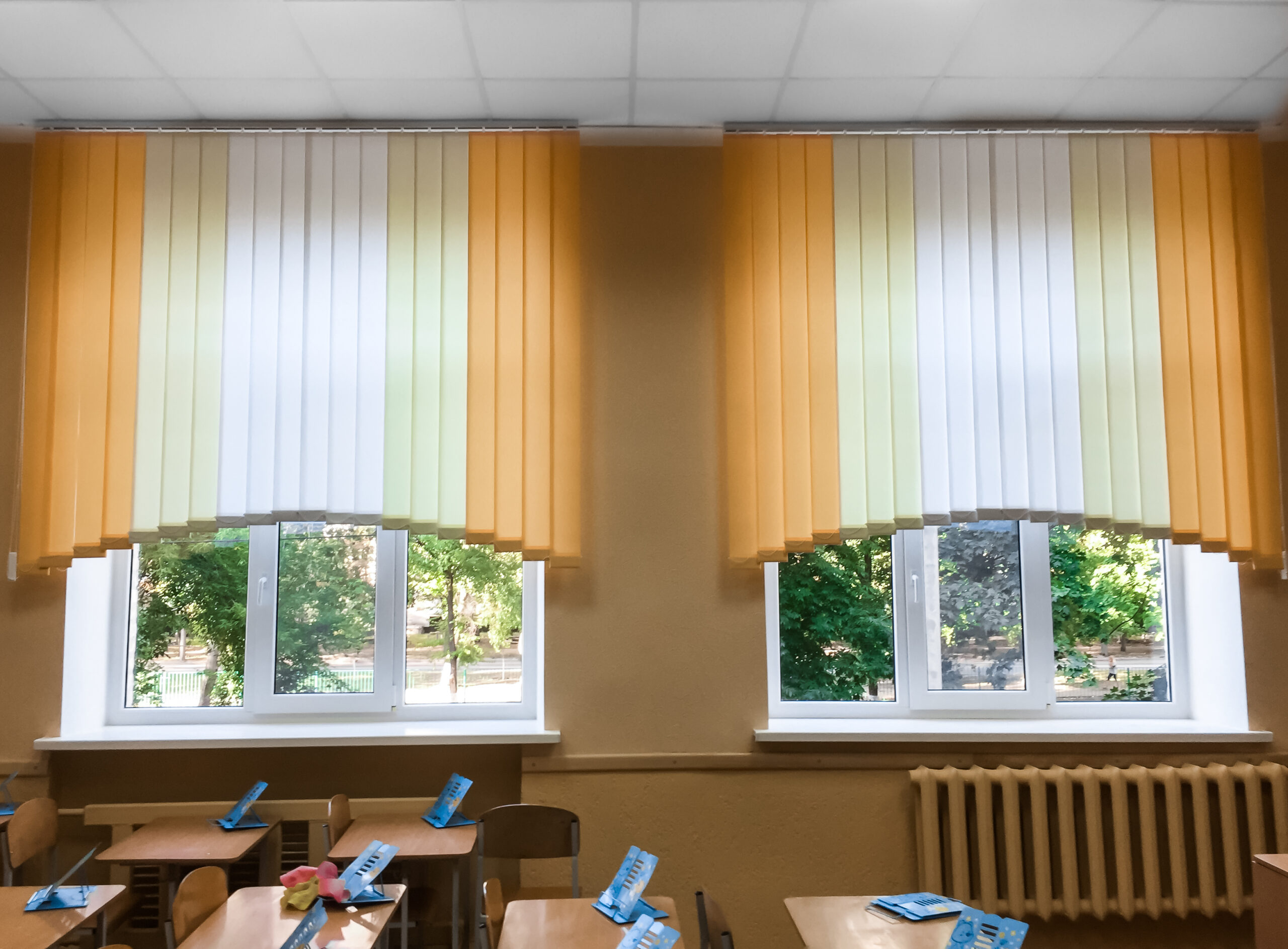
Photo provided by the company "Jalyuzi-Service"
Textiles in the interior work as a color tie, helping to unite different parts of an open space with a single color palette.
Invisible design: acoustic comfort in open-plan spaces
Open spaces with panoramic glazing look beautiful, but in terms of acoustics they often resemble empty boxes with an echo effect. Hard surfaces reflect sound waves, creating noise even during a normal conversation, which interferes with comfortable rest or work. Window textiles are the simplest and most effective sound absorber, requiring no redevelopment or complex design solutions. Modern specialized fabrics significantly reduce the sound attenuation time, creating an intimate and cozy atmosphere even in the vast space of a loft. There are several reasons to use fabric roller blinds in spacious rooms:
- Sound absorption. Dense and multilayered fabrics effectively dampen excess noise and echoes;
- psychological comfort. Textiles create a sense of security and privacy in a house with panoramic glazing;
- Zoning without walls. Electric curtains allow you to instantly transform a space, turning it from open to secluded.
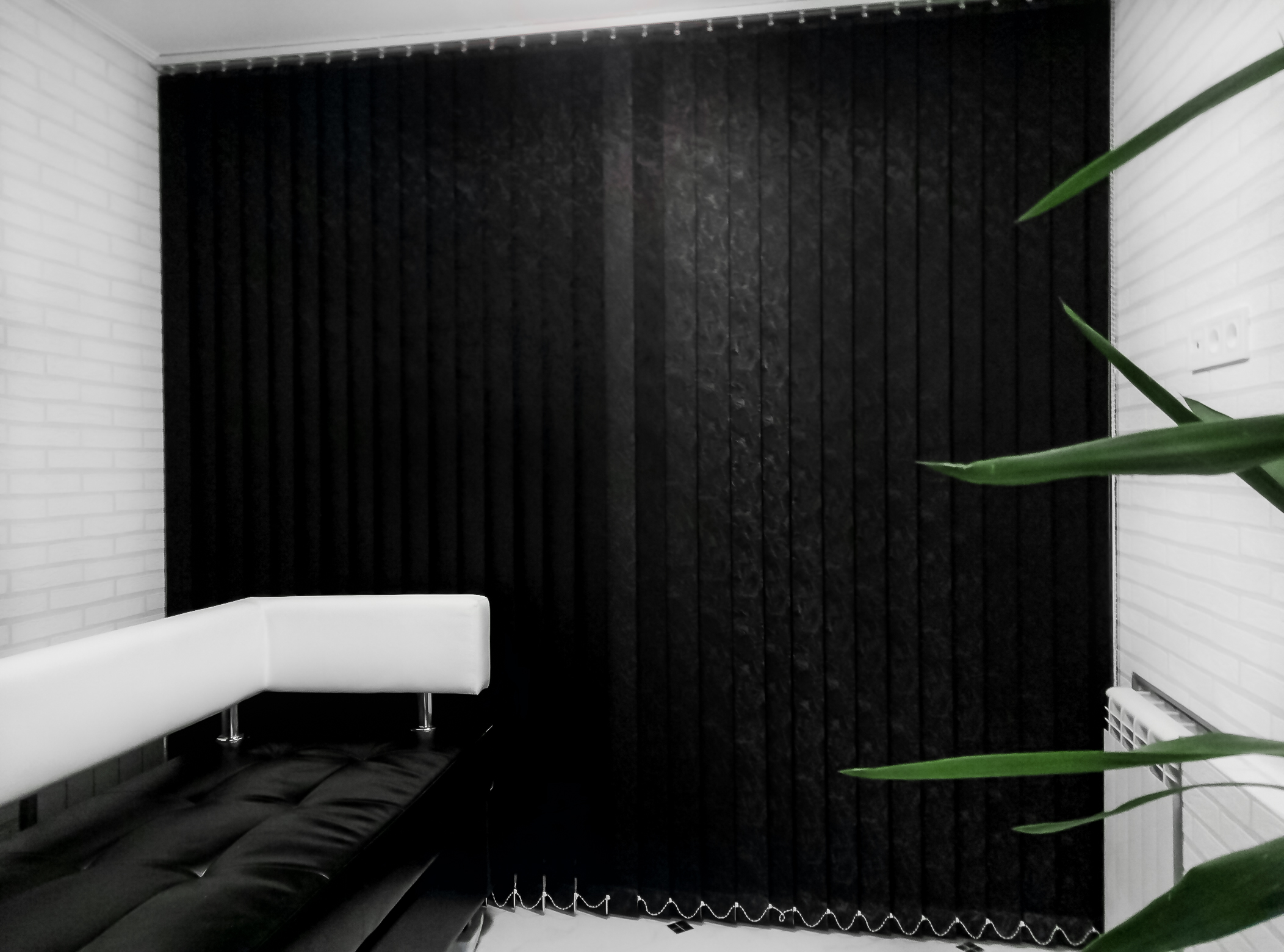
Photo provided by the company "Jalyuzi-Service"
Fabric blinds are an acoustic tuning tool that allows you to adjust the sound effects in a room by changing the density and area of the material drapery.
Form and function: why designers choose fabric roller blinds for windows
In the era of laconic interiors, classic multi-layer curtains are giving way to functional roller blinds. This is the choice of connoisseurs of the purity of the architectural opening and maximum practicality of every square centimeter. Roller blinds are integrated directly into the window frame or niche, providing access to the windowsill and not overloading the visual row with unnecessary details. Advantages of the solution:
- compactness. Ideal for small spaces and kitchens where every centimeter is important;
- point light control. Blackout blinds allow you to achieve complete darkness even during the day, which is important for bedrooms and home theaters;
- minimalism in details. The absence of unnecessary folds and lush decor emphasizes the modern style;
- compatibility with smart home systems. Automation and easy control of lighting scenarios via smartphone or voice assistant.
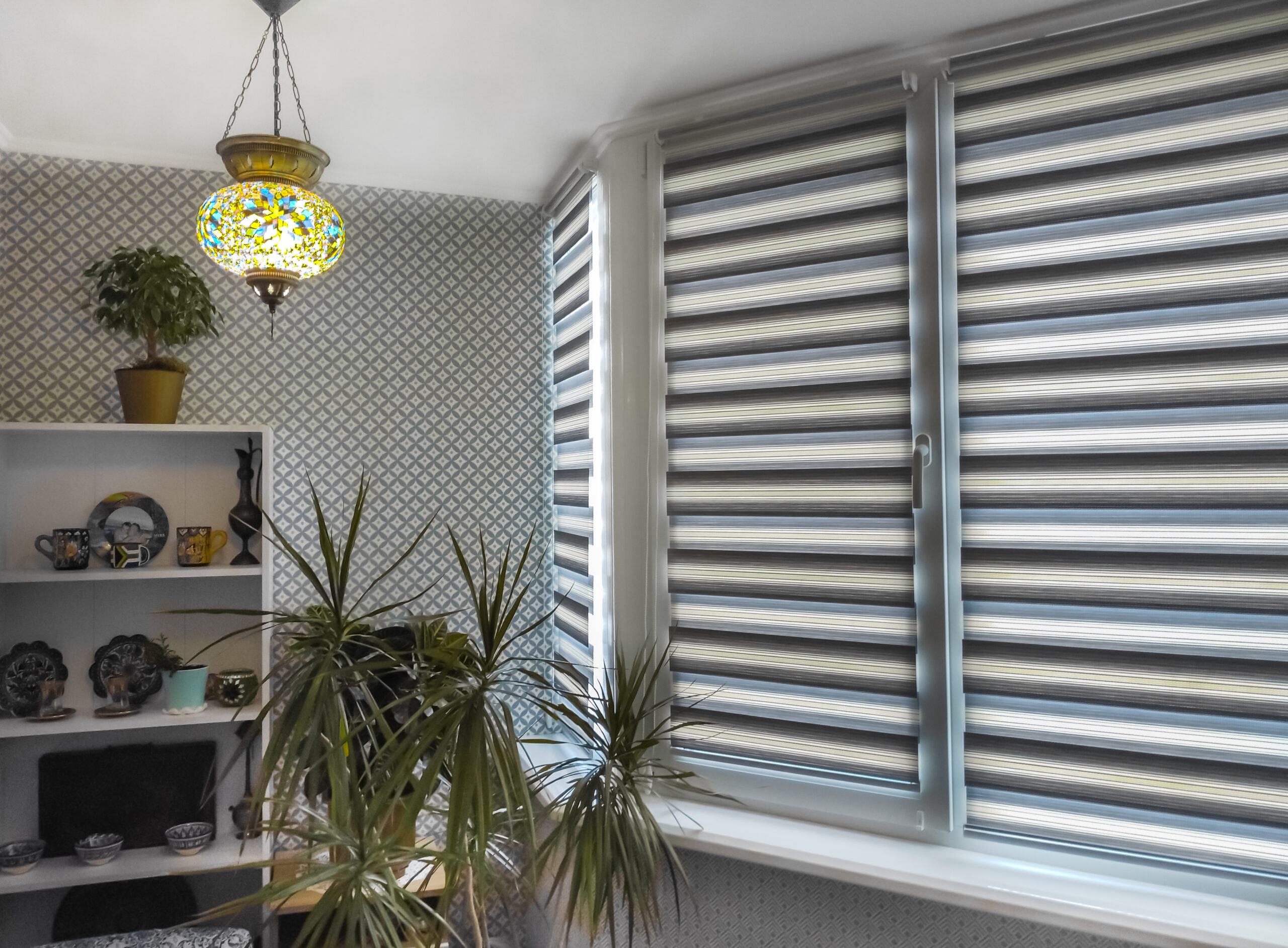
Photo provided by the company "Jalyuzi-Service"
Thus, roller blinds become an organic extension of the interior and provide complete control over light with one movement.
Smart fabrics: energy efficiency and protection of premium materials
Thanks to the innovative composition fabric roller blinds for windows reflect up to 80% of ultraviolet light, preventing fading of valuable parquet, paintings and designer furniture.
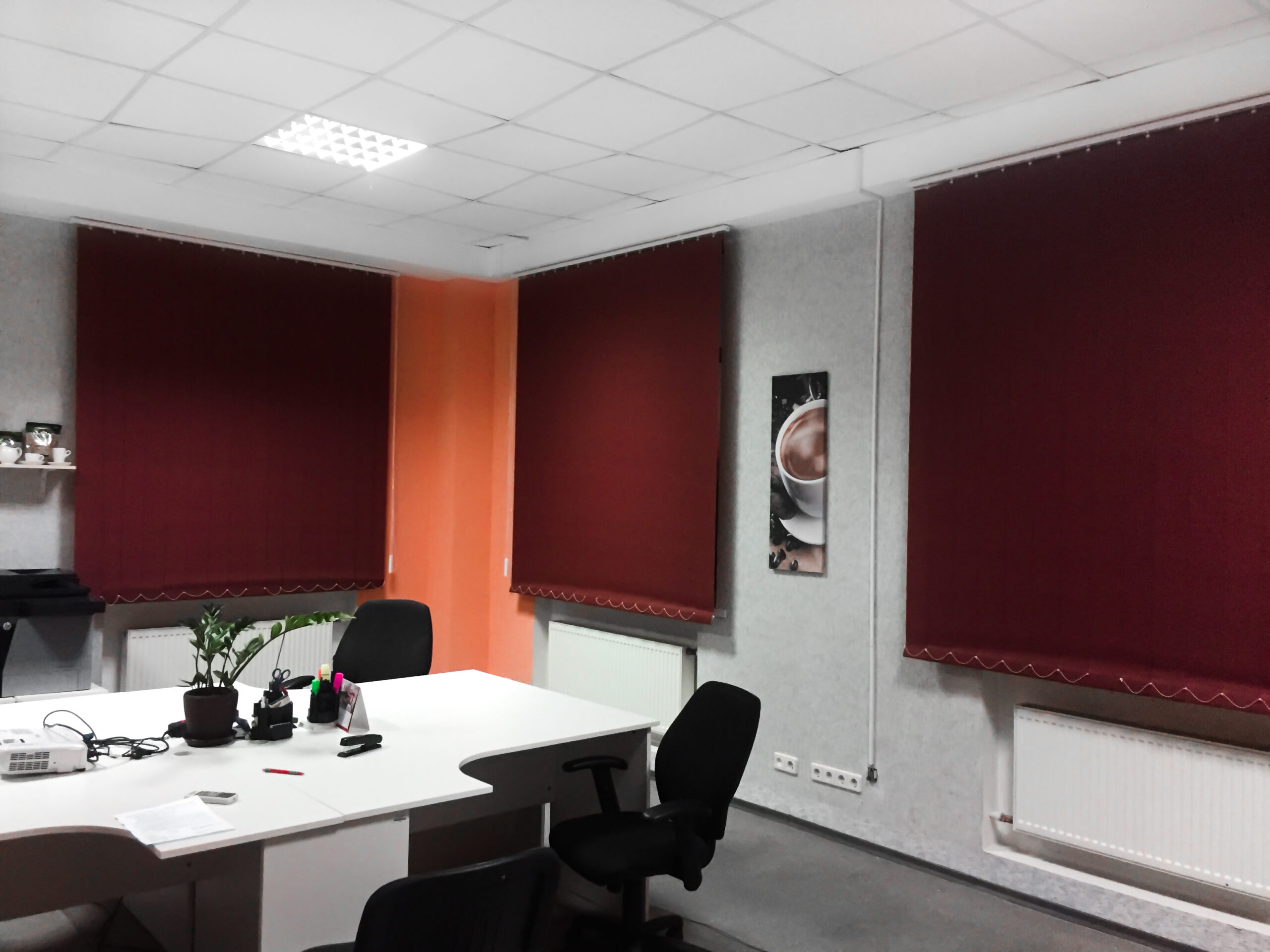
Photo provided by the company "Jalyuzi-Service"
Textiles act as a temperature barrier: in summer they prevent the room from overheating, and in winter they keep the heat inside. Modern antistatic impregnations repel dust and simplify home care. High-quality materials are resistant to deformation and retain their shape for years, even with intensive use.
See also:
The evolution of window space design: from decorativeness to functional aesthetics
Why Art Deco Became the Architecture of the 1920s Optimism Era