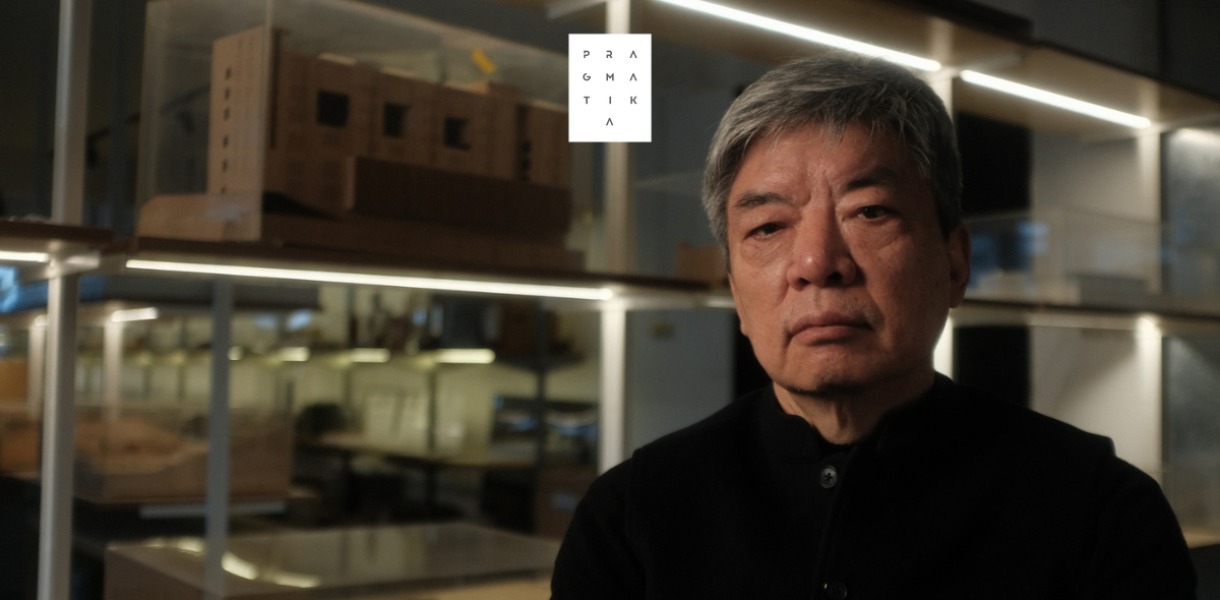
Лю Цзякунь was born in 1956 in Chengdu, China. He did not intend to become an architect. Initially, he aspired to be an artist and writer, attracted by the expressive power of art. However, he later enrolled in the Chongqing Institute of Architecture and Engineering, believing that fine arts are related to architecture.
After graduating in 1982, he briefly worked at the Chengdu Academy of Architectural Design, which he found “unpleasant.” Disillusioned by the rigid structure of the profession, he left architecture altogether, embarking on a journey of self-discovery that lasted more than a decade. During this time, he lived in Tibet and Xinjiang, where he practiced meditation, painting, and writing, while officially working at the Academy of Literature as a writer.
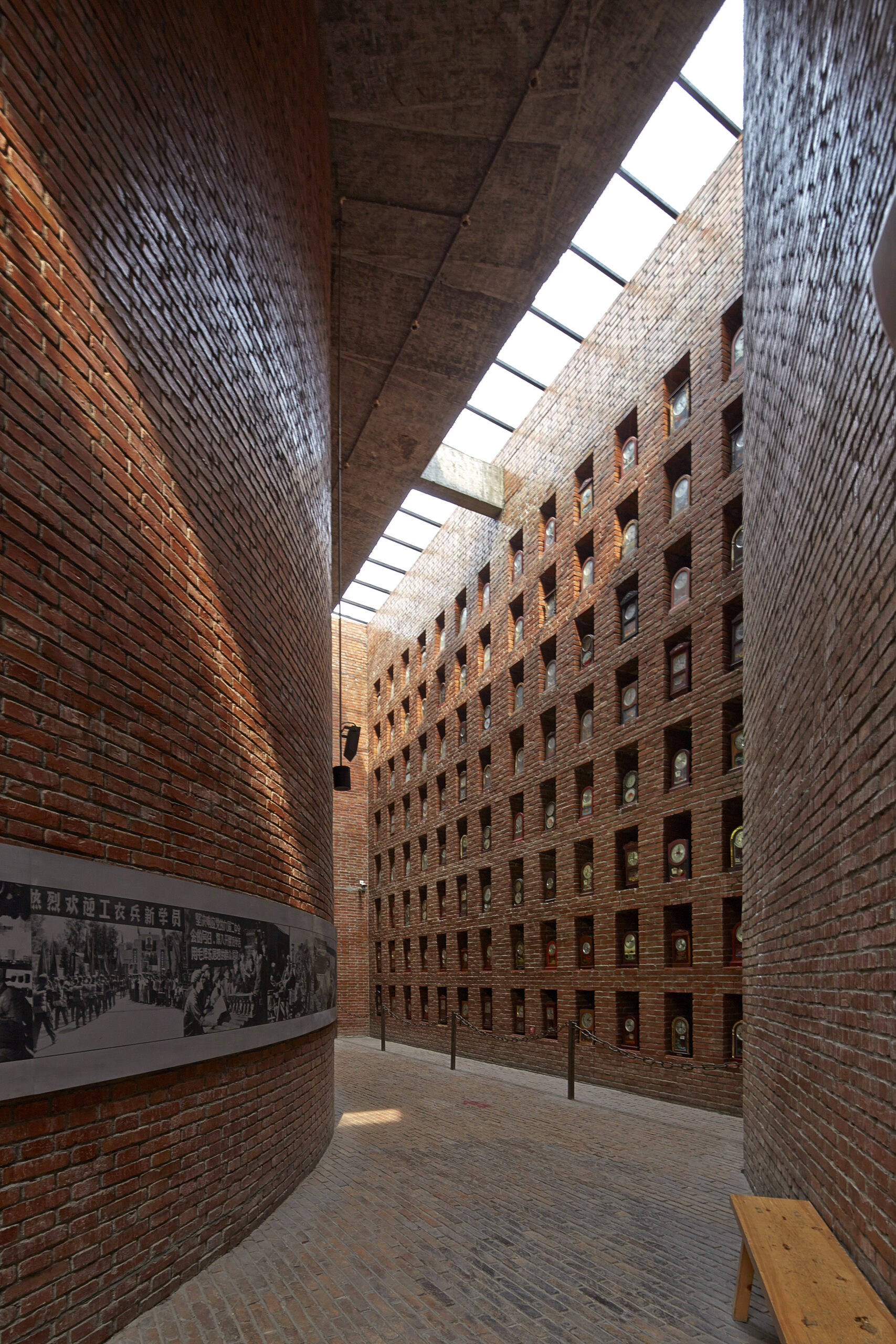
Clock Museum. Photo: Arch-Exist
A turning point came in 1993 when Jiakun visited an architectural exhibition organized by a former classmate. Seeing the projects rekindled his passion for architecture and decided to give it another chance. In 1999, he founded Jiakun Architects in his hometown of Chengdu, marking the beginning of a career that has been internationally recognized for its cultural depth and social awareness.
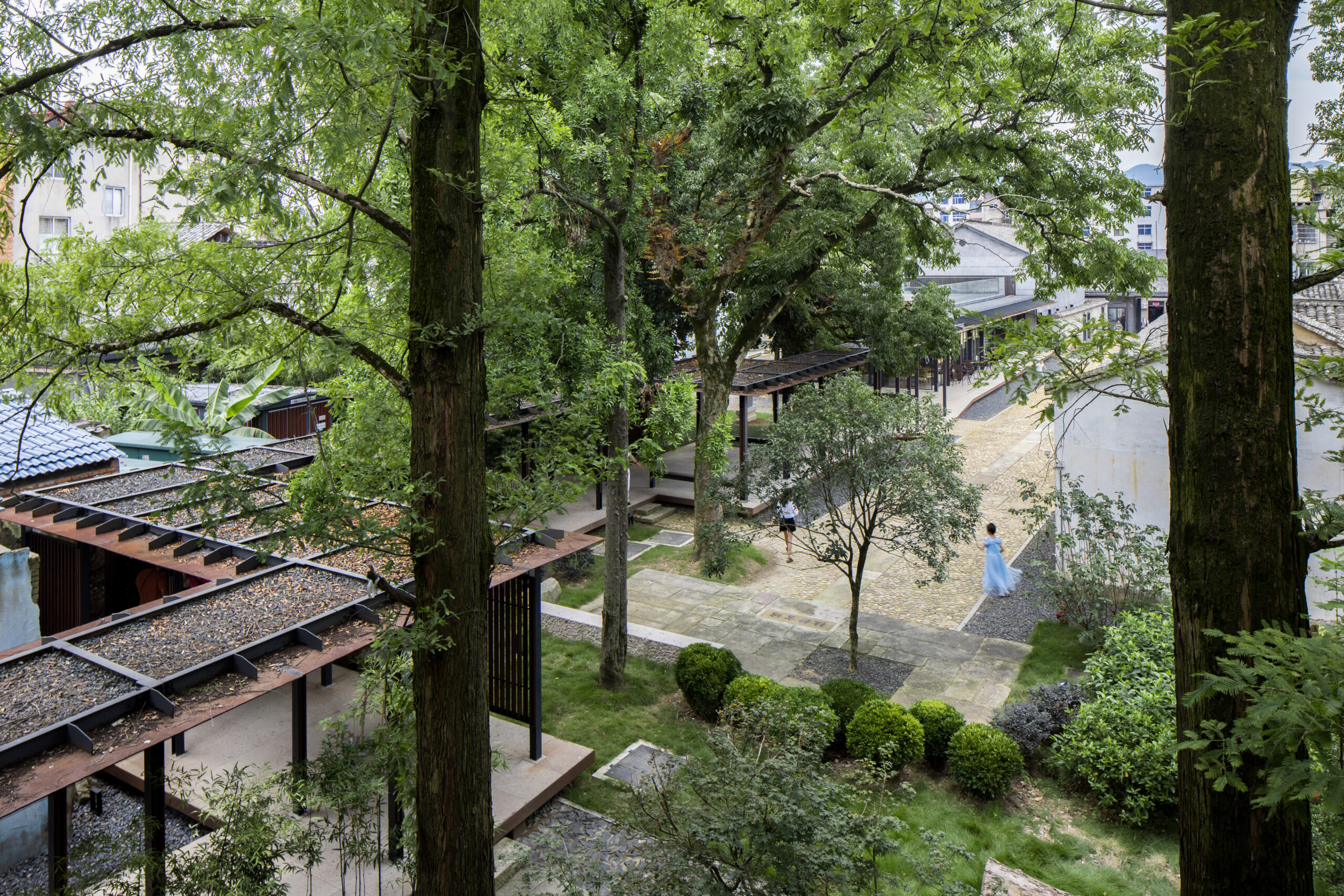
Sunyang Cultural District. Photo: Arch-Exist
His buildings are a reflection of the daily lives of ordinary people and are created with an understanding of place, culture and materiality. Rejecting the pursuit of a fixed architectural style, Jiakun believes in strategy rather than a signature aesthetic, adapting each project to the specific context and needs.
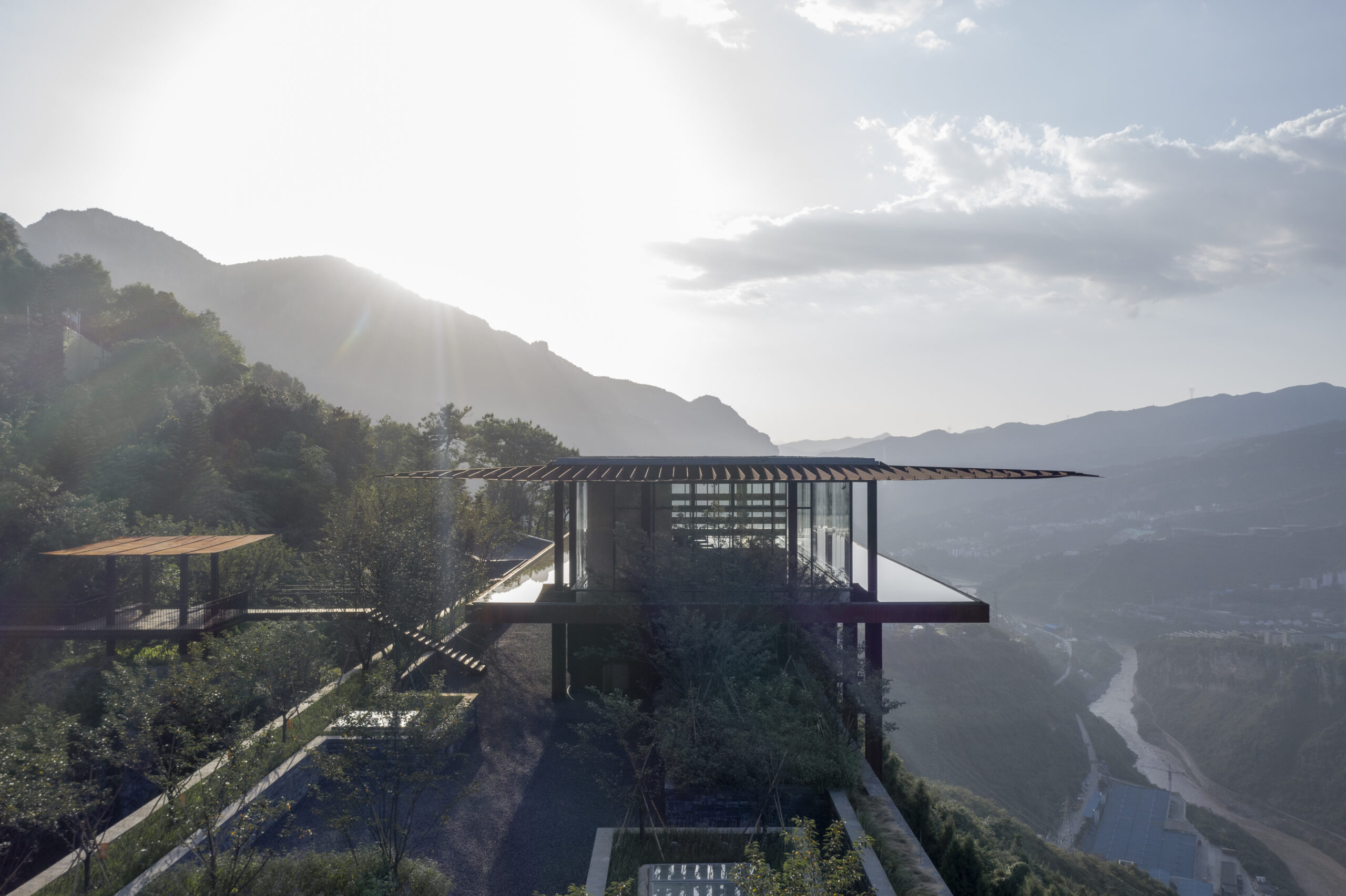
Reconstruction of the Tianbao Cave District of Erlang City. Photo: Arch-Exist
Liu Jiakun draws inspiration from traditional Chinese architecture while simultaneously reinterpreting it. For example, the Suzhou Imperial Kiln Museum (2016) does not copy ancient pavilion structures, but rather uses their spatial qualities, employing modern materials to create a sense of openness, transparency, and historical continuity.
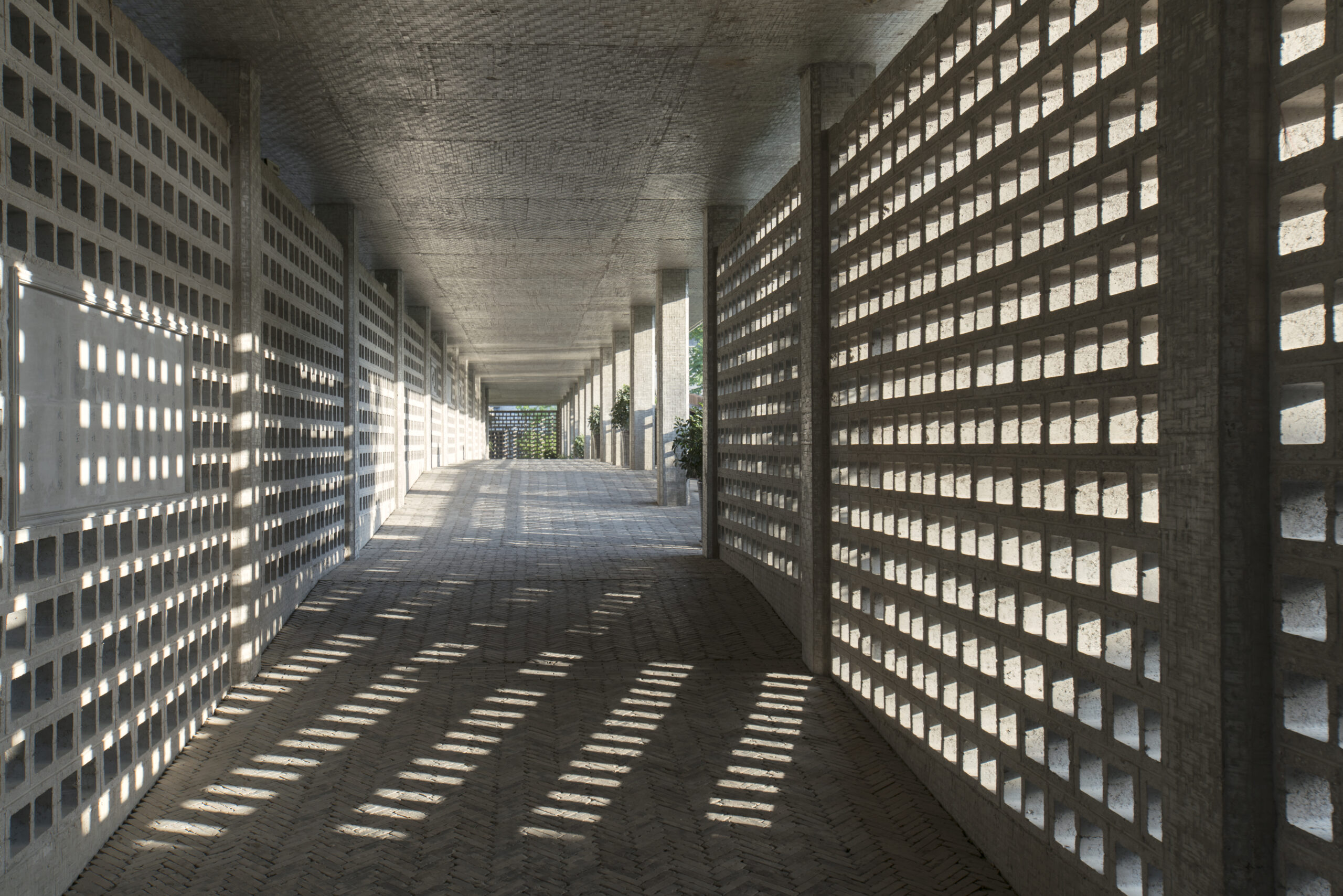
The Imperial Kiln Museum in Suzhou. Photo: Liu Jianem
Similarly, the Luyeyuan Stone Sculpture Art Museum (2002) combines modern museum design with the philosophy of traditional Chinese gardens. Here, courtyards, pathways, and water features create a seamless interplay between architecture and nature.
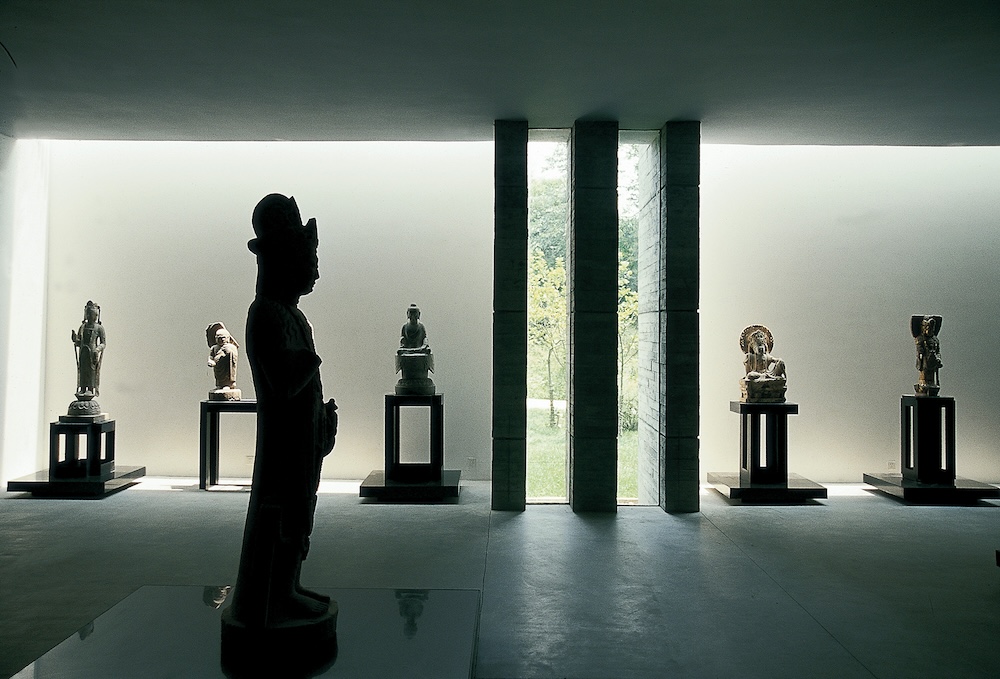
Lueyuan Stone Sculpture Art Museum. Photo: Bi Kejian
The architect's ability to honor tradition without nostalgia sets him apart. He is interested not in recreating the past, but in extracting its wisdom and applying it in a way that remains relevant in modern society.
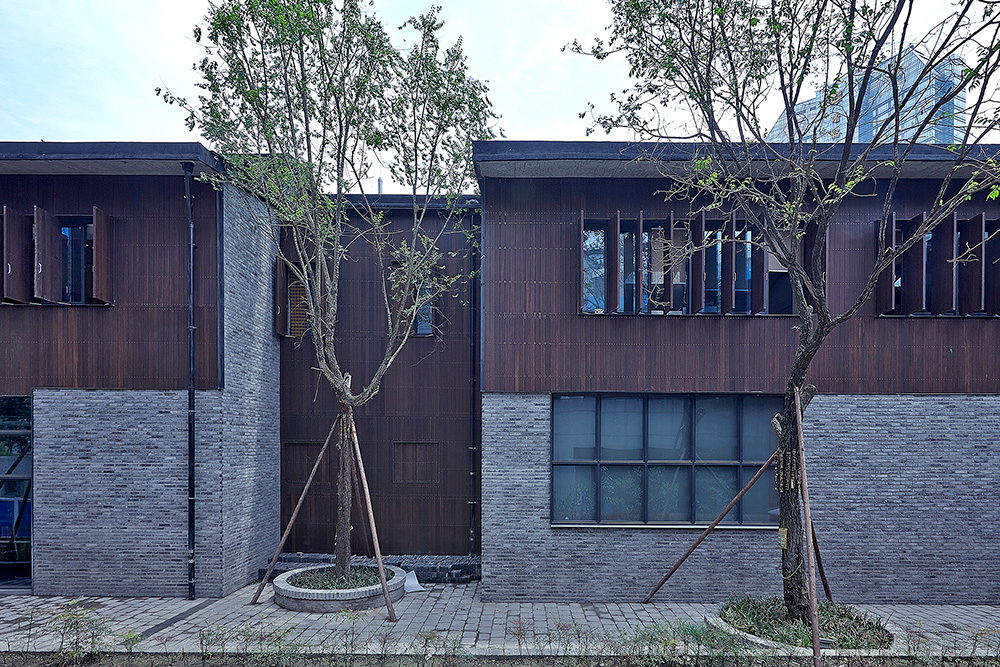
Shuijingfang Museum. Photo: Arch-Exist
After the 2008 Sichuan earthquake devastated vast areas of China, Liu Jiakun responded by proposing an innovative technique for recycling rubble into new building materials. This method, which he called “revival bricks,” allowed communities to rebuild using the remains of destroyed buildings.
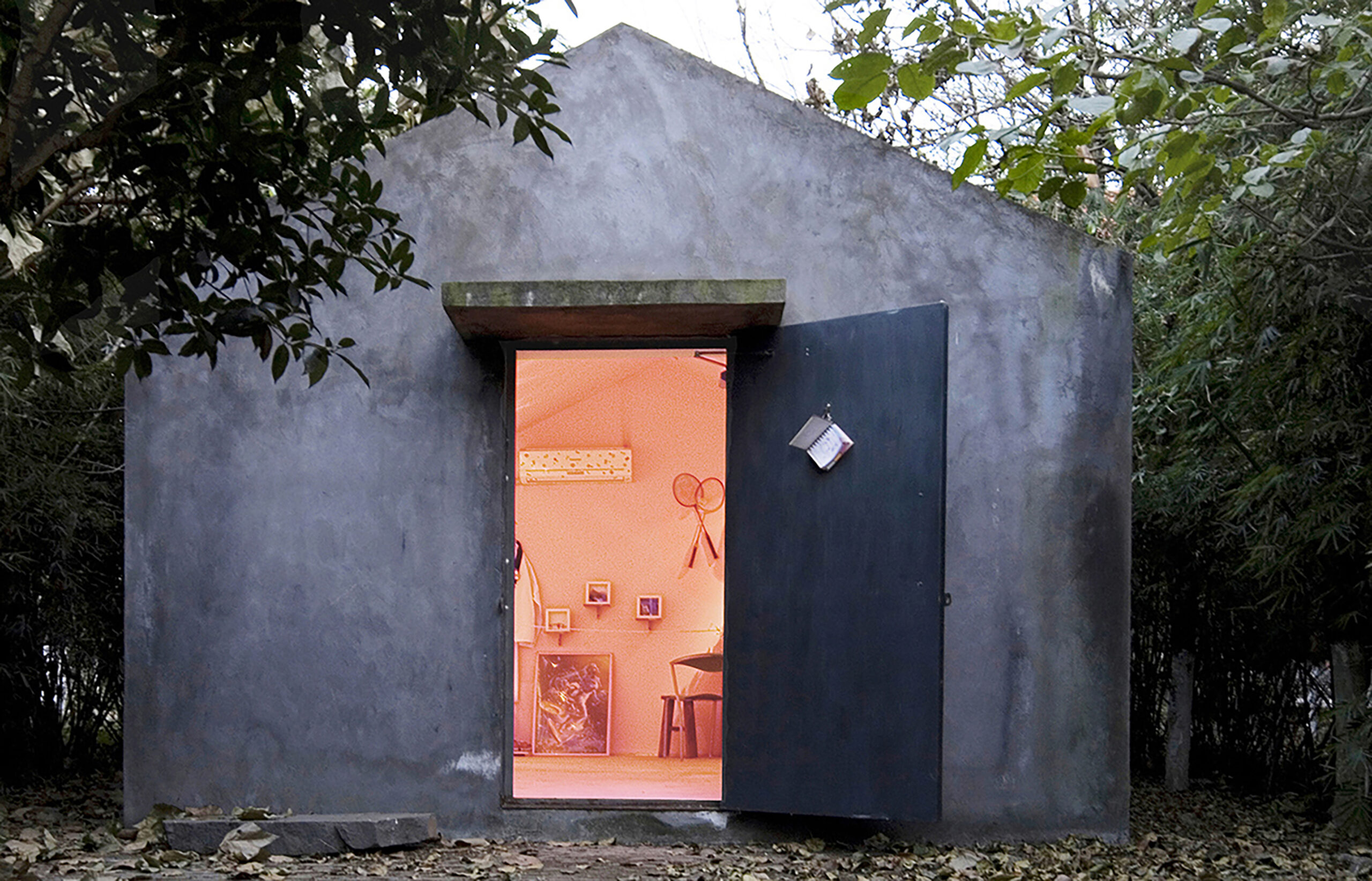
Hu Huishan Memorial. Photo: Jiakun Architects
One of the most powerful applications of this method was the Hu Huishan Memorial (Chengdu, 2009) – a small but deeply meaningful structure dedicated to a 15-year-old girl who died in the earthquake.

Block Novartis (Shanghai). Photo: Arch-Exist
Jiakun’s use of revival bricks extended beyond the earthquake reconstruction. He integrated these recycled materials into other projects such as the Novartis Shanghai Campus, Shui Jing Fang Museum, and Xicun Compound, ensuring that the earthquake’s legacy was not erased, but rather incorporated into the new architecture.
See also:
Winners of the "Award of the National Union of Architects of Ukraine 2024" competition announced
Architect Lina Gottme wins competition to modernize British Museum gallery