
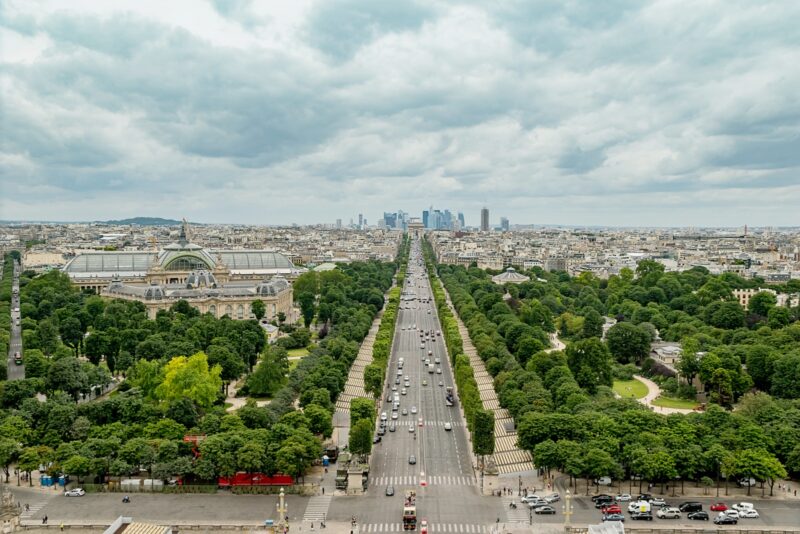
The transformation began in 2018, when the Comité Champs-Élysées commissioned the architectural firm PCA-STREAM to develop a vision for the future of the Champs-Élysées. At that time, the street was increasingly suffering from heavy traffic, noise, air pollution and urban overheating. Due to the dominance of tourist flows and large retail chains, it was gradually losing its importance as a space for the daily life of Parisians, write WhiteMAD.
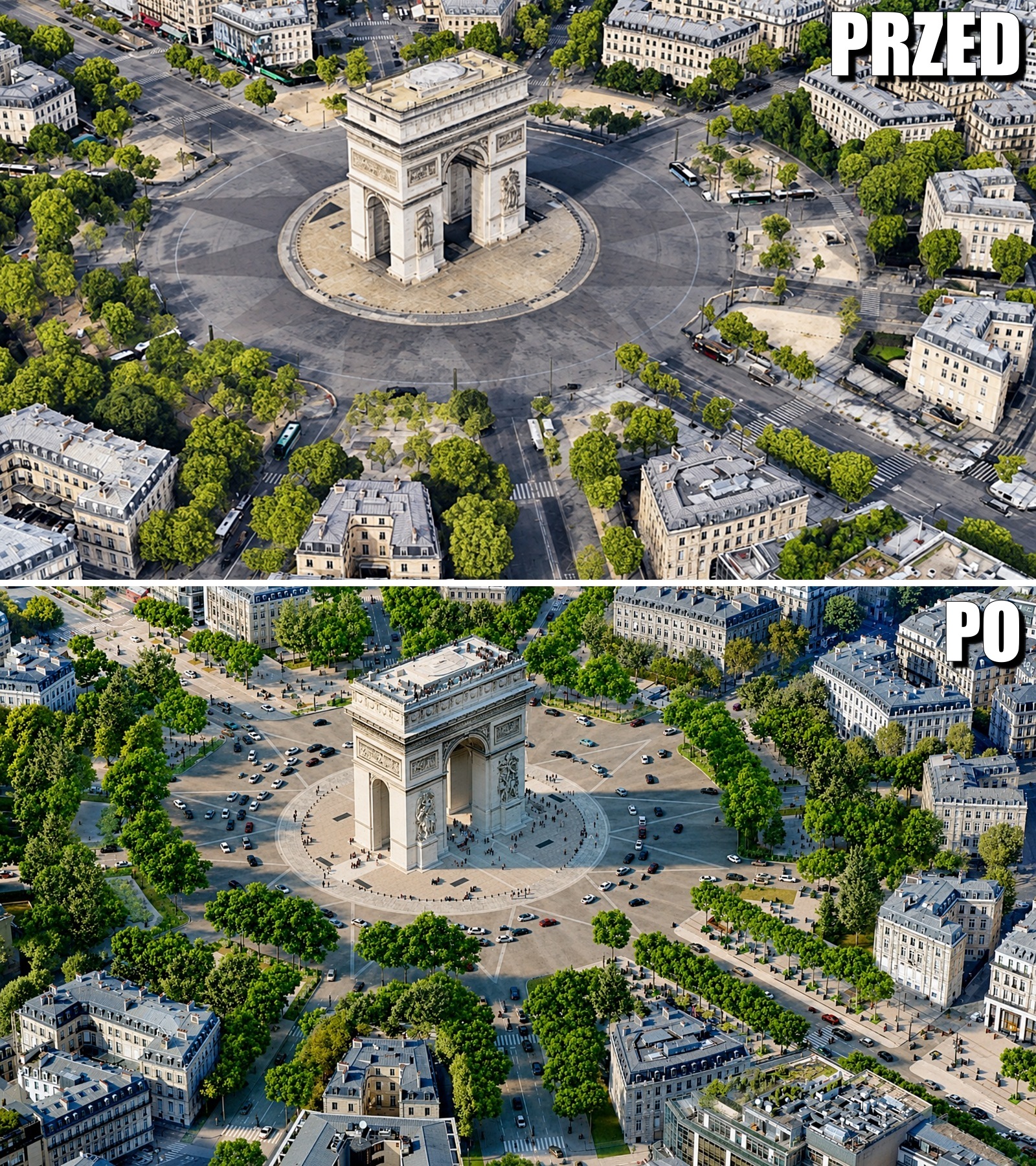
Collage: WhiteMAD
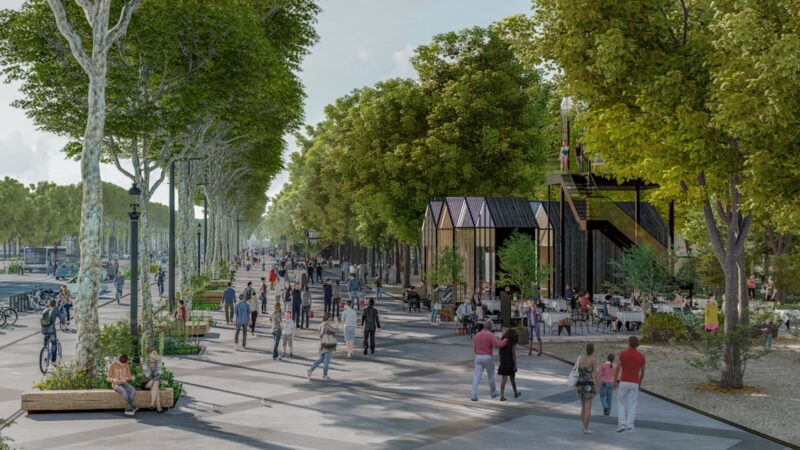
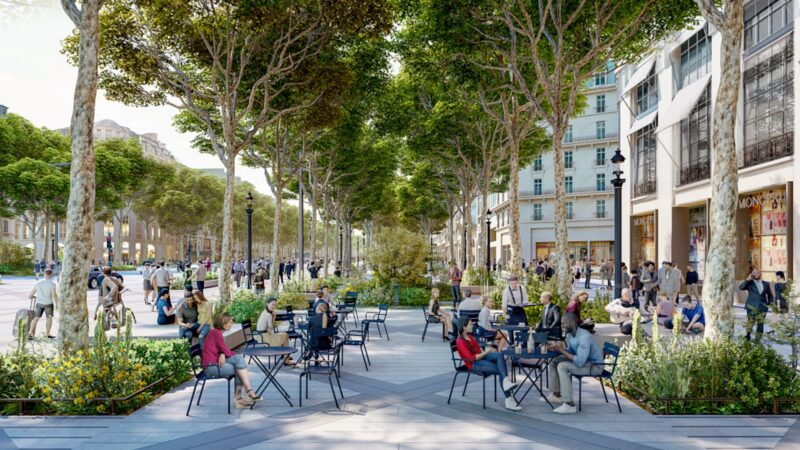
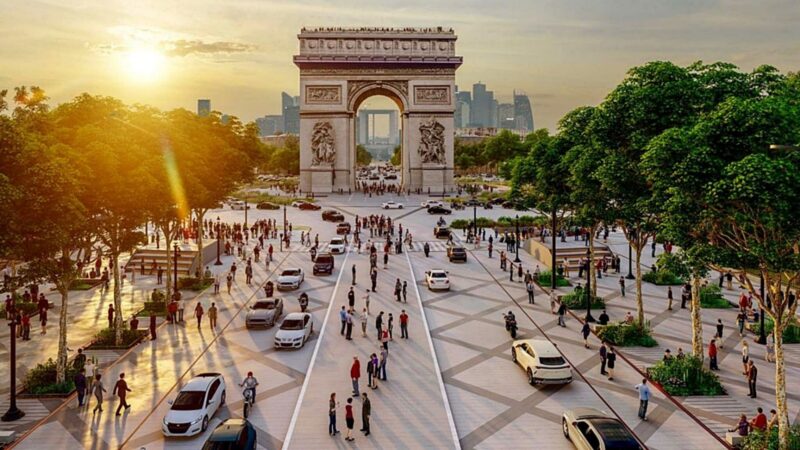
In 2020, architects presented the concept of “Réenchanter les Champs-Élysées” (“Returning the Magic to the Champs-Élysées”). It envisaged a large-scale modernization of the area with an emphasis on nature, mobility, infrastructure and public activities. The most radical proposal was to reduce the number of car lanes by almost half and transform the freed space into pedestrian alleys, bicycle routes and green spaces.
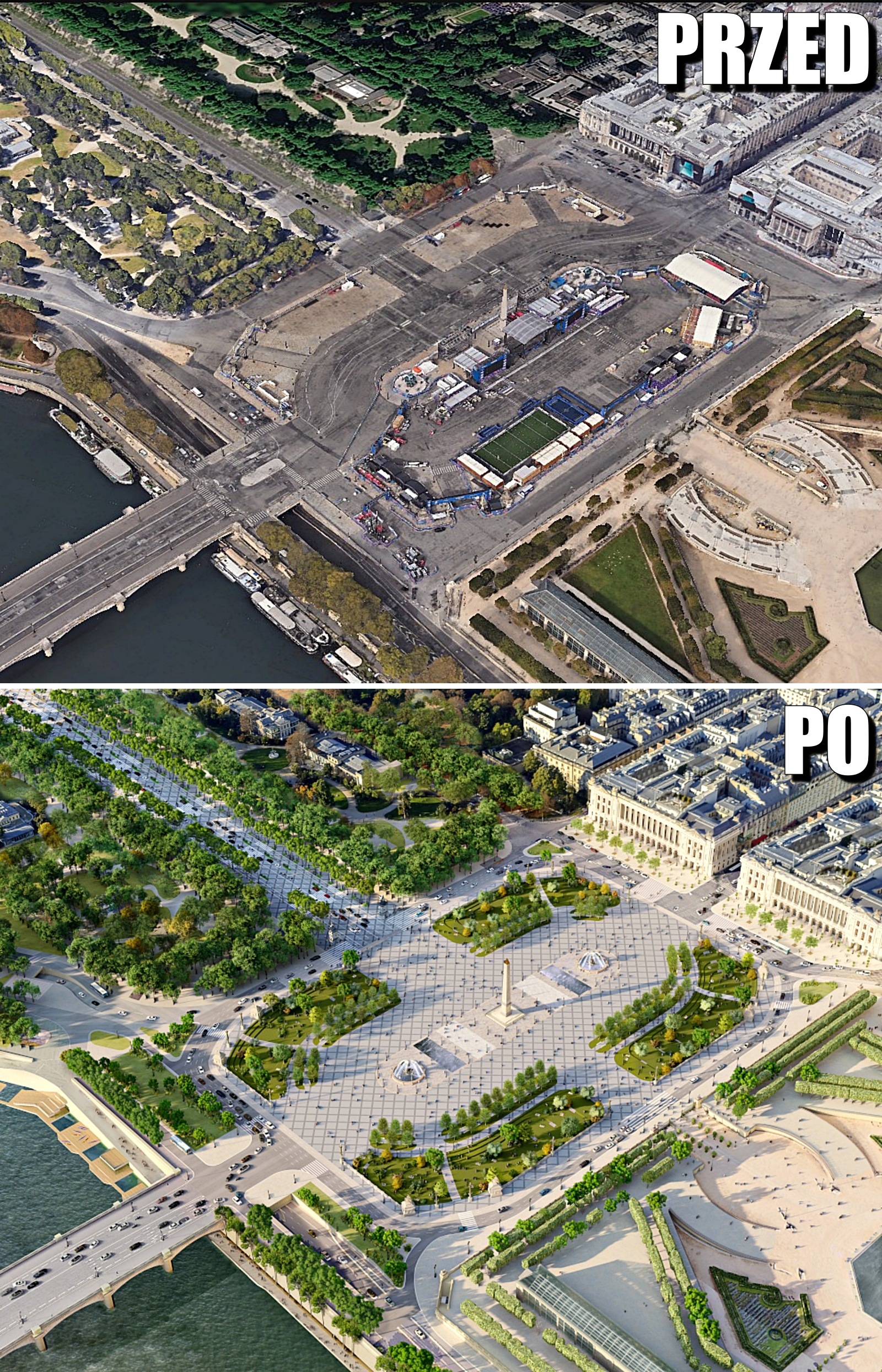
Collage: WhiteMAD
According to the architects' vision, the almost two-kilometer street was to gradually turn into a large city park connecting Zgoda Square and the Arc de Triomphe. The project involved planting new trees, creating rain gardens, lawns, recreation areas, playgrounds, and spaces for cultural events.

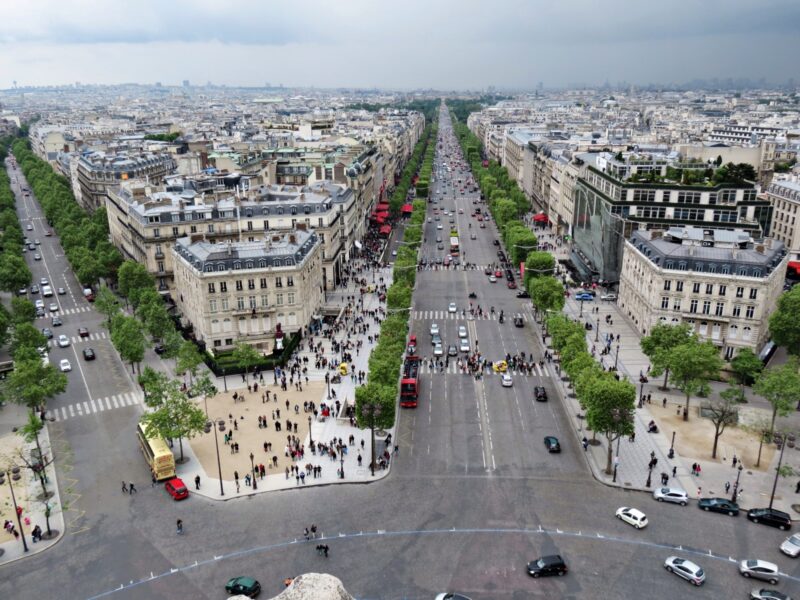
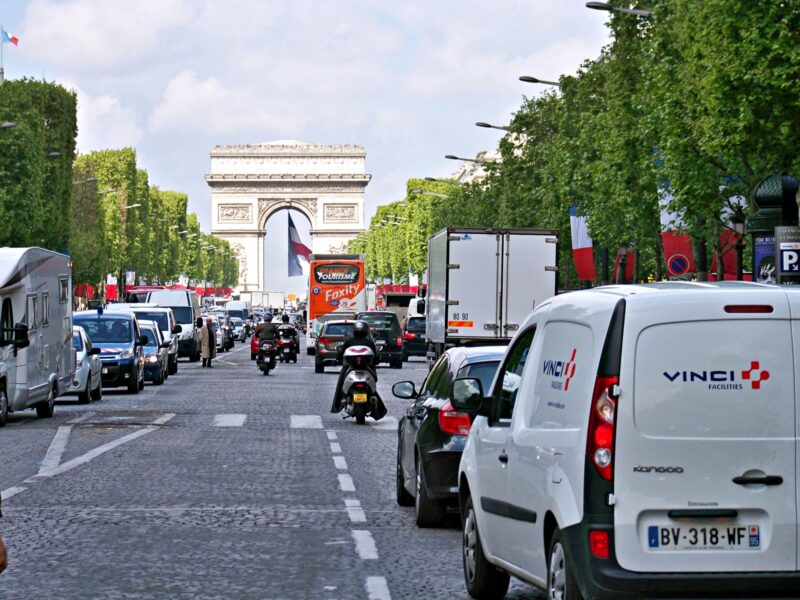
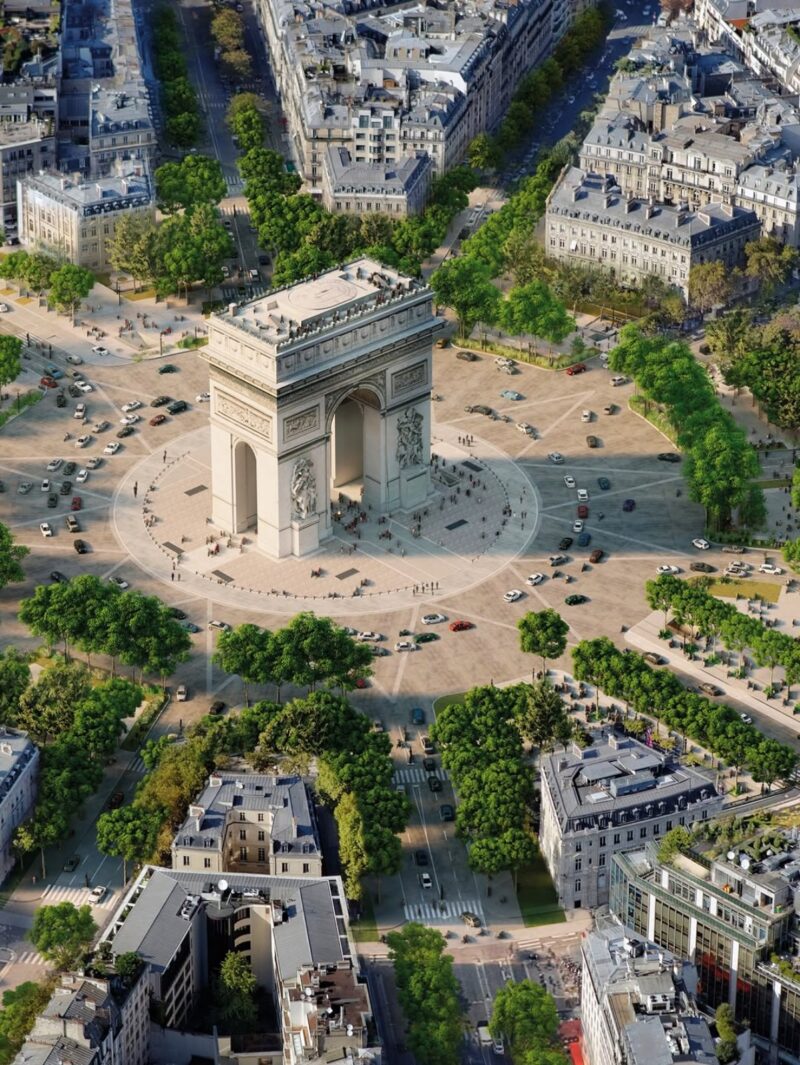
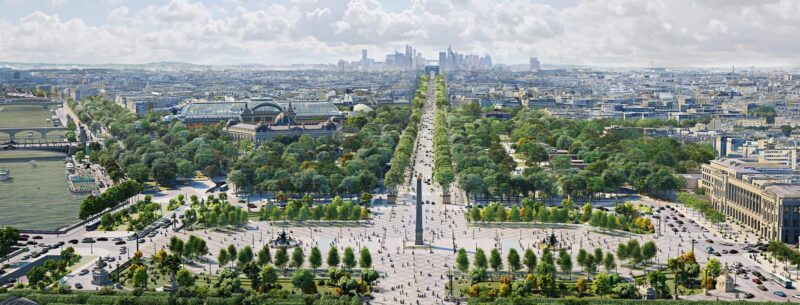
Particular attention was also paid to the reconstruction of the Place de la Concorde. The largest space in Paris, which for decades functioned mainly as a large traffic circle, is to receive more greenery, new pedestrian crossings and a much more comfortable environment for people. The changes also cover the areas around the Arc de Triomphe and the Avenue Grande-Armée, forming a continuous green route from the Louvre to the western districts of the city.
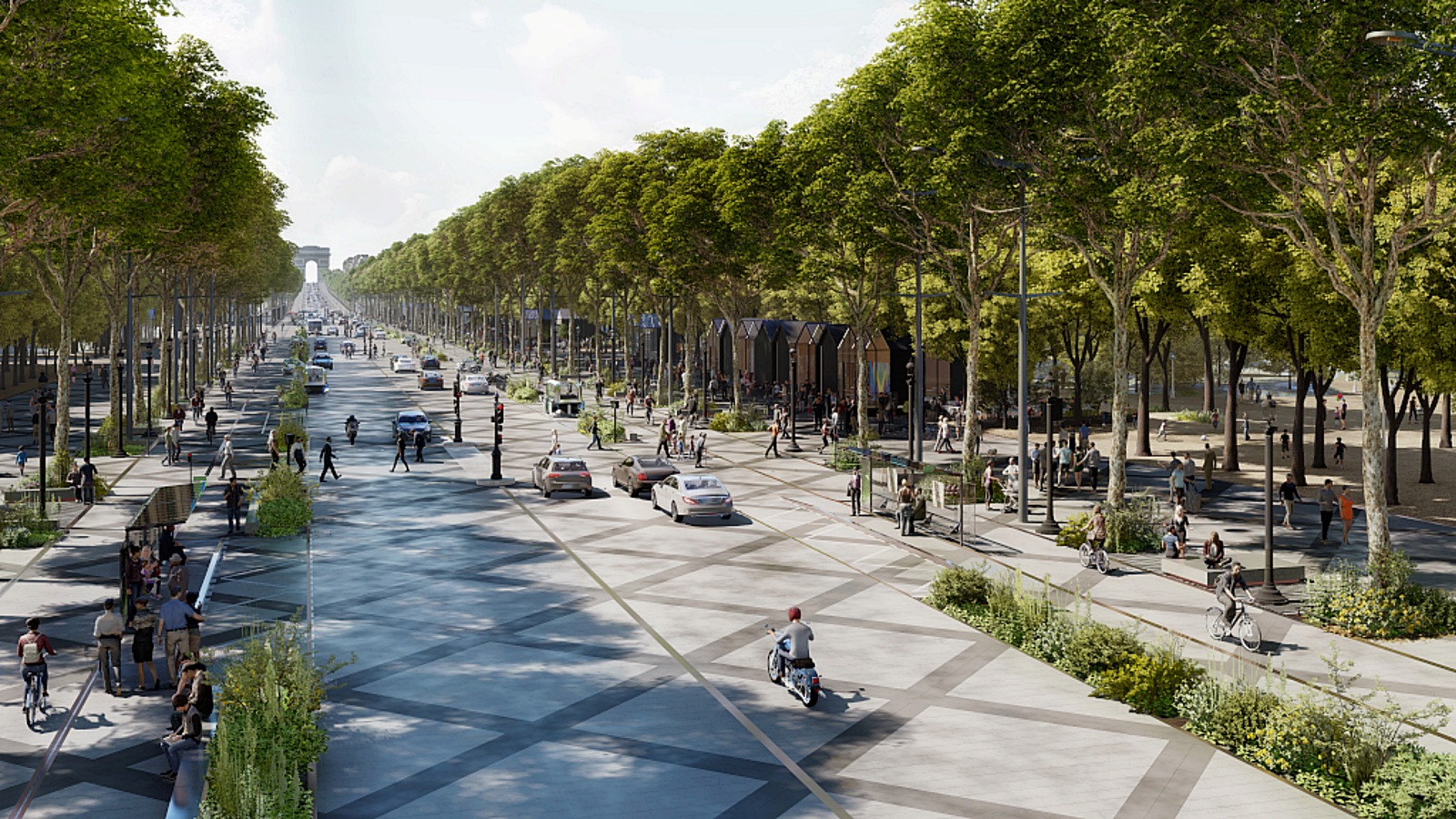
Visualizations: PCA-STREAM
Although the spectacular visualizations presented in 2020 will not be fully implemented, they have become the basis for the further development of urban space. The Mayor of Paris, Anne Hidalgo, has already implemented some of the proposed solutions: before the 2024 Summer Olympics Here, public spaces were renovated, pedestrian areas were expanded, pavements were improved, and a landscaping program was launched.
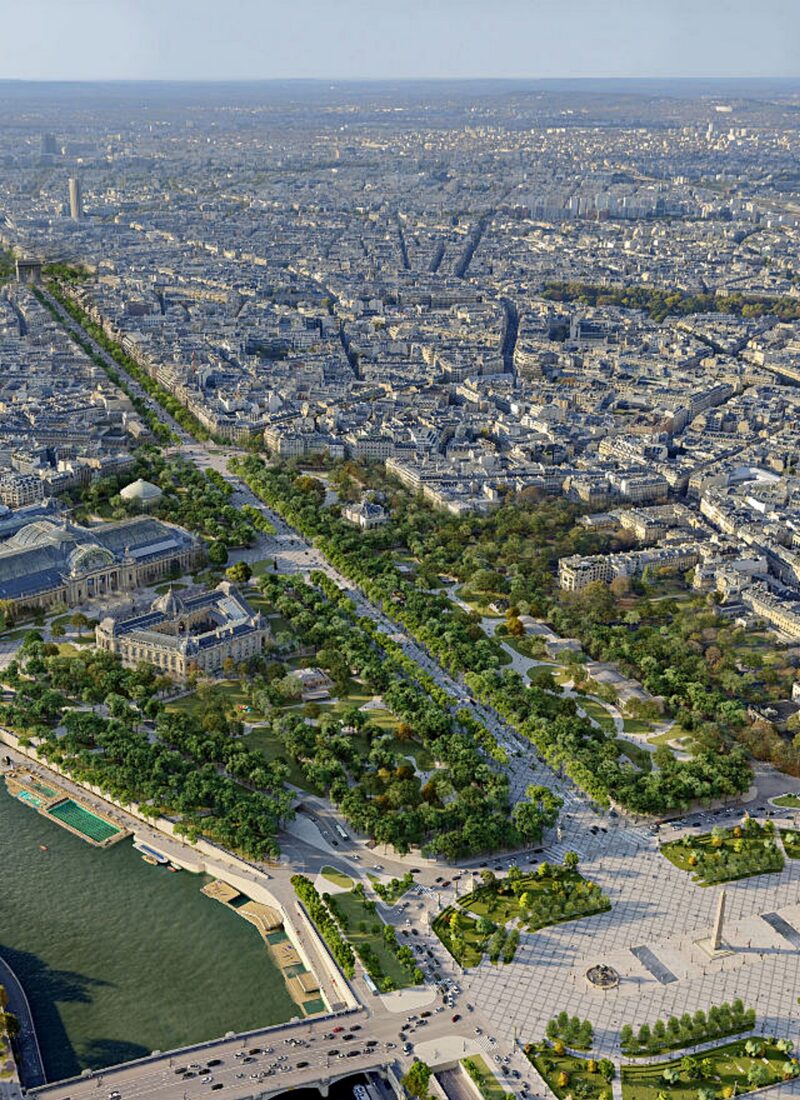
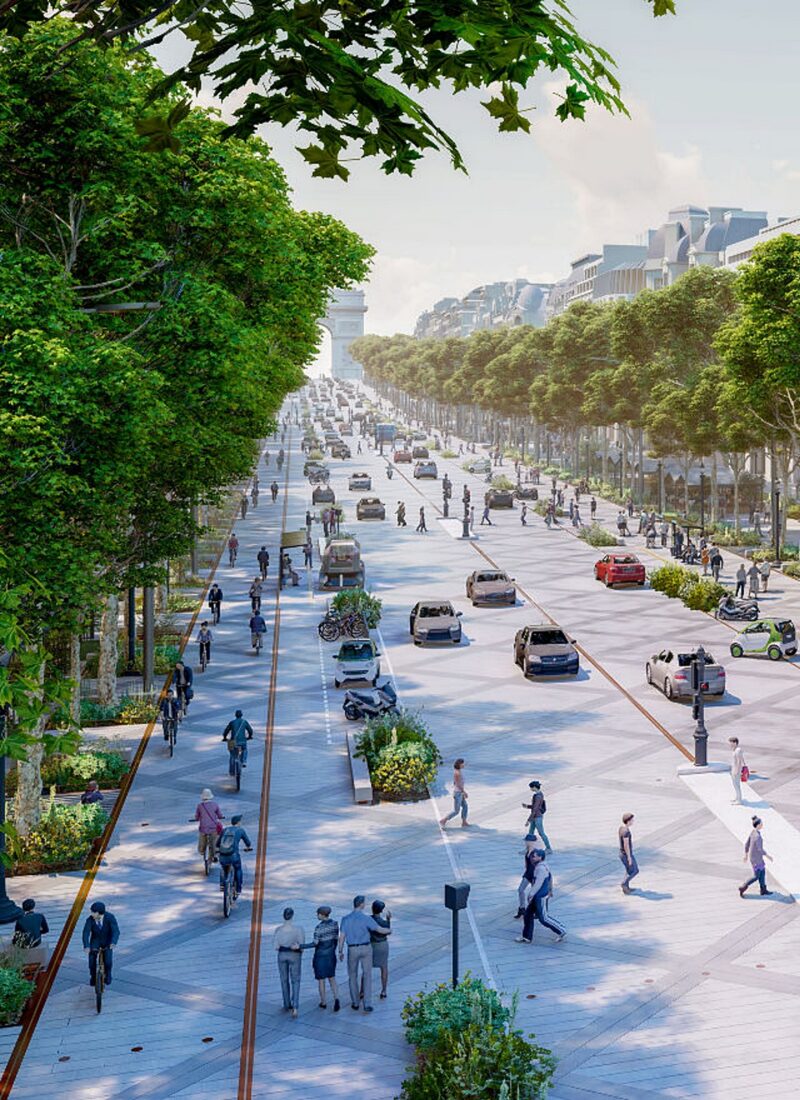
Today, Paris continues to plant new trees, develop cycling infrastructure, and gradually reduce the dependence of central areas on cars. In 2025, a project was also chosen to reconstruct the Place de la Concorde, which develops many of the ideas previously proposed by the PCA-STREAM studio.
Despite adjustments to the initial concept, the main goal of the transformation remains the same: fewer cars, more greenery, and a more comfortable public space for residents and guests of the French capital.
We previously wrote that Paris seeks to gradually become a car-free city: more than 500 streets will be closed to traffic.
See also:
Paris abandons cars in favor of bicycles: how the city has changed its streets in 12 years
Herzog & de Meuron's Tour Triangle skyscraper reaches its maximum height in Paris