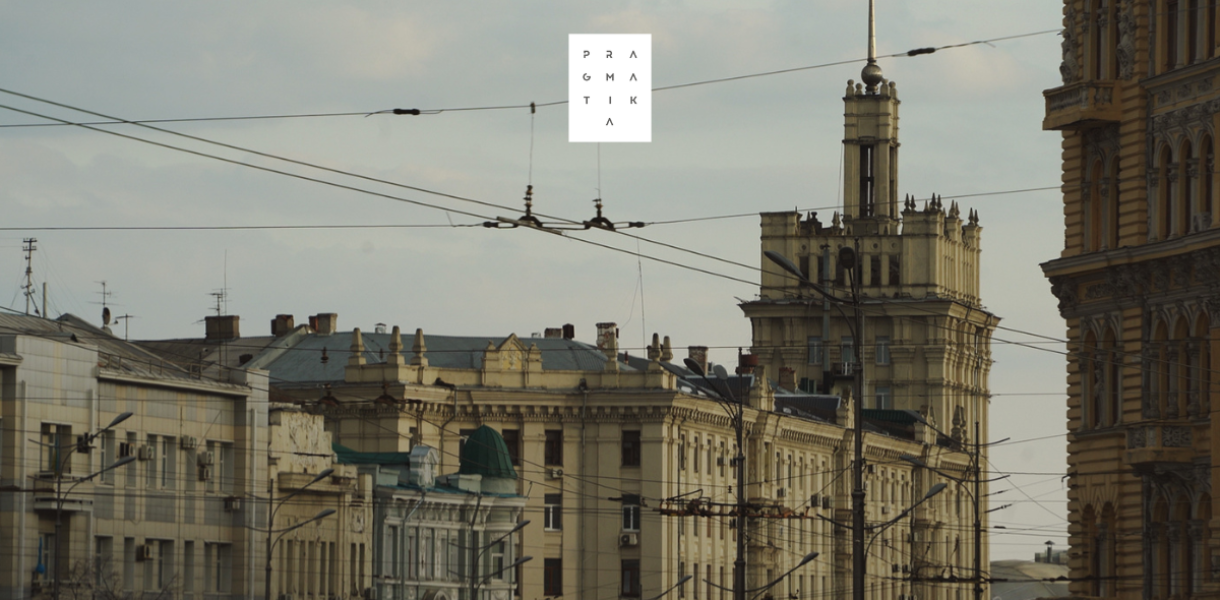
After the full-scale invasion began, Kharkiv suffered extensive destruction. Along with the issue of the city's physical restoration, another issue became particularly acute: what would Kharkiv be like after the war and what exactly was important to preserve.
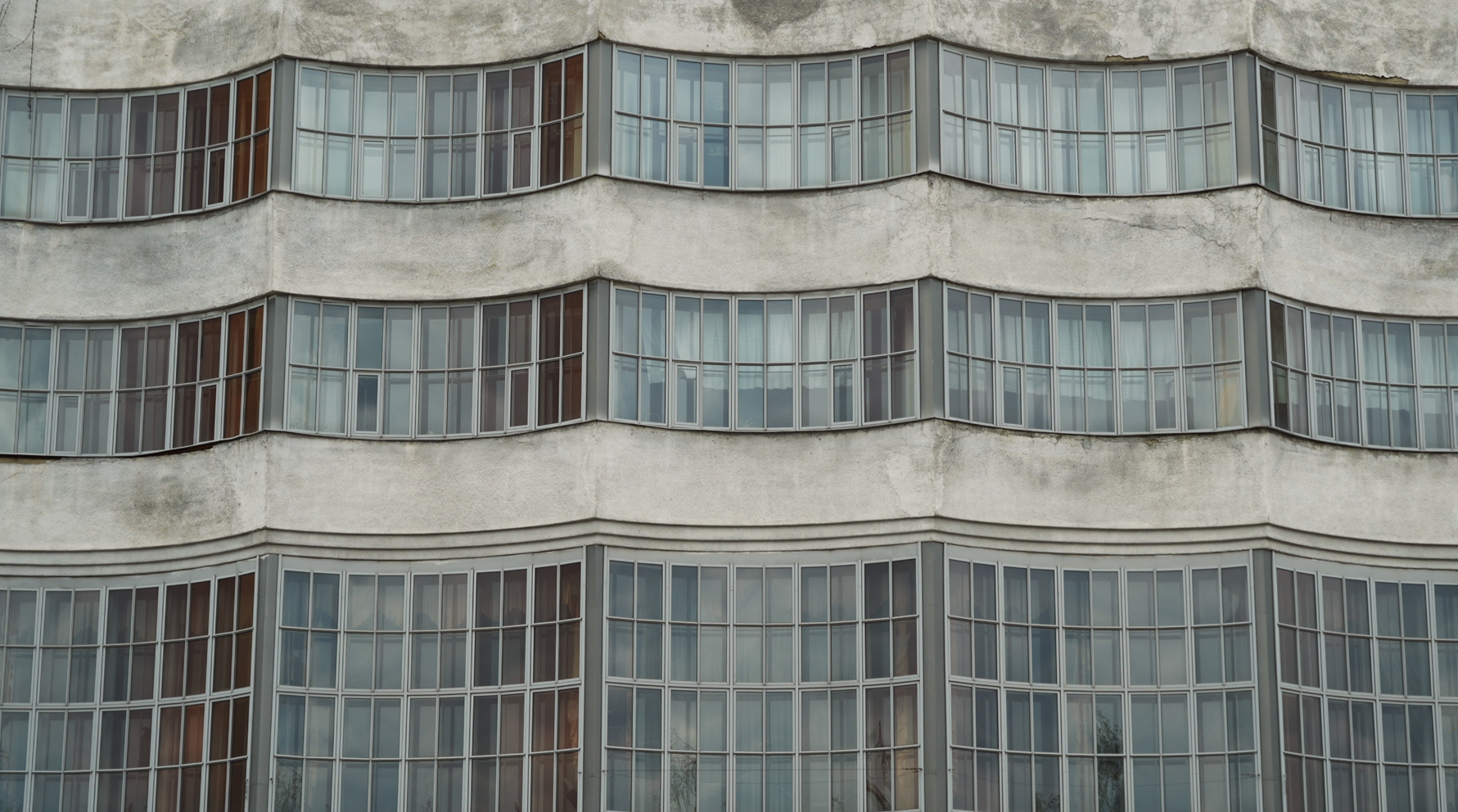
The film's authors emphasize that the city's architectural heritage was destroyed not only due to Russian shelling. For many years, Kharkiv lost historical buildings due to chaotic development, removal of monuments from protection registers, inaction of responsible authorities, and the lack of a systematic approach to preserving the urban environment.
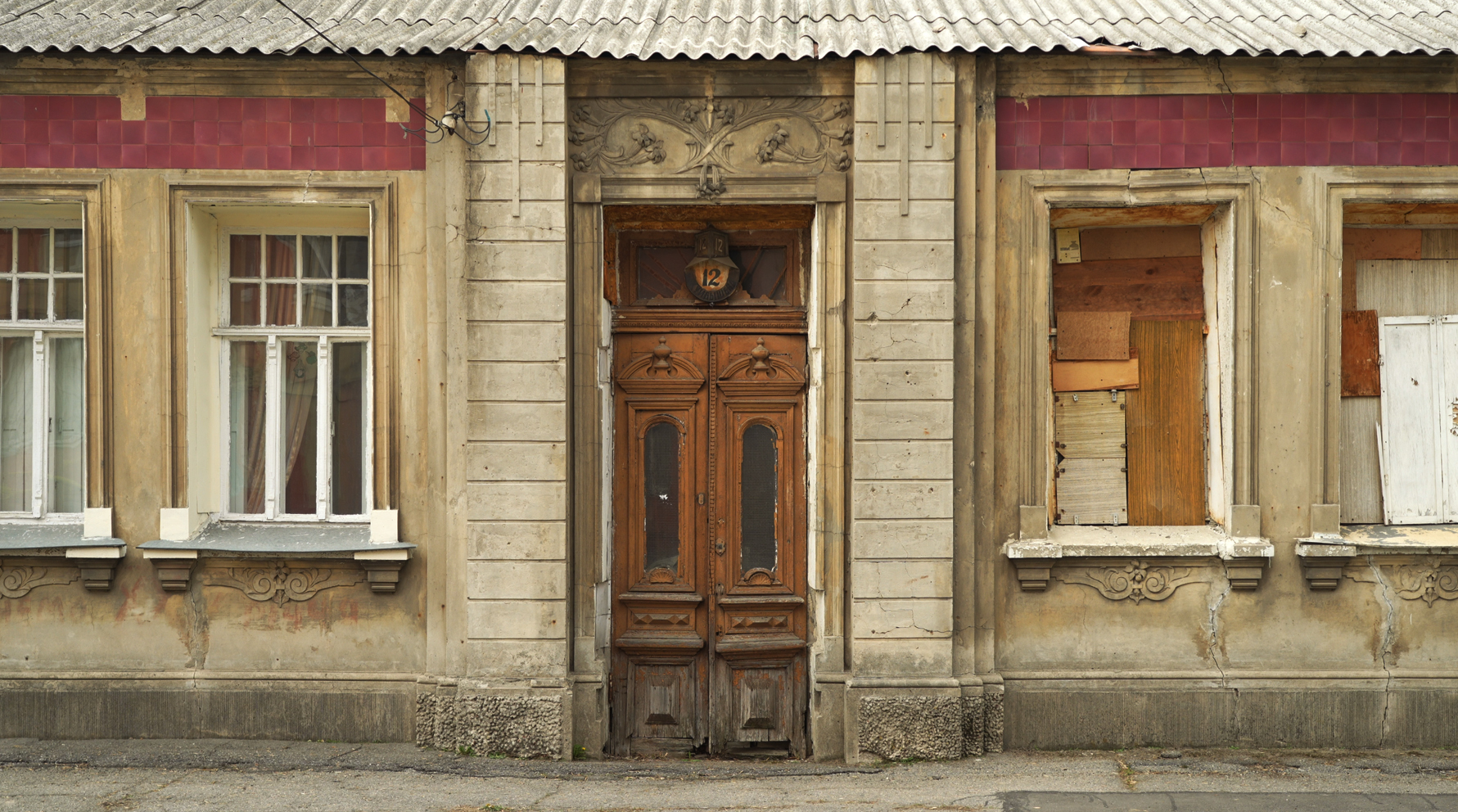
Stills from the film. Photos courtesy of Luke Media
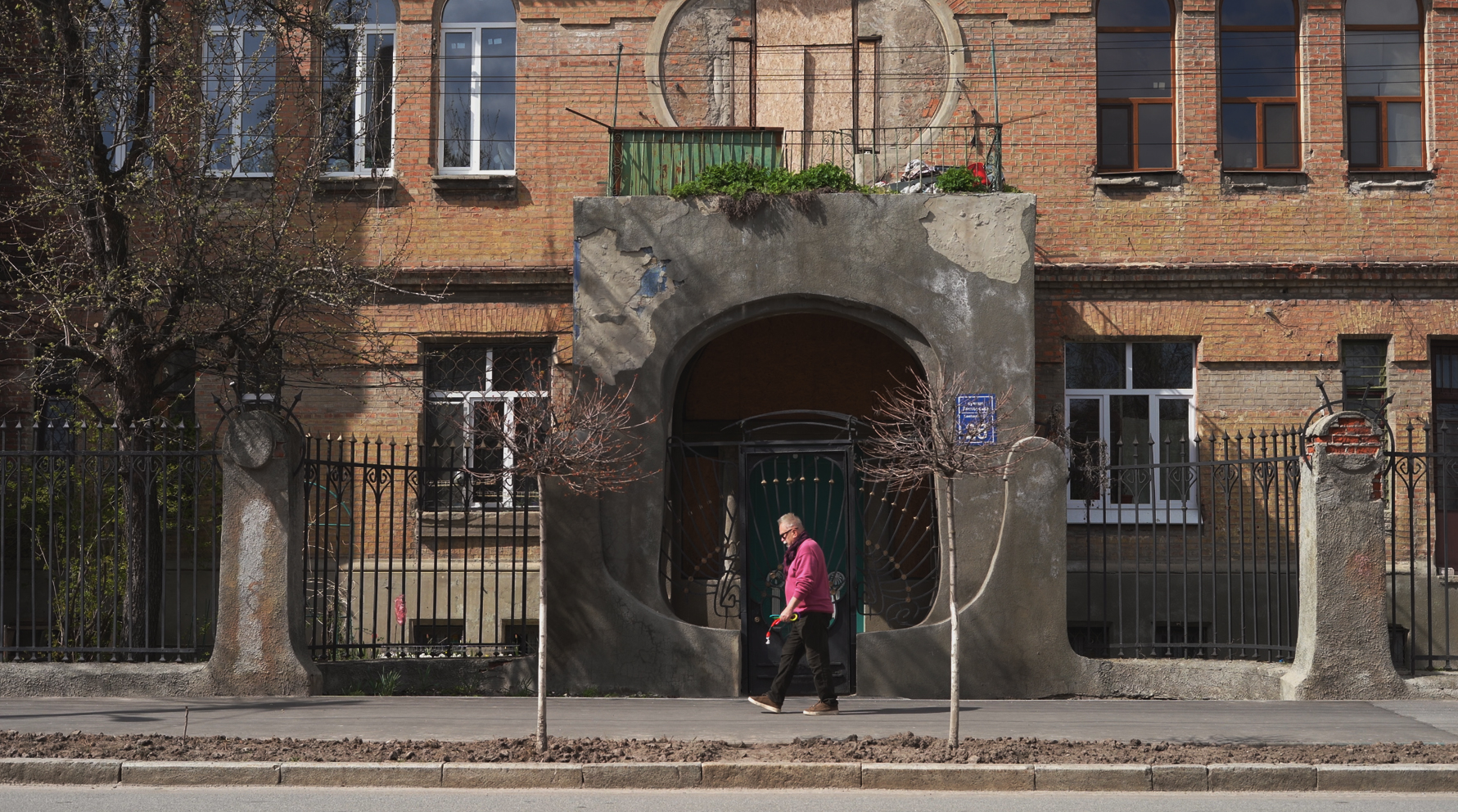
The film raises the question of the value of architecture for the city and its residents, and also shows examples of careful restoration, revitalization, and local initiatives that are working with the city's heritage right now.
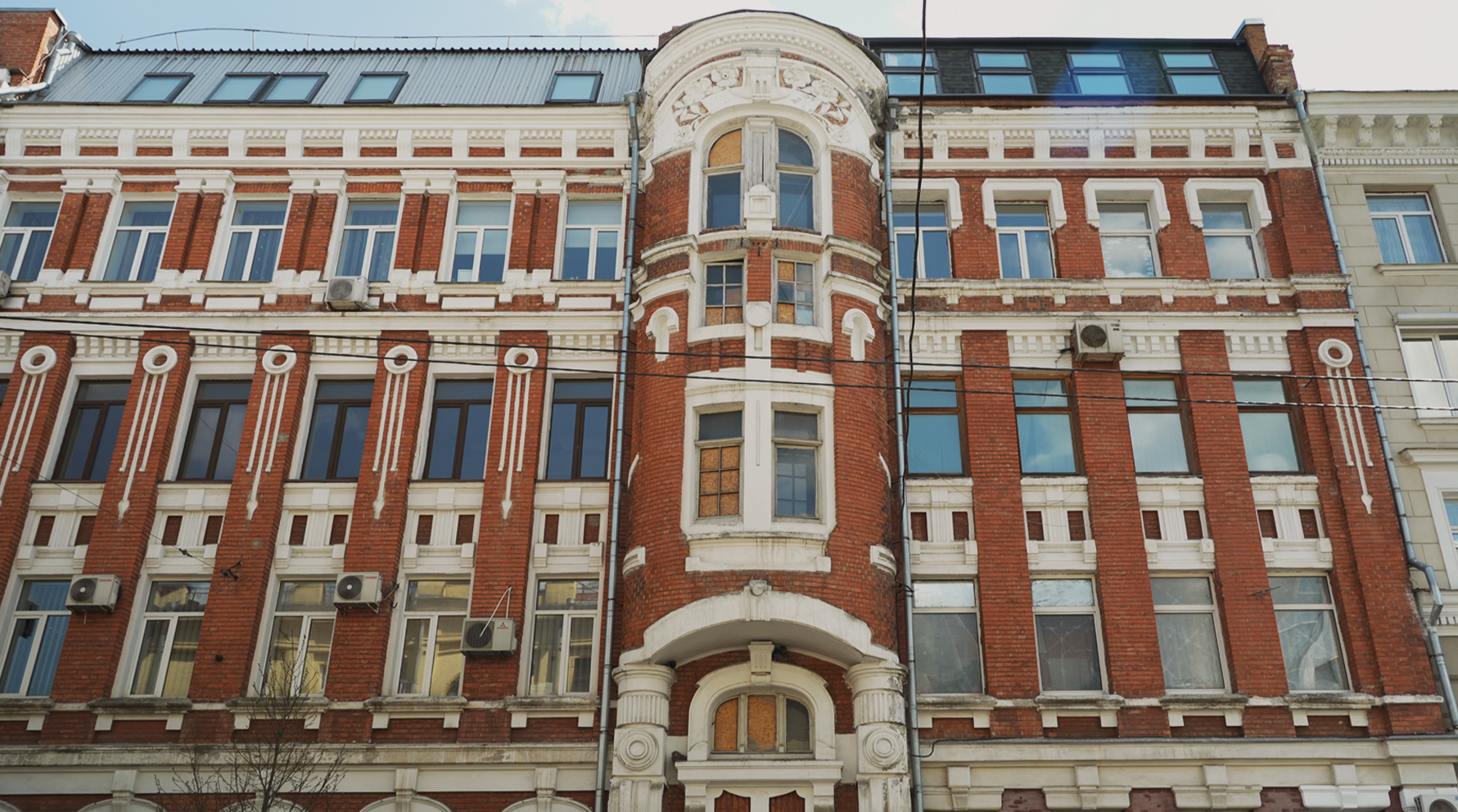
Stills from the film. Photos courtesy of Luke Media
According to director Kateryna Pereverzeva, the team wanted to show that the destruction of Kharkiv's architectural heritage began long before the full-scale war.
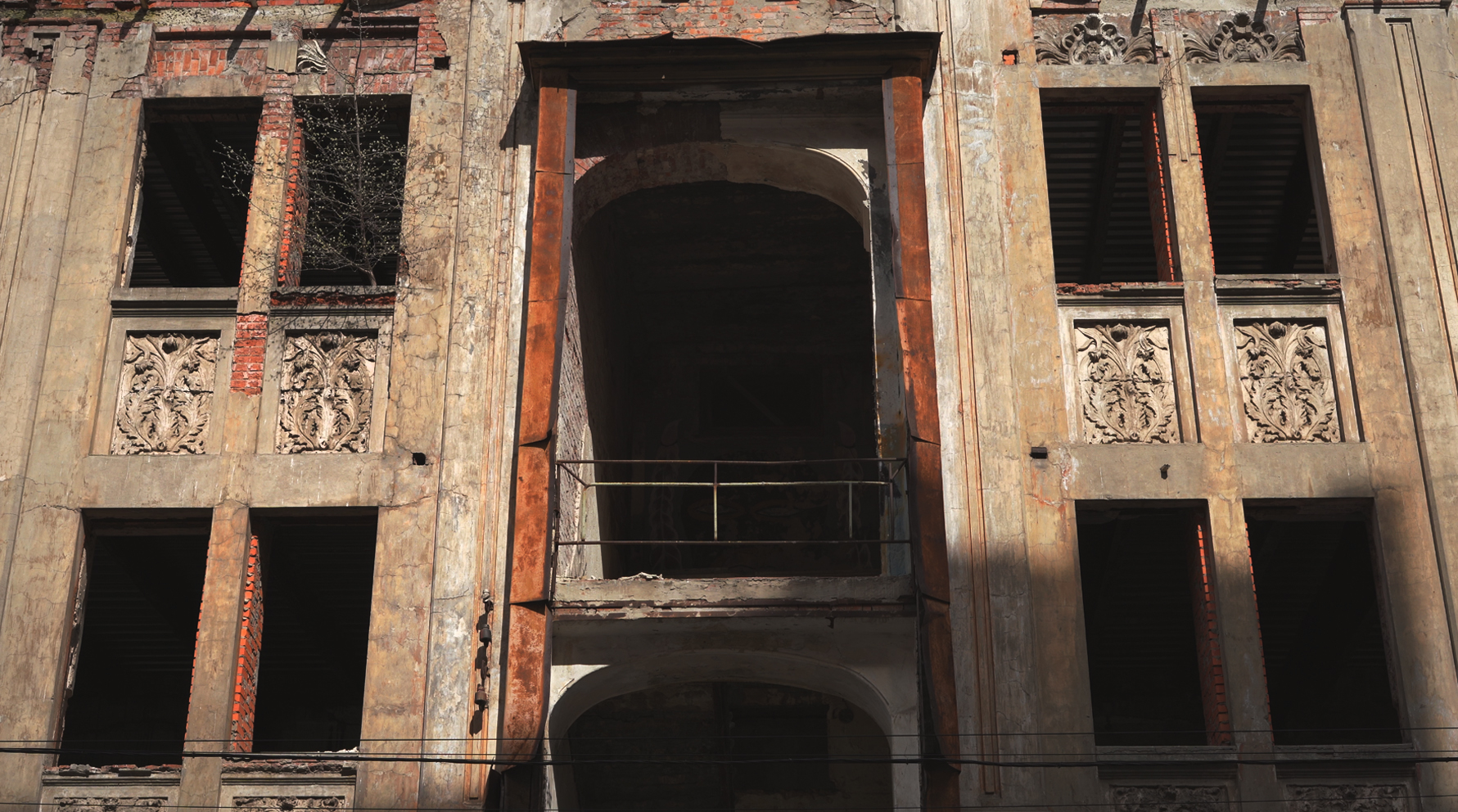
Stills from the film. Photos courtesy of Luke Media
At the same time, the film does not focus only on the theme of loss, but also tells about people who explore the city, restore buildings, and seek new approaches to its recovery.
Stills from the film. Photos courtesy of Luke Media
Movie characters
The heroes of the film were architects, urbanists, researchers, and city residents:
- Viktor Dvornikov, architect-restorer;
- Olga Kleitman, architect, head of SBM studio and author of the reconstruction of Sarzhyny Yar;
- Taras Doronin, CEO Alter Development;
- Yevgeny Lisichkin, economist-analyst of the NGO "Kharkiv Anti-Corruption Center";
- Iryna Goncharova-Bagaliy, great-great-granddaughter of historian Dmytro Bahaliy;
- Sandra Strumskas, architect and co-founder of the dveryki project;
- Olga Sapogova, resident of the house on Divochiya Street.
Stills from the film. Photos courtesy of Luke Media
The film was directed by Kateryna Pereverzeva, produced by Arina Chernobay, and cinematographers Maria Fedchenko and Ivan Samoilov. Vero Yuzepchuk was the director of editing, and Kateryna Pereverzeva and Maria Fedchenko were also involved in editing. Hanna Kucherenko was the visual editor of the project, and Maksym Koval was responsible for the sound.
The film can be viewed at here.
See also:
A historic tram substation in Mykolaiv will be transformed into a cultural space
Kremenchuk bans public use of Russian-language cultural products