The author of the project idea — architect Dmytro Antonyuk — proposed a professional rethinking of Malevich's legacy through modern spatial and design practices.
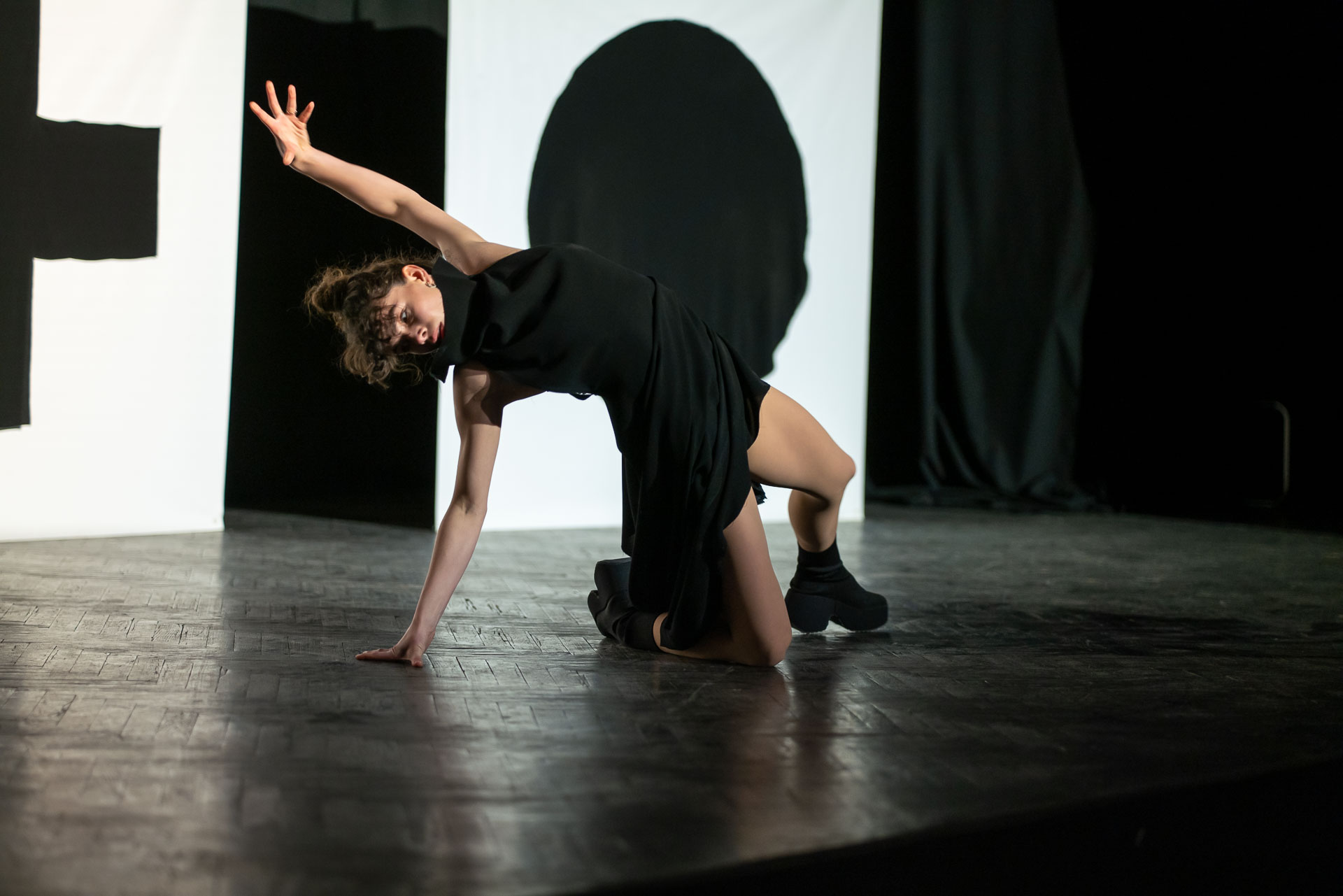
Photo: Oles Badio
The project focuses on Suprematism as a tool for working with form, space, and abstraction, which continues to influence architectural thinking in the 21st century. Participants presented their own interpretations at the intersection of architecture, object design, and olfactory art, exploring the possibilities of translating avant-garde language into a contemporary context.
The project emphasizes Malevich as the author of a new spatial paradigm of modernism. Through the evolution of his work — from early painting to Suprematism — participants examined the transformation of artistic language that formed new principles of working with form and space.
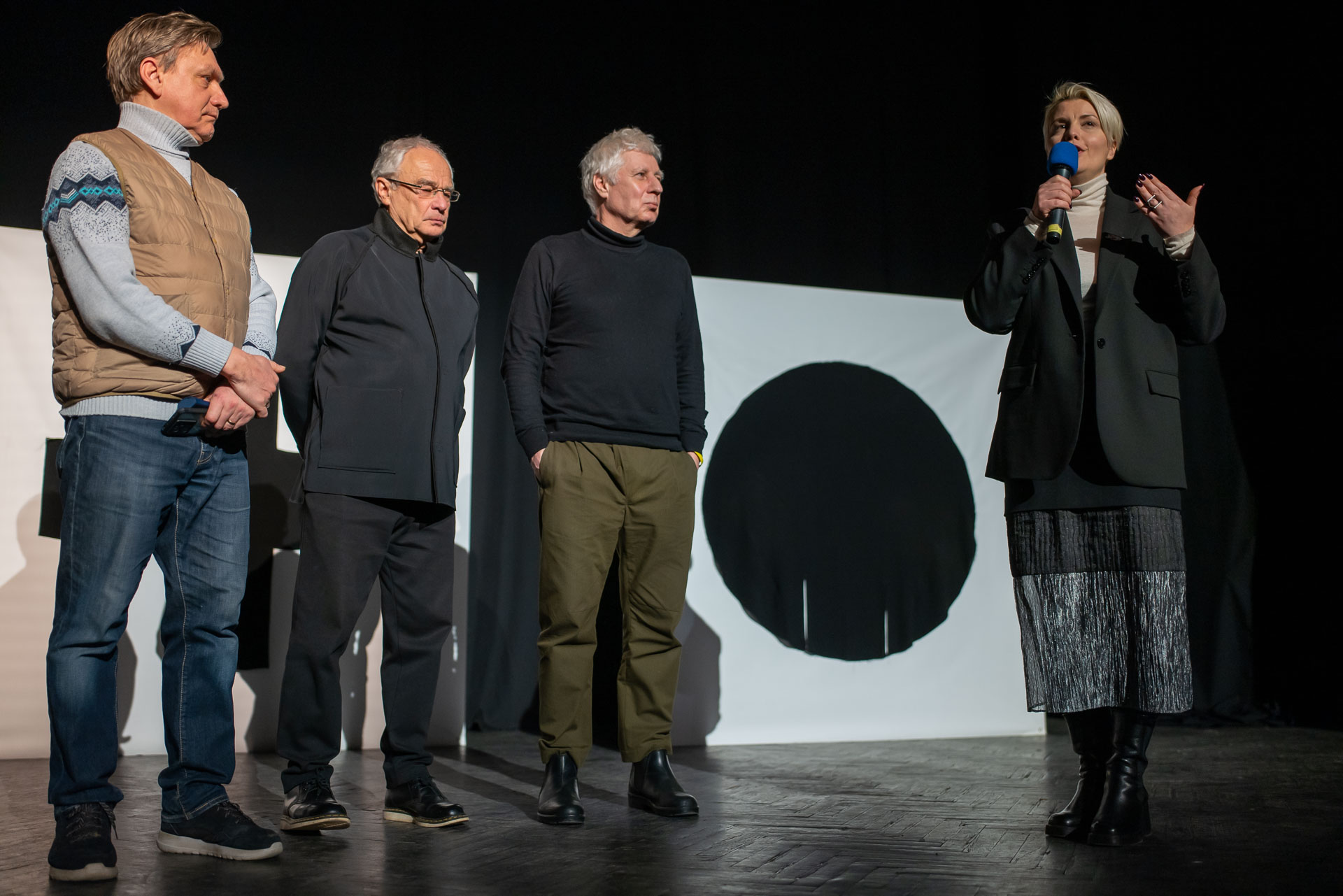
Photo: Oles Badio
The event was an attempt to return Suprematism to the field of current professional discourse as a historical Ukrainian phenomenon, and as a method of thinking relevant to modern architectural and design practices.
Dmytro Antonyuk presented to the audience little-known facts from Malevich's life, his self-portraits, and recalled the artist's years of teaching at the National Academy of Arts and Sciences.
The Ukrainian context of the avant-garde became one of the key focuses of the event. The project actualizes the role of the Ukrainian cultural territory in the formation of modernist practices and returns them to the contemporary international discussion.
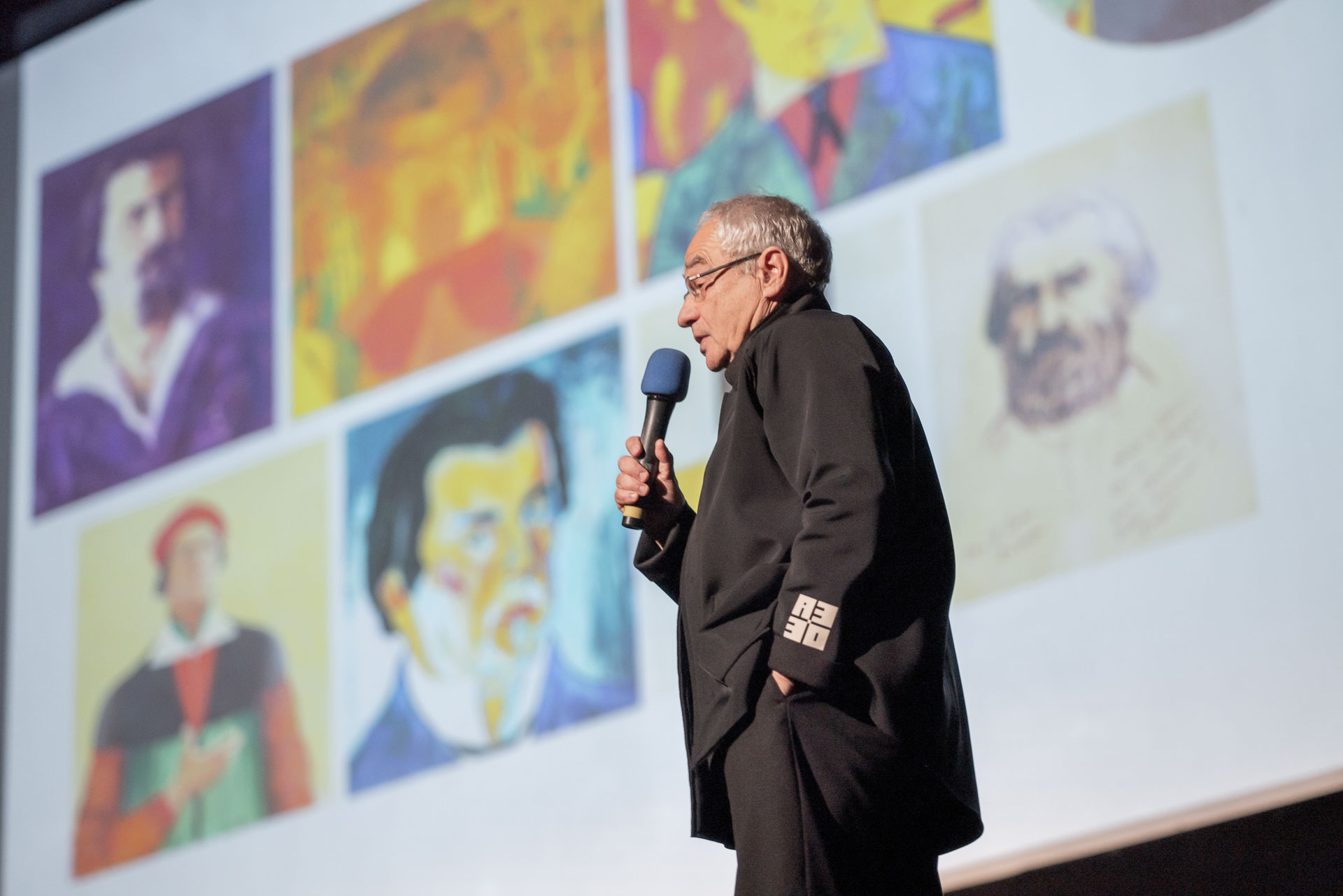
Photo: Oles Badio
The event featured a performative suprematic transformation of an art object — from a work of art to clothing and back to an art object. Fashion designer Fedor Vozianov (brand Vozianov) works with clothing as a language of communication and a tool for modeling a human image.
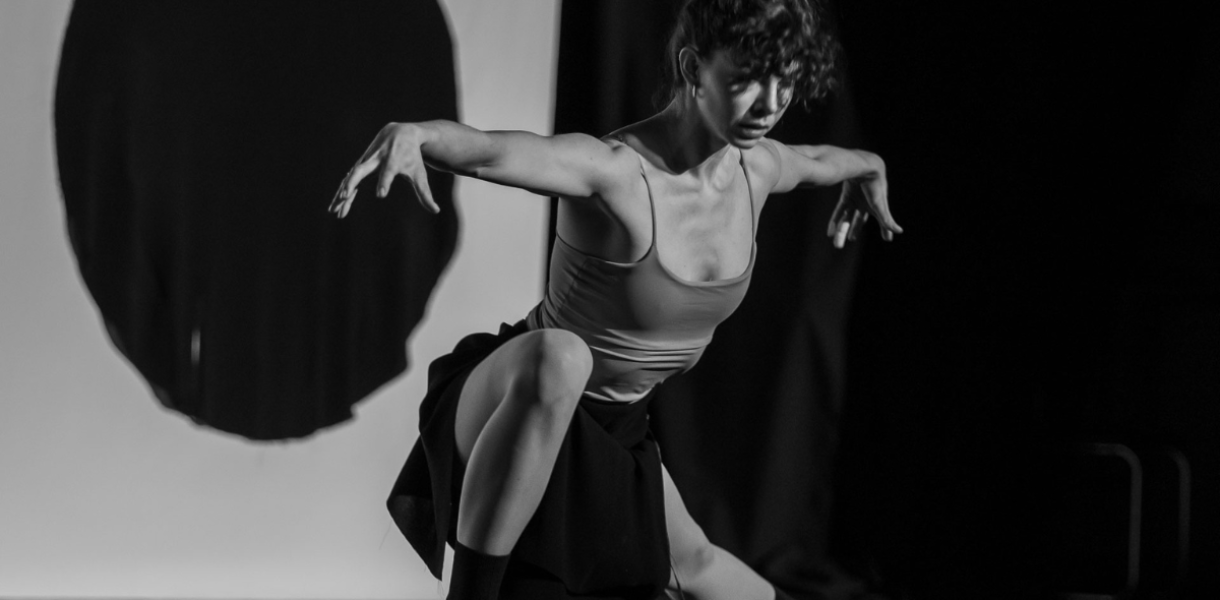
The performance-transformation was realized by the Vozianov brand. Three Suprematist forms — "Black Square", "Black Circle" and "Black Cross" — became costumes for the dancer, who through contemporary plastic arts recreated each form, transforming abstraction into movement and gesture.
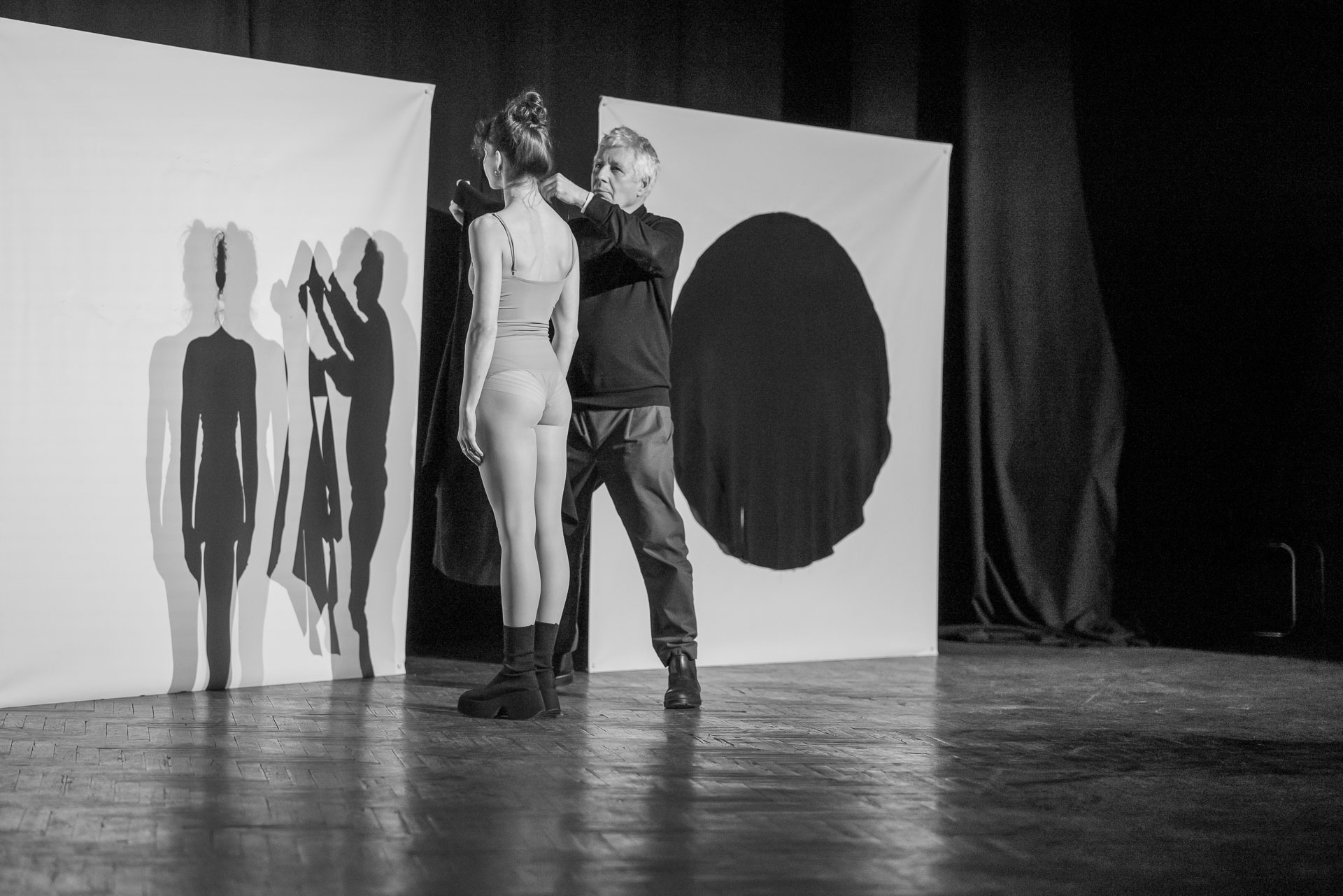
Photo: Oles Badio
A separate topic was an appeal to Malevich's design practice. The participants presented the phenomenon of the bottle created by the artist for the Brocard perfume company in 1908–1910 as an example of early industrial design.
An important part of the project was the presentation of seven original fragrances, which reveal Malevich's life and creative path through a sensory experience:
Birth, Baptism, Earth, Life, Canvas, Black, Immortality.
Each fragrance forms a separate narrative — from bodily primacy to abstraction, purity, and symbolic infinity.
See also:
A zine about the monumental heritage of the North Brovar massif will be published in Kyiv
Rijksmuseum recognizes one of the paintings as an early work by Rembrandt