
According to reported the Andriy Fedoriv on his Facebook, on December 17, the company started Ukrainian production in Bila Tserkva. During this time, they managed to triple productivity. In the future, the plant will process 1000 to 2000 tons of plastic per year.
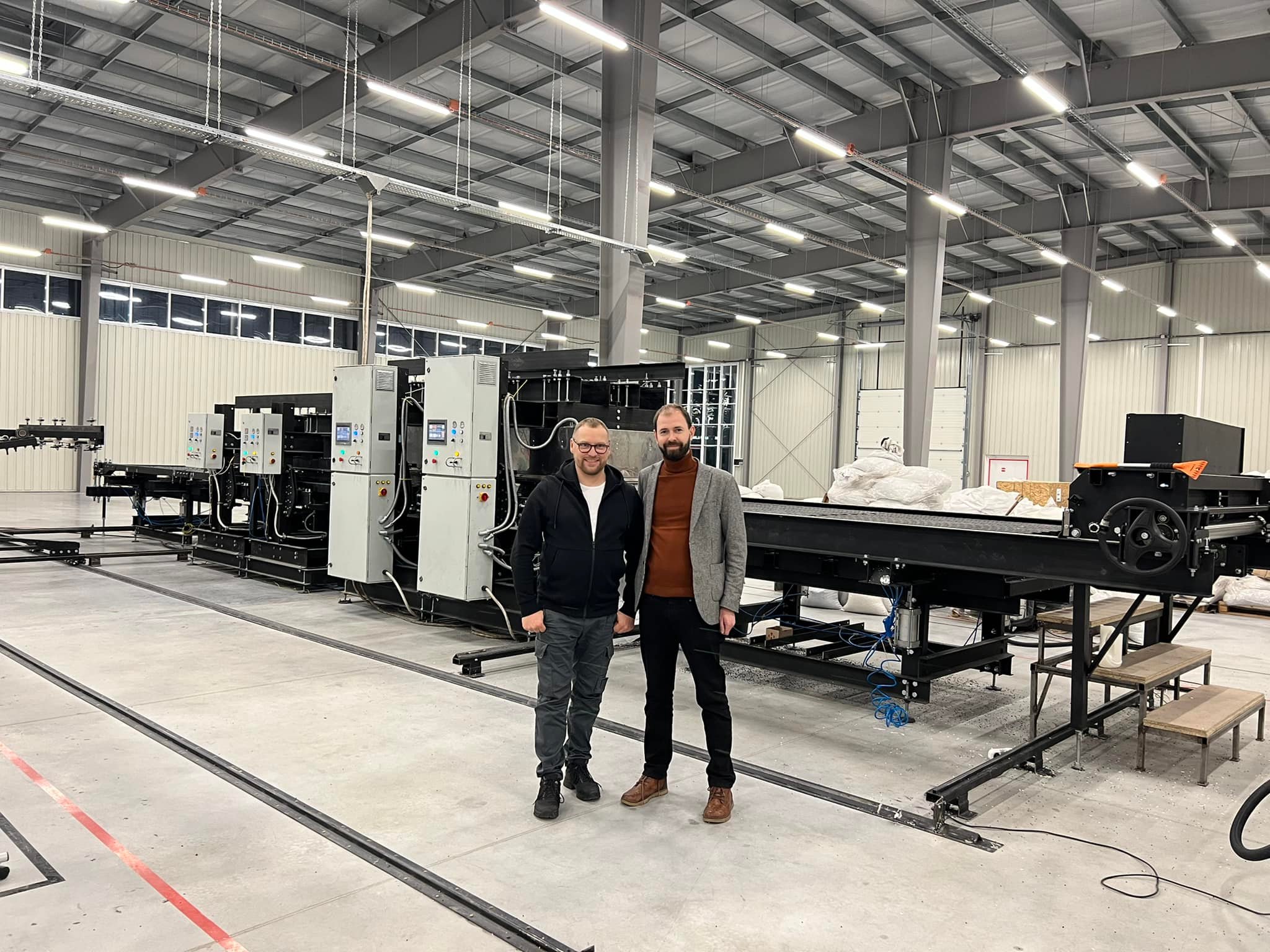
Plastic processing enterprise in Bila Tserkva. Photo: Andriy Fedoriv
Panels measuring 1,4*2,8 m are produced here. They are baked from recycled plastic, mostly from unusable household appliances, disposable tableware, yogurt bottles, bumpers and ocean debris.
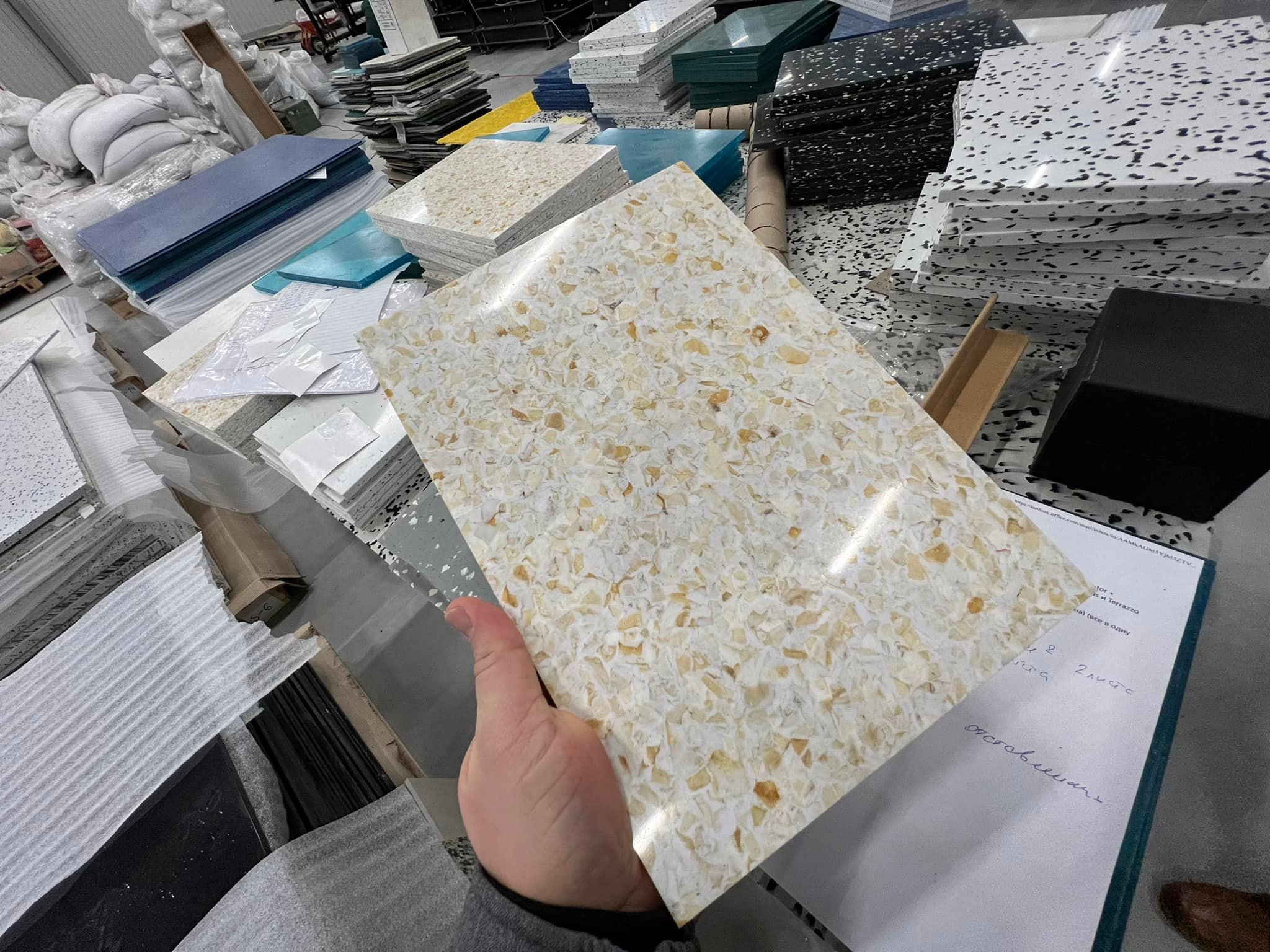
Plates from recycled plastic. Photo: Andriy Fedoriv
Currently, 98% of production is exported.
"The Netherlands, Great Britain, France, Norway, Spain, Italy and Japan are our key markets. We will deliver the main new equipment by the end of April," the entrepreneur says.
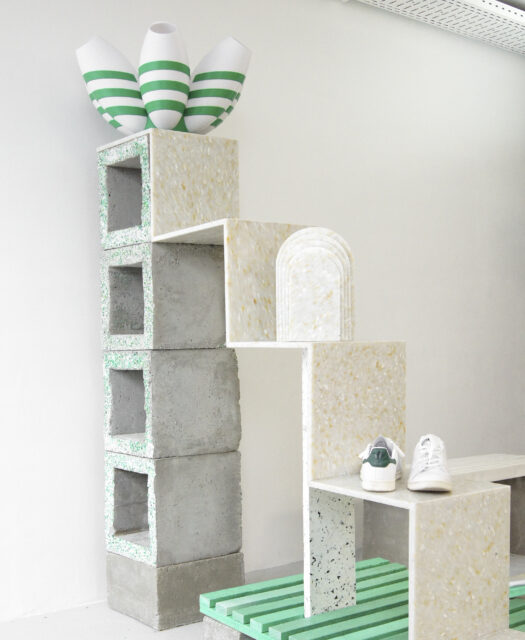
Salt Dune panels by The Good Plastic Company in a new installation at Adidas Originals Store Le Marais. Photo: lecinquiemeproduction, deicy_sanches, vanillebusin
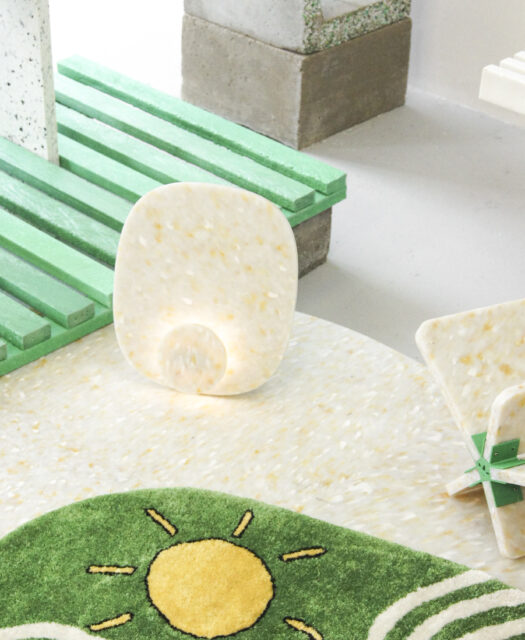
Plates can be of different shapes, sizes and colors. Photo: lecinquiemeproduction, deicy_sanches, vanillebusin
The Good Plastic Company is an international company that transforms recycled plastic into interior items. It should be noted that her co-founder is a Ukrainian architect, founder of the Architectural Prescription studio in Amsterdam Hryhoriy Zotov.
In 2019, The Good Plastic Company opened its first production facility in the Netherlands. In 2021, the enterprise managed to dispose of about 70 tons of plastic waste.
Read also
Good Plastic Things. How can a designer save the ocean?
Vinnytsia became the first city in Ukraine to approve the Green Course declaration
Top 10 unfinished architectural projects according to Archdaily