


And later you remember that something very similar hangs on the walls of your house. Moreover, it has a very distant relation to architecture...

Edward Khodorkovsky
Once, while at an art exhibition in Paris, I witnessed an interesting dialogue. The curator noted in the conversation that, of course, in order to understand any art and give reviews on it, one must be able to draw, sculpt or build. One of those present then objected that he had never laid a single egg in his life, but he was excellent at making scrambled eggs. And this dialogue later turned into a well-known joke among artists and art historians. And he pushed me to take a closer look at the causes of people's creativity at all times. How to create an art object that will be understandable and interesting both now and many years later?
Returning to the conversation about experienced déjà vu, I want us to look at these works together. They were created at different times by recognized masters of architecture and genius artist Natalya Goncharova. It is amazing that they look like twins. Is this a coincidence or perhaps plagiarism?

Tower in the Olympic Village of London. Architects: Anish Kapoor and Cecil Balmond
Both architects and artists served not the higher mind, but the customer. They expressed what he saw as comfortable, beautiful, and functional
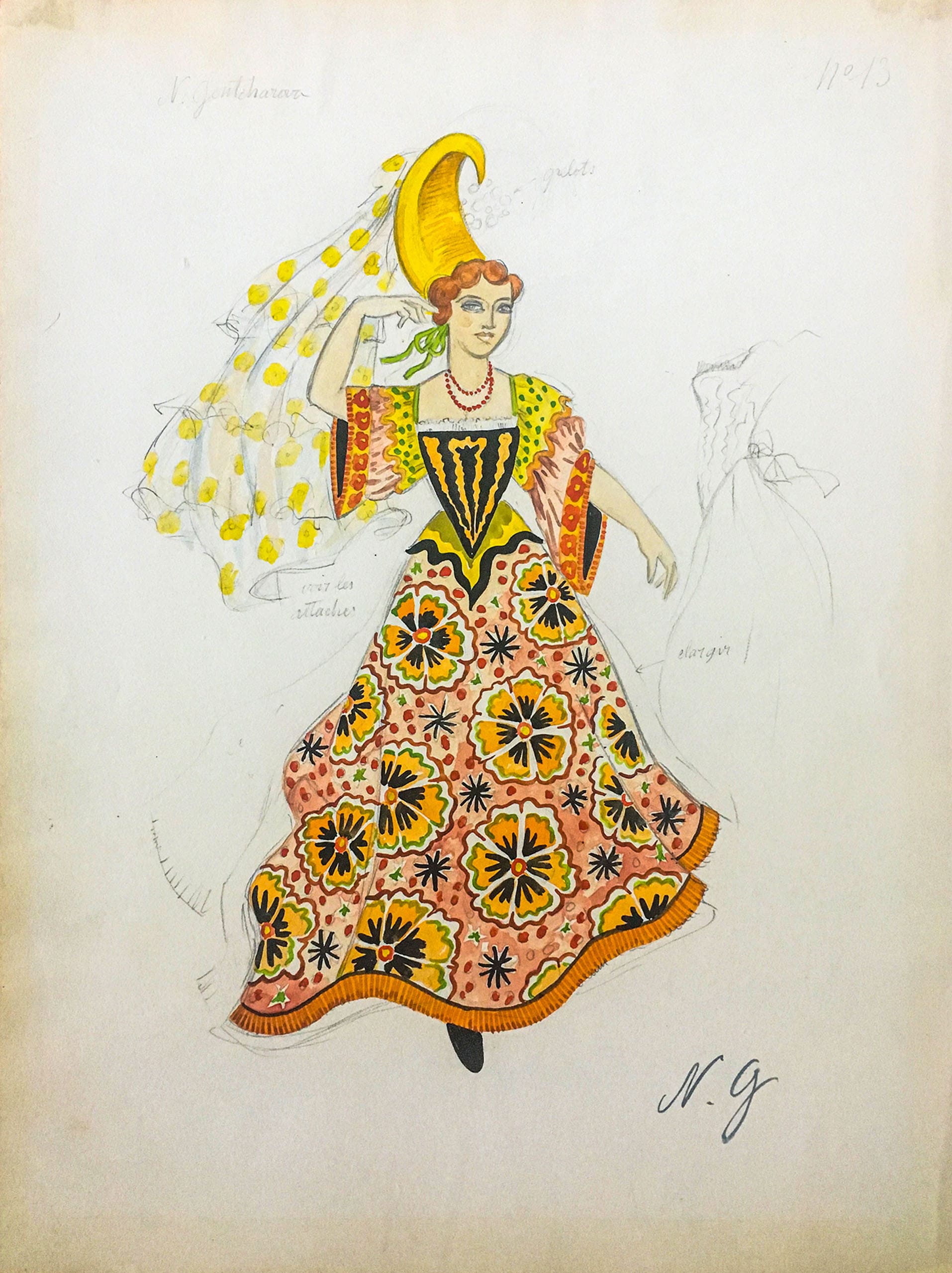
Natalya Goncharova. Costume for the ballet "Cinderella"
In each case, both architects and artists served not the higher mind, but the customer. They expressed his will, what he saw as convenient, beautiful, functional or divine. And it is even possible to suggest that the entire architecture of the past is the result of the activities of bishops, canons, monarchs and those who could afford such a luxury - to build castles and cities. They correlated what they wanted with ideas about the divine, with fashion trends, with religious views, or simply suggested what they liked. It should be noted that little has changed since those times.
It is fair to admit that some projects were not orders, but only the imagination of architects. They won competitions and were not corrected. Of course, they must correspond to the purpose, function.
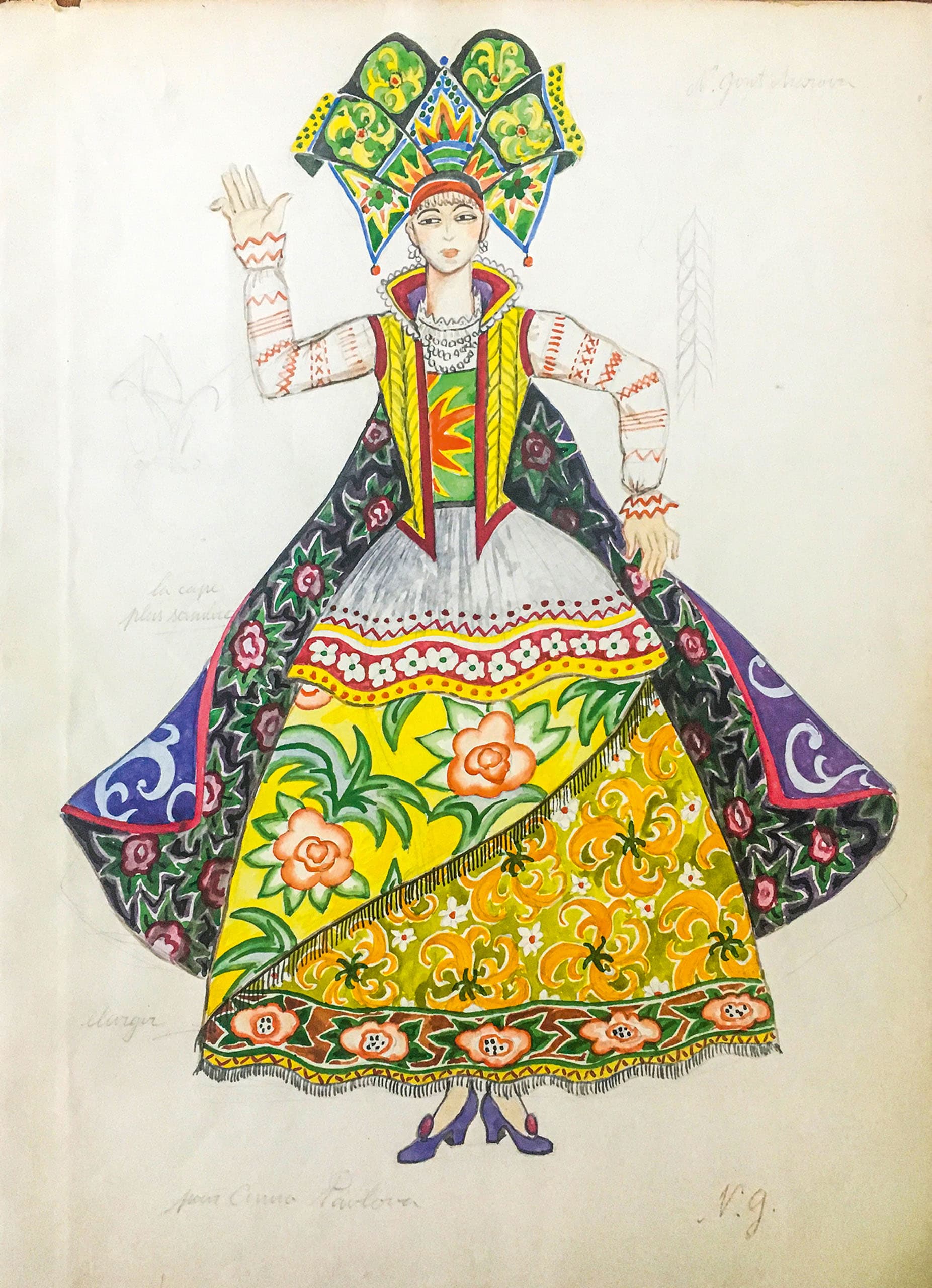
Natalya Goncharova. Ballet costume "Jester"

Hotel Grand Lisboa, Macau. Architects: Denis Lau and Ng Chun Meng
The same can be said about the works of Natalya Goncharova on the modeling of costumes for theatrical productions and productions of Diaghilev's ballets. Although it was during that period that the artist got the opportunity that every creative person dreams of: to create while remaining herself, and not just to fulfill an order. Therefore, in the sketches we also see her author's dresses for ordinary women.
Such a privilege of self-expression is available to artists, fashion designers, as well as musicians and geniuses of the pen, nowadays to a greater extent.
The concept of beauty is very dynamic, and it does not necessarily have to become accessible and clear at the moment of its initial contemplation
What is common in the works of these people? Probably, the fact that they are all guided by the same ideological and aesthetic principles - mutual coordination of elements. First of all, this can be explained by the noticeable similarity of their visual perception, the way they understand space. Of course, architecture has always required major changes in the technique and method of building buildings, in contrast to fine art, which could only be limited by the imagination of the master. But only now have they become comparable in many ways - when technologies have become practically limitless and have reached a sufficiently high level of development to embody any forms. Everything is acceptable now. Moreover, natural landscapes have not changed, which means they have not ceased to inspire.
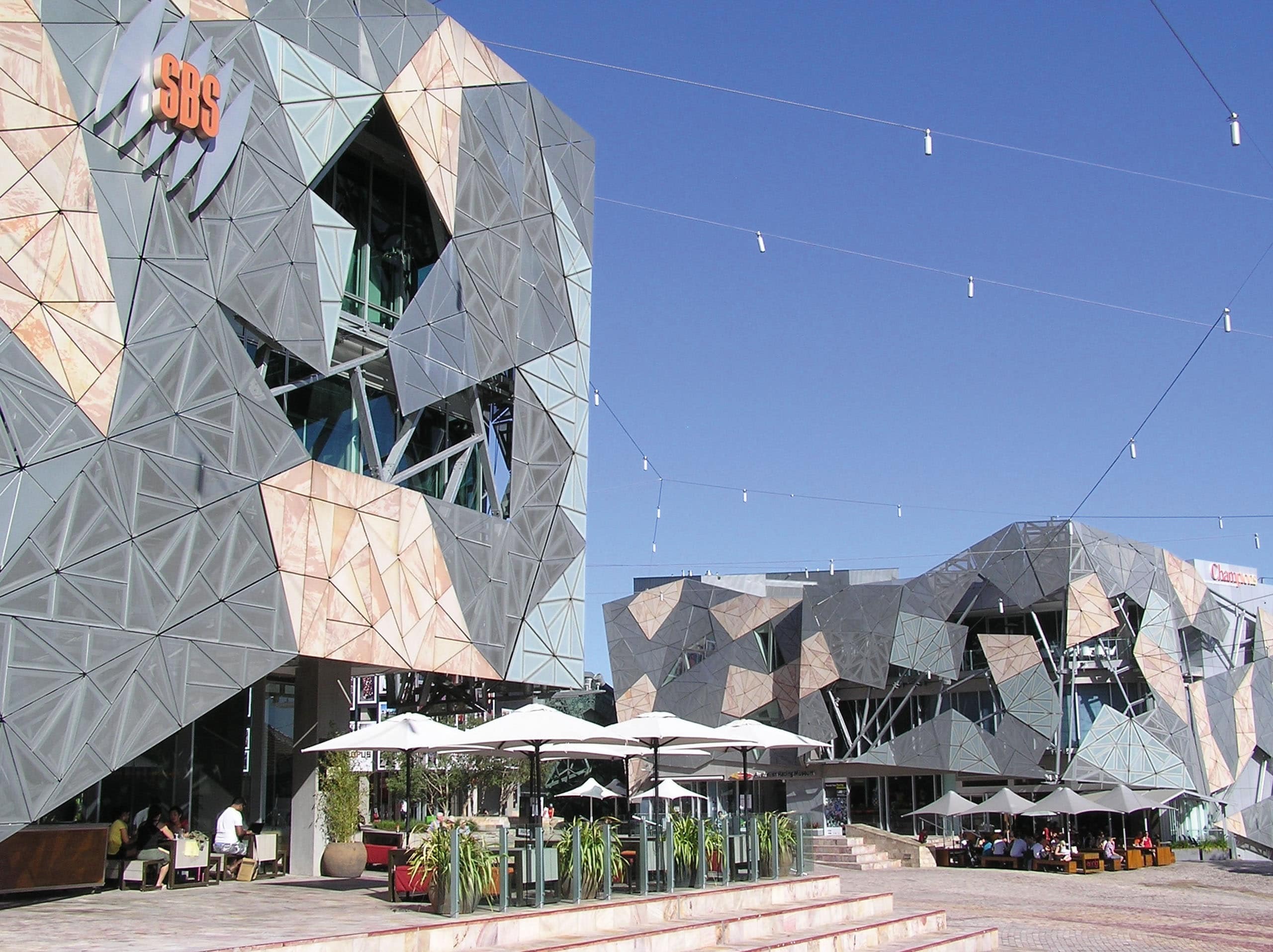
Federation Square, Melbourne. Architectural companies LAB Architects, Bates Smart
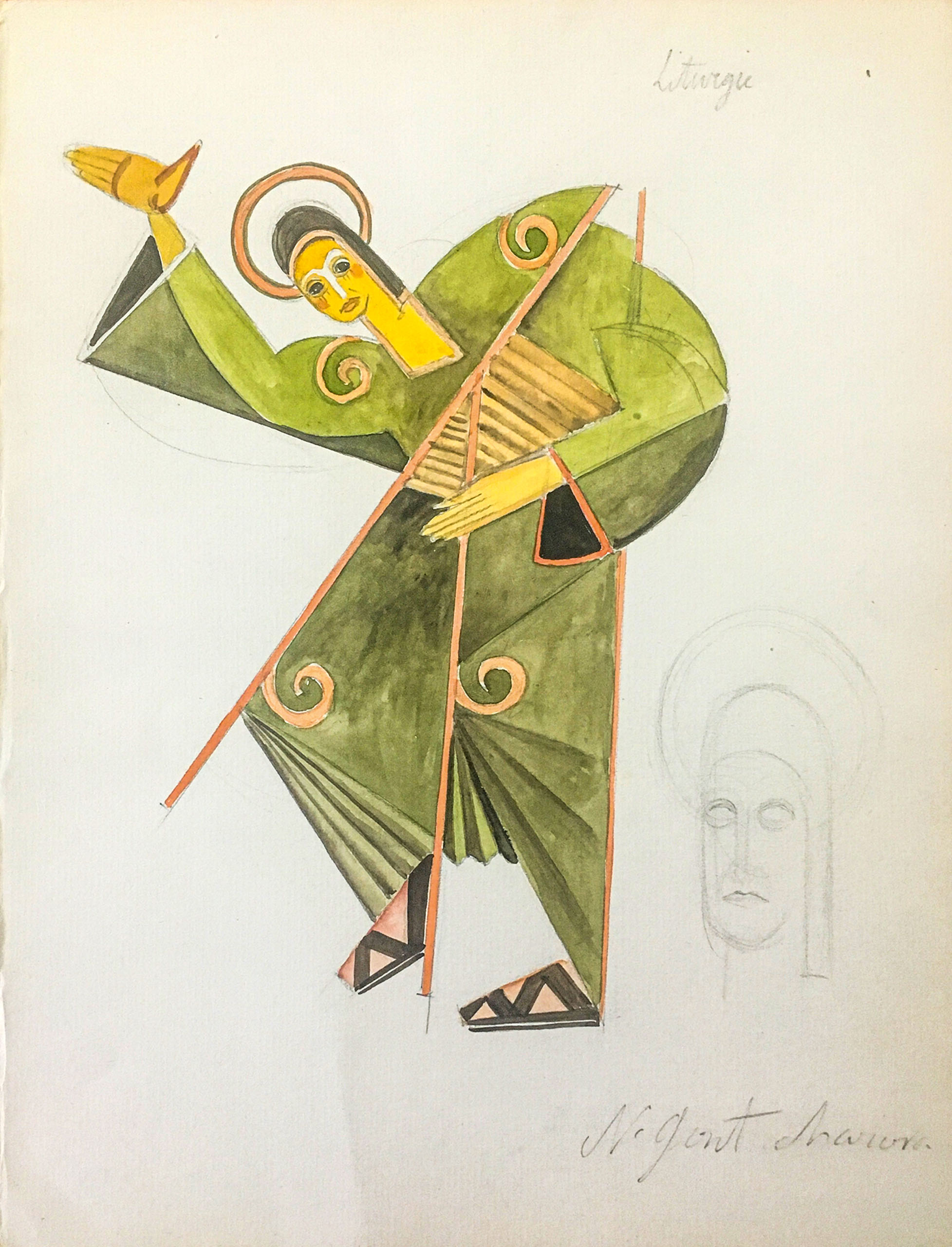
Natalya Goncharova. "Liturgy"
Often what was once unknown and strange is now our reality. The concept of beauty is very dynamic, and it does not necessarily have to become accessible and clear at the moment of its initial contemplation. In this regard, let me recall the story of the architect Jan Kaplicka.
The reason for the sudden departure of the architect from life in 2009 is called a series of problems related to the implementation of his project for the new building of the Czech National Library. It repeats the shape of a woman's skirt - for example, a Spanish woman moving in a dance in a sketch by Natalya Goncharova. However, Kaplitsky himself saw in her a toadstool hat.
Often what was once unknown and strange is now our reality
Despite the fact that his Future Systems project won the international competition, its implementation was unlikely for a long time. Many citizens, including high-ranking people, spoke out against the implementation of this project, considering the curvilinear forms and bright colors of the future building an unacceptable addition to the existing urban landscape of Prague. At the same time, Czech architects saw violations in the competition procedure that violated their rights and demanded a review of the results.
Kaplitsky, who left the Czech Republic in 1968, after the entry of Soviet troops, saw in the first house he built for his family since that time a symbol of his own return and took such a turn of events very painfully. The unusually bold language of his architecture was ahead of its time and challenged ordinary thinking. He always caused a mixed reaction from the public, including customers and the ruling authorities, but the architect always tried to avoid compromises. And this time too, he did not make concessions and energetically defended his version of the project.
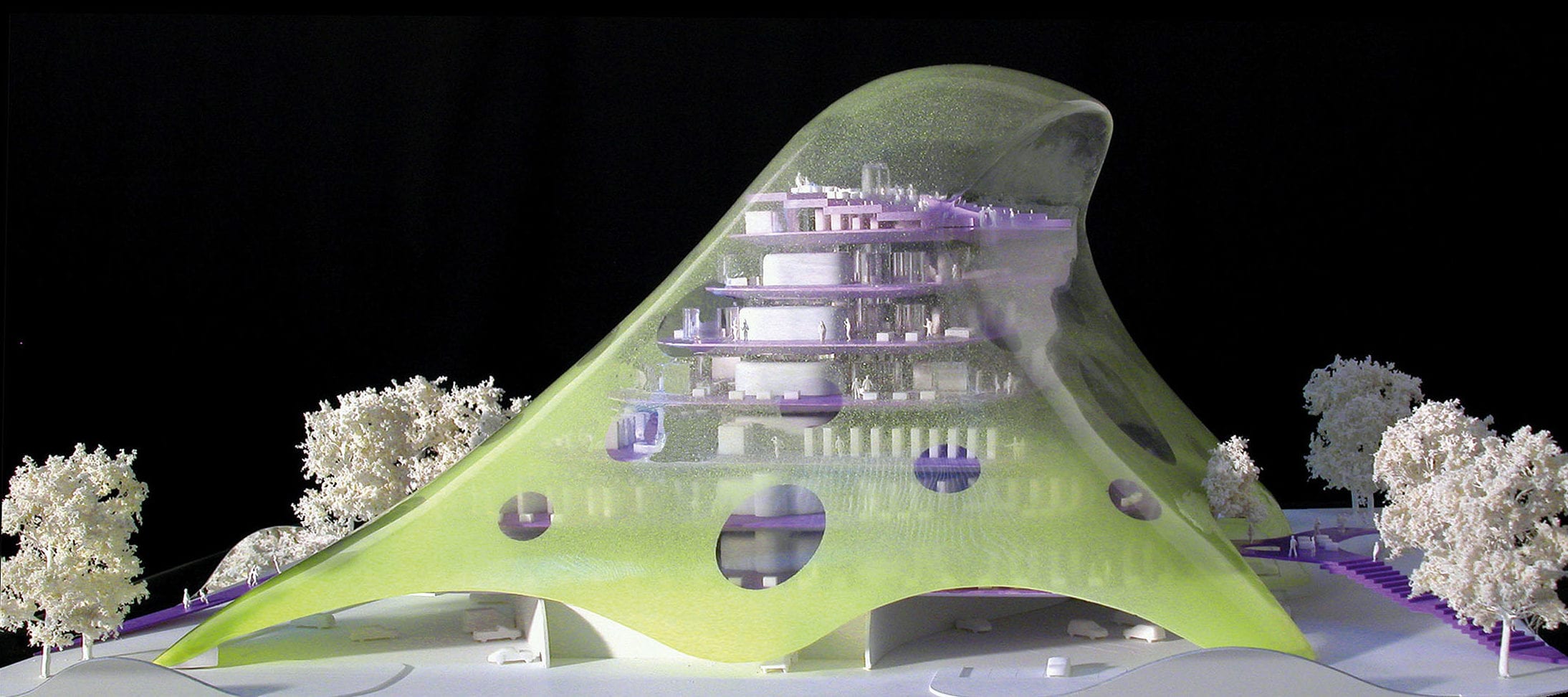
Project of the National Library of the Czech Republic. Architects: Yan Kaplitskyi and Amanda Lyvit
In general, despite the Stirling Prize received in 1999 for the design of the press center of the Lord's cricket stadium and the greater popularity of the Selfridges department store building in Birmingham, Jan Kaplicka's potential as an architect was not fully realized.
The futuristic project of the new building of the National Library was blocked by the deputies of the Prague City Council
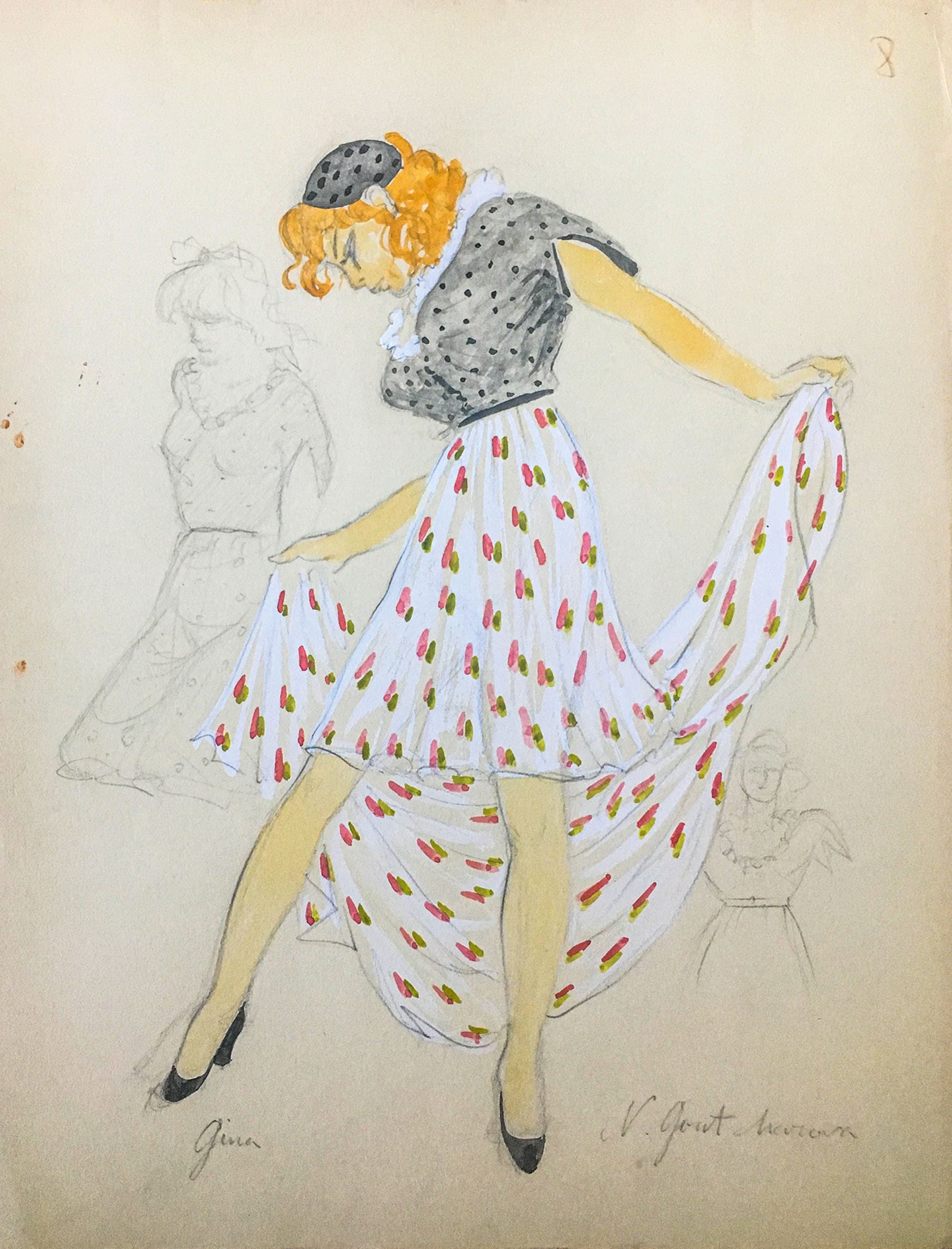
Natalya Goncharova. "Gina"
Prominent figures in the British architectural sphere, Peter Cook, former editor of Architectural Review Paul Finch, and critic Ken Powell, who knew and respected him, say the same thing. Norman Foster, with whom Kaplitsky collaborated in 1979-1983, said that he was a great architect, a highly valued colleague and a good friend.
The futuristic project of the new building of the National Library (Národní knihovna na Letné) was blocked by deputies of the Prague City Council in 2008. The architect himself believed that the building could become one of the most beautiful in the Czech capital, and after him many of his colleagues talked about , that Prague lost the battle for the right to be called a city where modern architecture is not afraid.
The day will come when someone will approach your work of art and draw a parallel between souls
Jan Kaplitzky was awarded the prize of the Ministry of Culture of the Czech Republic for his contribution to fine arts and architecture. However, the architect refused the award, saying that the authorities were making his contribution to Czech architecture impossible.
I would like to end this article with the words of Albert Einstein: "Imagination is much more important than knowledge." Knowledge is based only on what we now know and understand, while imagination includes the whole world and everything that we will ever understand and know."
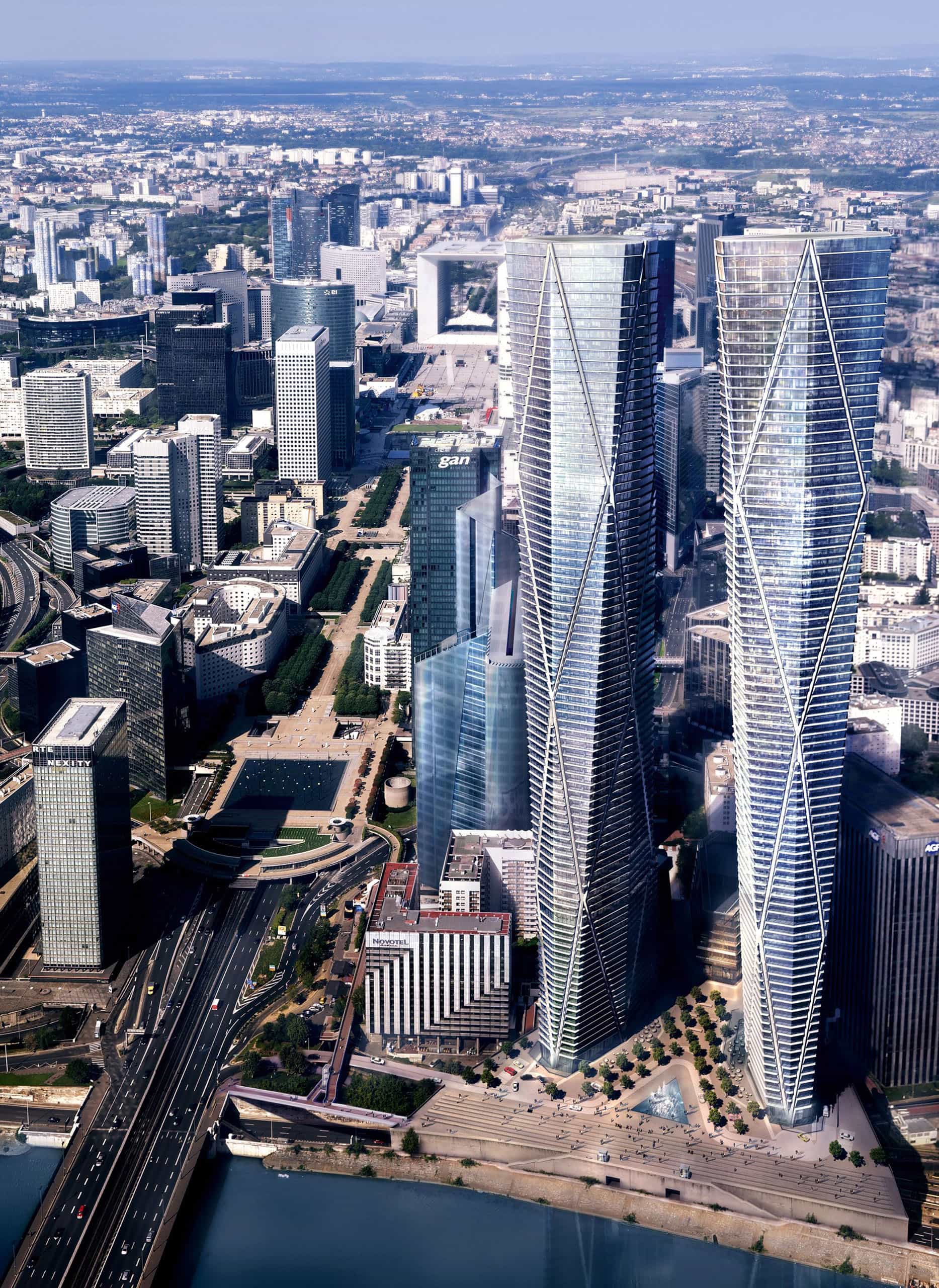
Hermitage Plaza, Paris. Architect: Norman Foster
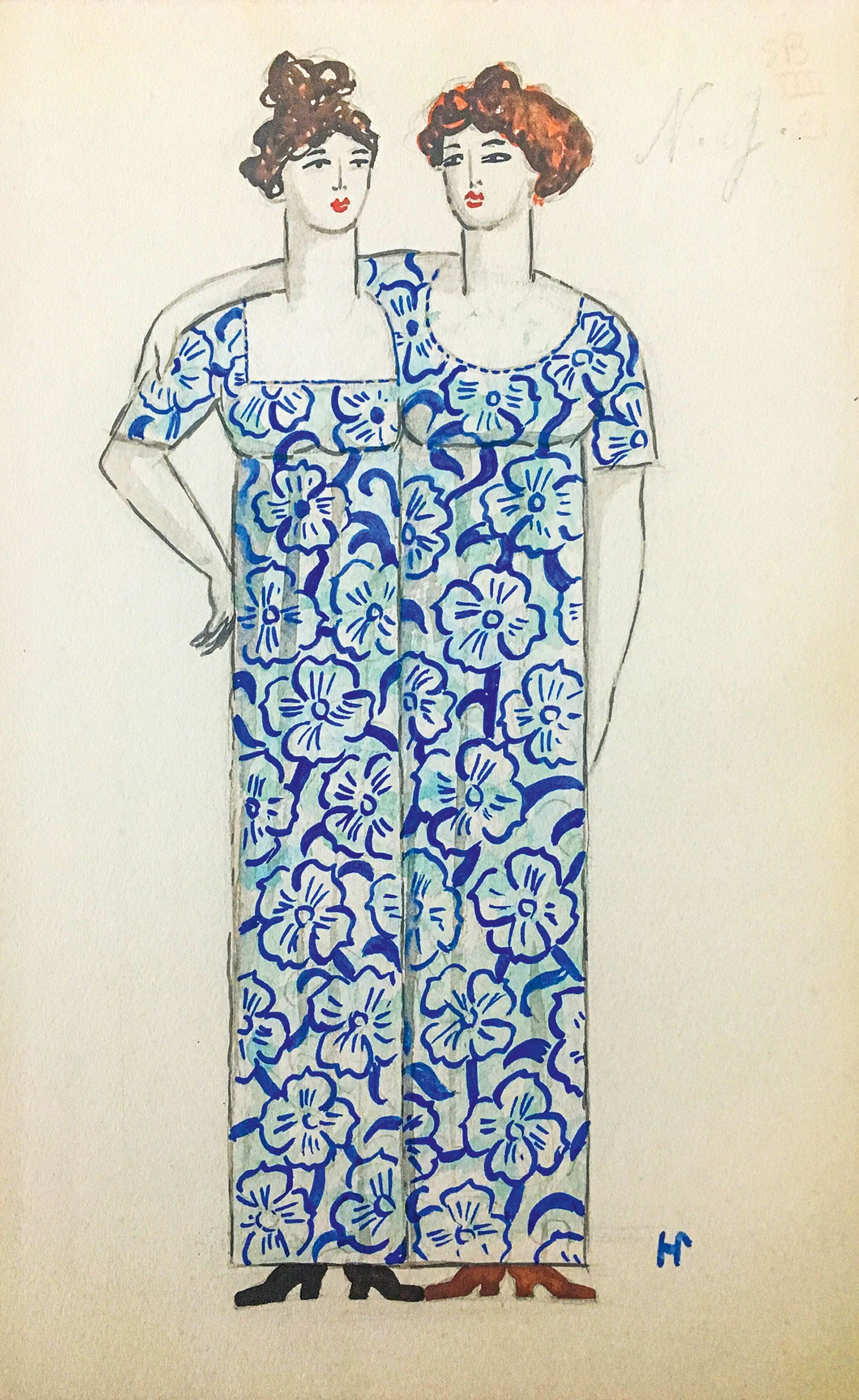
Natalya Goncharova. "Dresses for twins"
The day will come when someone will approach your work of art and draw a parallel between souls. And then he will create, perhaps, the greatest work of his time - another life, which I want to talk about. You, in turn, can be proud of the fact that throughout the ages you cooperate with the greatest people the Universe has ever known.


