


The total conversion of military facilities into museums, hotels, restaurants or simply monuments was dreamed of by any creative person, impressed by the unique architecture of forts, bunkers and missile mines. Some of these dreamers, without waiting for a radical improvement of the military and political situation at the international level, are engaged in the implementation of ideas into reality.
Bomb shelter-museum
At the beginning of the 500s, a married couple of modern art collectors, Karen and Christian Borosa, were looking for space for a gallery in Berlin. More than XNUMX canvases that belonged to them simply did not fit in any of the private houses.
A reinforced concrete cube on Reinhardtstrasse in the center of Berlin caught the attention of the Boros. It was a bunker built in 1942 by the architect Karl Bonatz under the direction of Albert Speer, the ideologist of the architecture of the Third Reich.
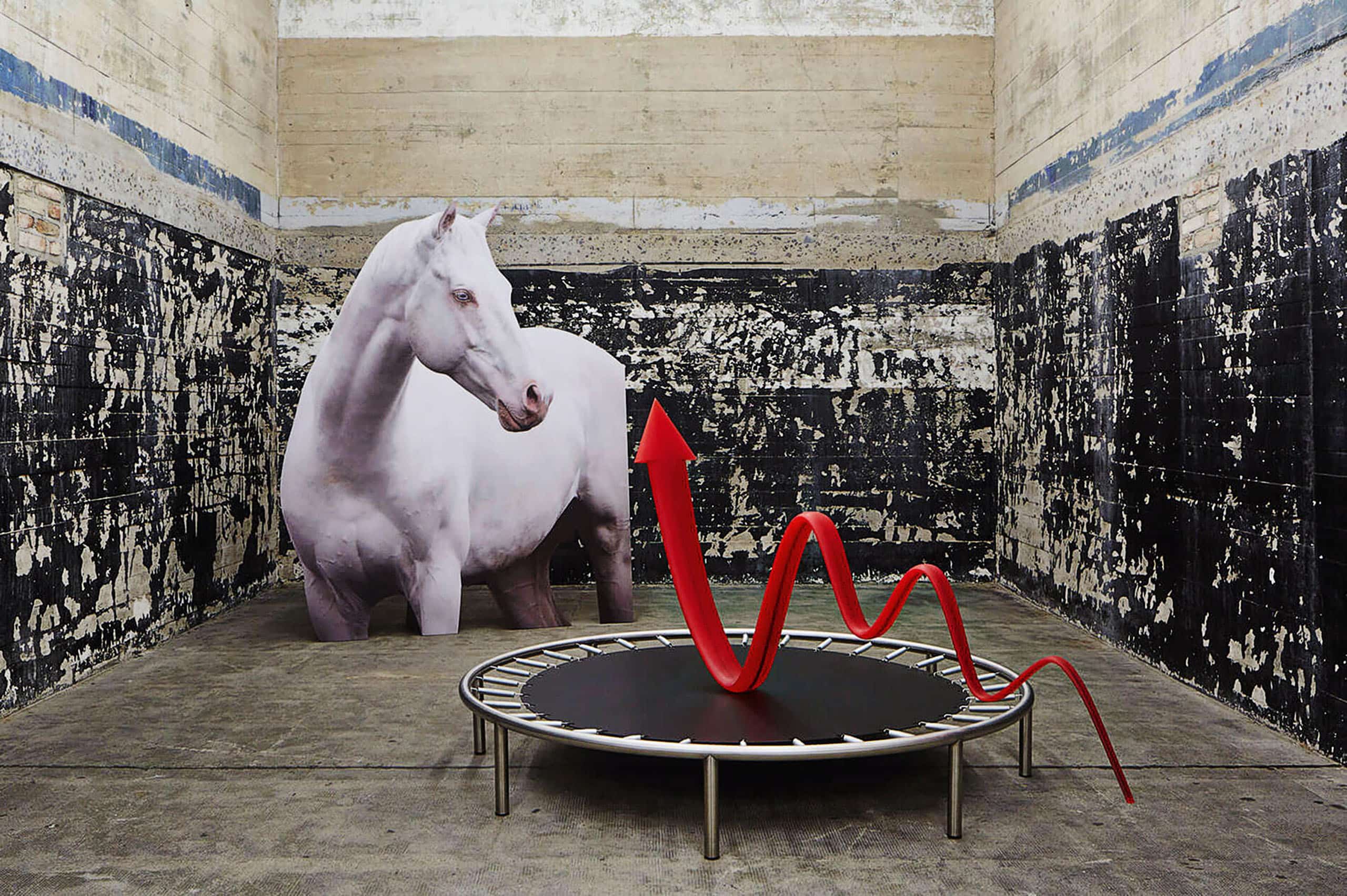
Objects of modern art from the collection of Karen and Christian Boros. Photo: Ailine Liefeld
Bonac decorated the 18-meter-tall, windowless building with 1,8-meter-thick walls and a three-meter concrete roof with Renaissance cornices. He, like Speer, was convinced that the bunker, despite its utilitarian function, would become part of the new urban plan, and he saw it as a house without the admixtures of "degenerate" modernism, a house in a pure style, a kind of "Aryan in architecture."
But after the defeat of Germany, the bunker was used as a textile warehouse, and then - as a storage place for tropical fruits brought from Cuba - in those years, the brutal structure was called the "banana bunker" with some disdain. When Christian Boros decided to turn the warehouse into an art gallery, there was already a brothel and a disco.

The bunker was built in 1942 by the architect Karl Bonatz under the direction of Albert Speer, the ideologist of the architecture of the Third Reich.

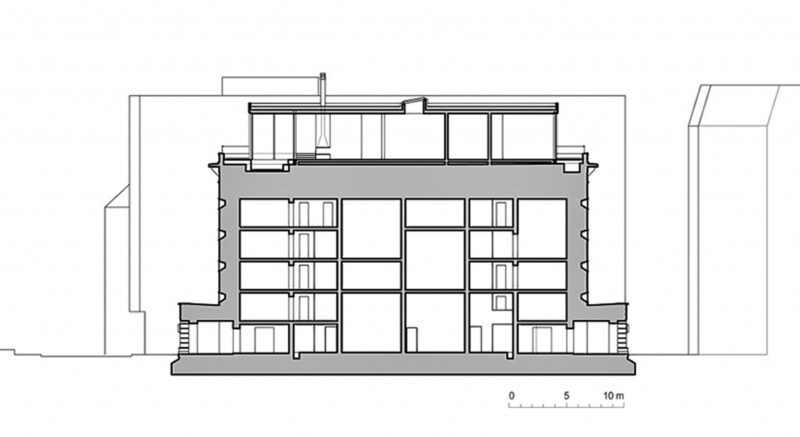
Plan of the bunker before reconstruction
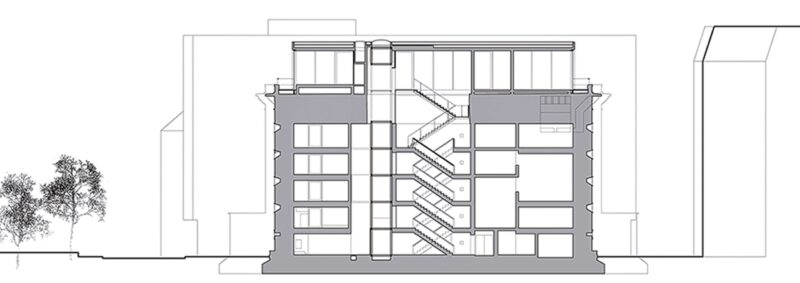
Plan of the bunker before reconstruction
The bunker was reconstructed according to the project of the architect Jens Kasper from the Realarchitektur office. Some of the internal partitions were removed, and a penthouse was built on the roof in the form of a cube of tempered glass with a garden and a swimming pool.
The elevator shaft to the residential apartments with concrete, charred oak and limestone interiors had to be cut through the thick concrete, and this was the most difficult operation that took six months. Later, the architectural project of the bunker renovation won many awards.

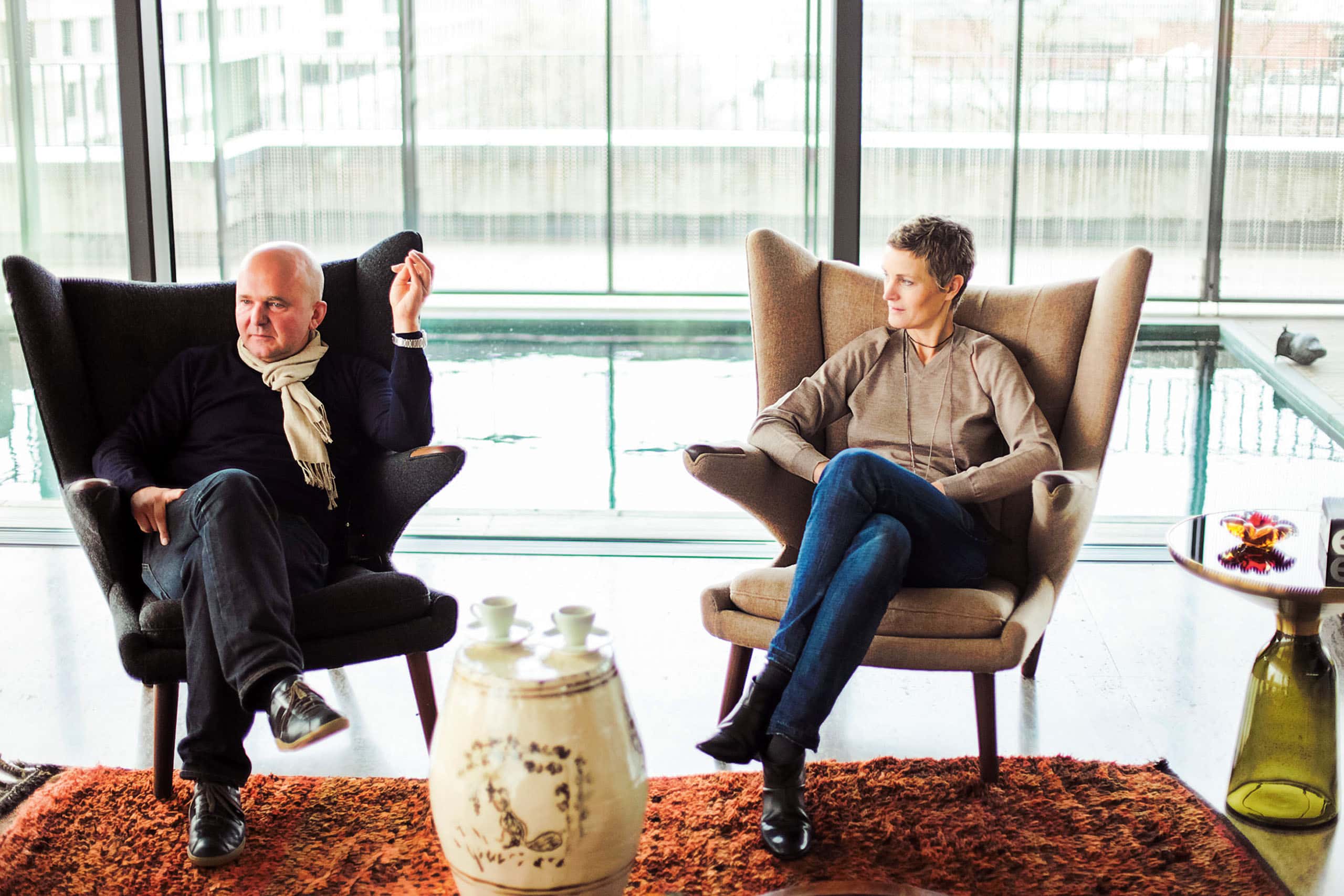
Christian and Karen Boros in his penthouse on the roof of the bunker.
This is how they describe their impressions in an interview published on the Freunde von Freunden platform:
Christian Boros: "I still feel like I haven't moved yet. I look at this house and I can't believe I live there. The structure is so massive, cumbersome and hard to digest."
Karen Boros: "It is impossible to forget the past when one lives in such a monstrous edifice, which breathes its inescapable seriousness." Photo: Ailine Liefeld
The private gallery of the Borosovs has gained international popularity both because of the fact that exhibitions are regularly held here with the participation of the stars of current art, and because of the object itself, whose history still excites the imagination.
Bunker-hotel in a missile mine
Meanwhile, the visionaries from Vivos have already sold out apartments in an underground hotel-bunker in Indiana, equipped in former missile mines. 80 people who paid $35 each got the right to go underground during "Х" to live there for at least a year. On the Vivos website, the warehouse is presented as a 4-star hotel with all amenities.
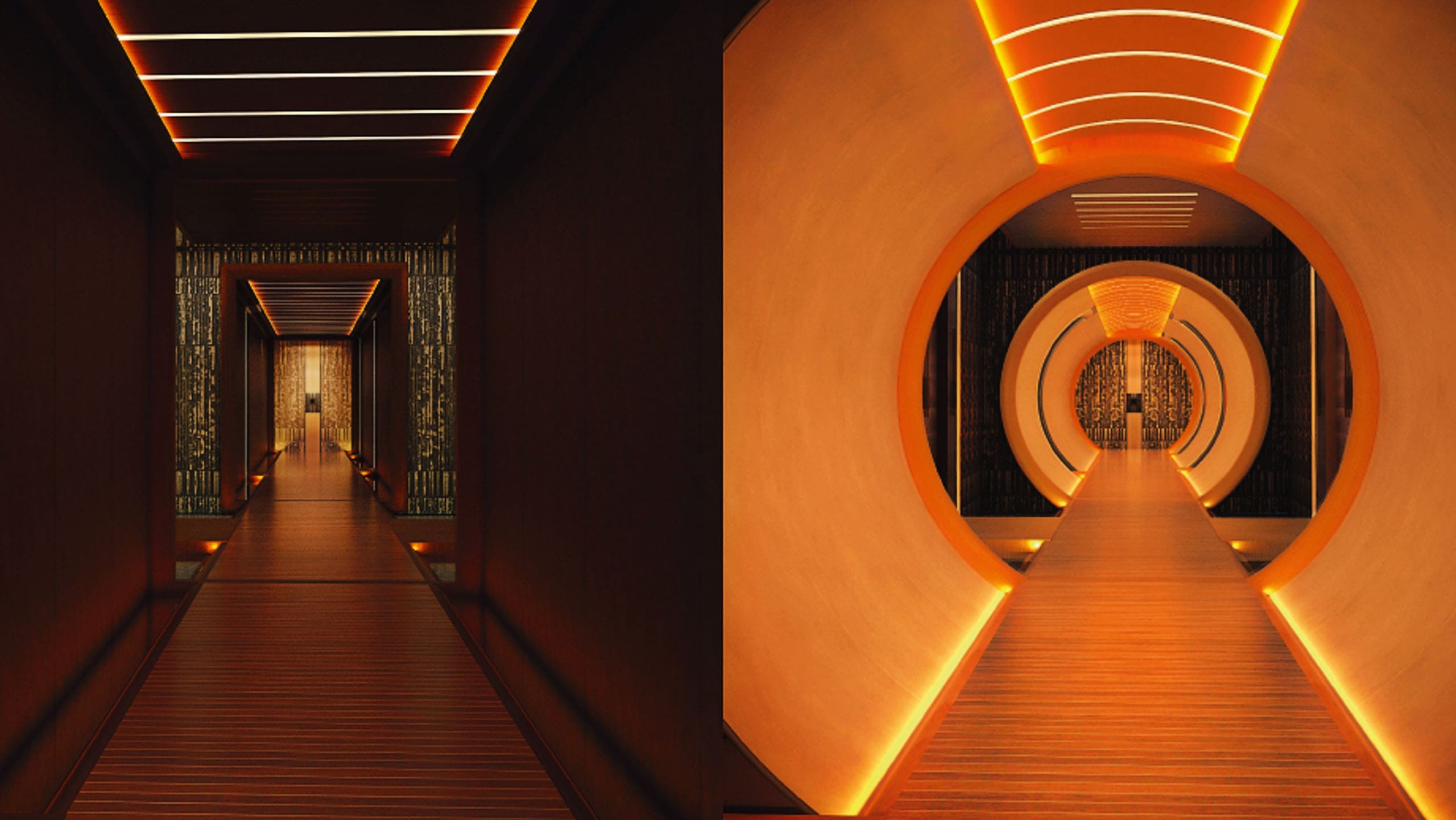
An underground hotel-bunker in Indiana, equipped in former missile mines. Image source: VIVOS
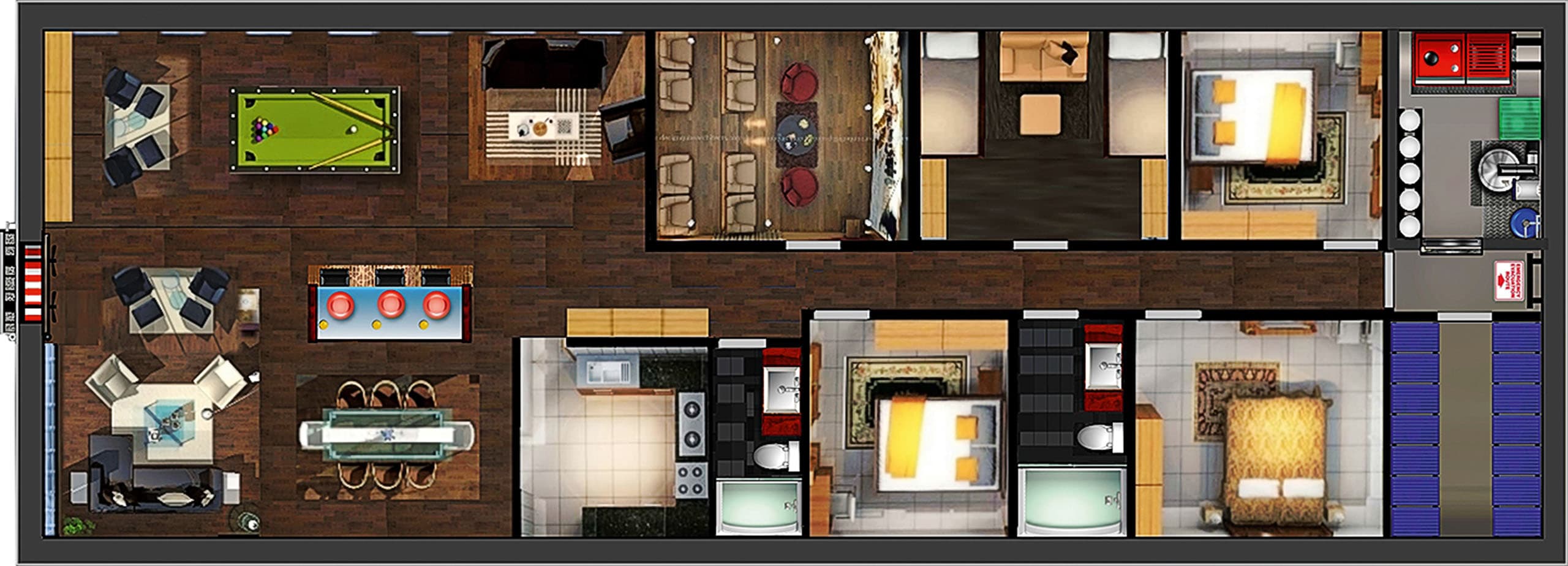
Each family is offered apartments with an area of 232 square meters, which can be furnished to your taste. Image source: VIVOS

Having assessed the commercial effect of the case, the company has no intention of stopping: Vivos promises to equip a whole network of bunkers and save at least 1 percent of the world's population from an apocalyptic cataclysm. There is even a map with locations, but without exact coordinates.
The Vivos Europa One shelter closest to Ukraine is "in a rocky area on private property" somewhere on the border of France and Germany. Each family is offered two-level apartments with an area of 232 square meters, which can be furnished to your own taste. There are also public spaces in the dungeon: gyms, restaurants and bars. The five-star shelter is designed for only 35 families plus service personnel.
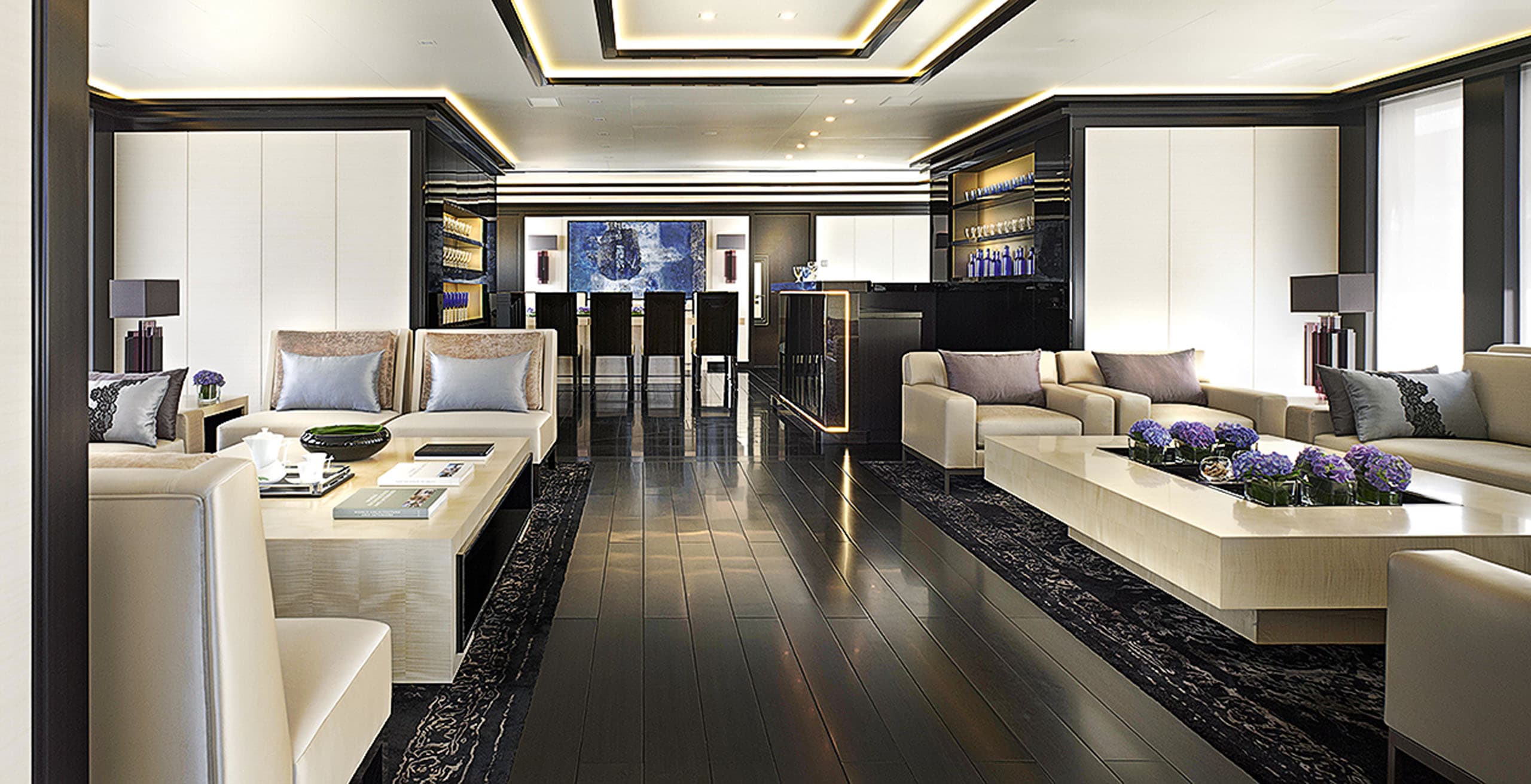
Plans and interiors of apartments in VIVOS underground storage. Image source: VIVOS
I discovered one important thing…” Teestu whispered. — Flowers tame evil.
Maurice Drewon, the book "Dough the Miracle Worker"
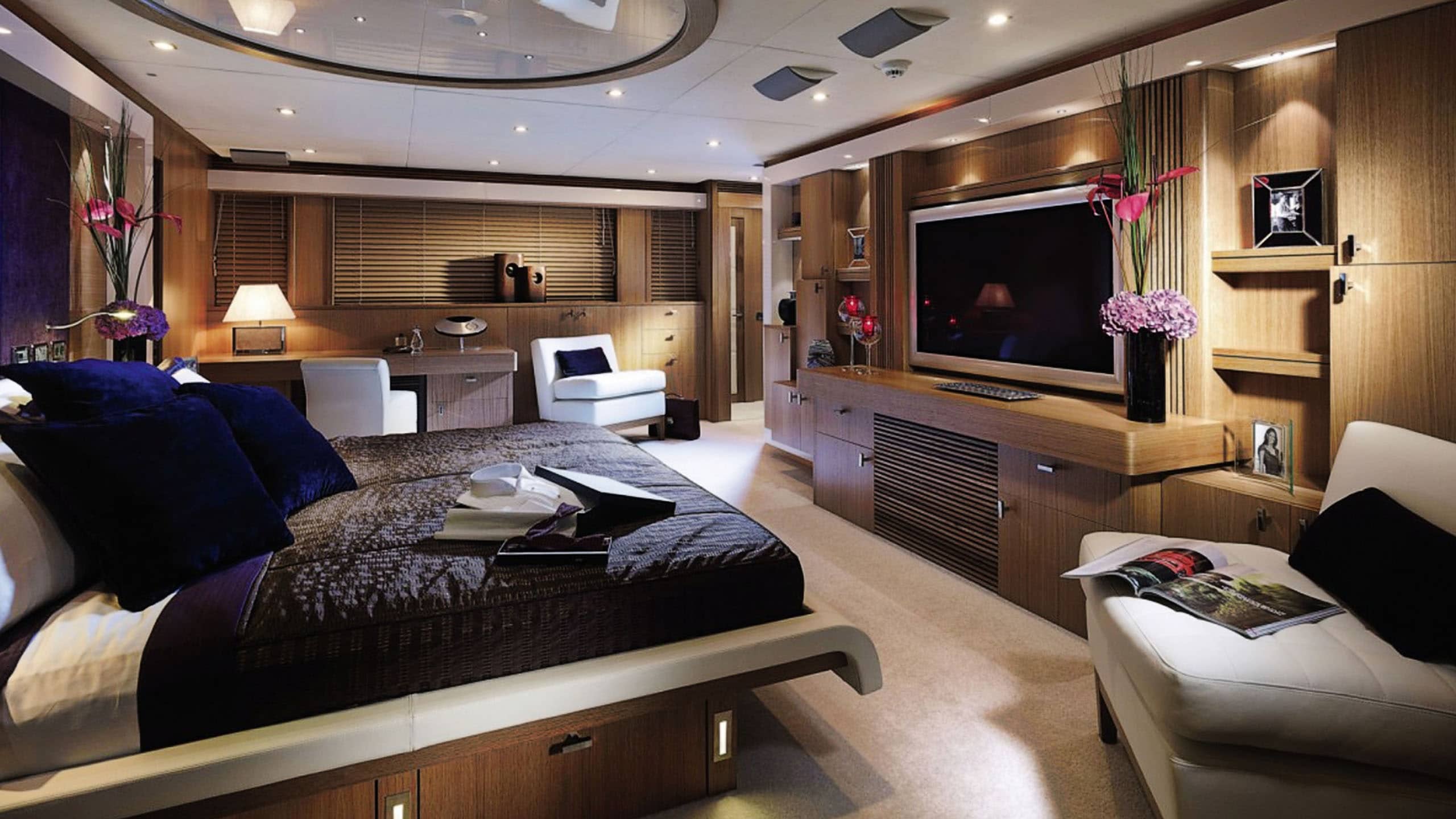
Plans and interiors of apartments in VIVOS underground storage. Image source: VIVOS
Mines as part of the interior
Mati Karmin, one of the most famous sculptors in modern Estonia, transforms rusty deep-sea mines into designer furniture: office and lounge chairs, tables, beds, prams and abstract sculptures, in between his monumental studies and university lectures.
Mines of the AGSB type, designed to destroy ships and submarines, have been produced in the Soviet Union since 1942. During the withdrawal of the Soviet troops from Estonia, soldiers of the garrison on the island of Naissaar in the Gulf of Finland did not completely destroy the arsenal in the commotion. A large number of mines, both fully operational and neutralized, remained on the territories of abandoned military towns.
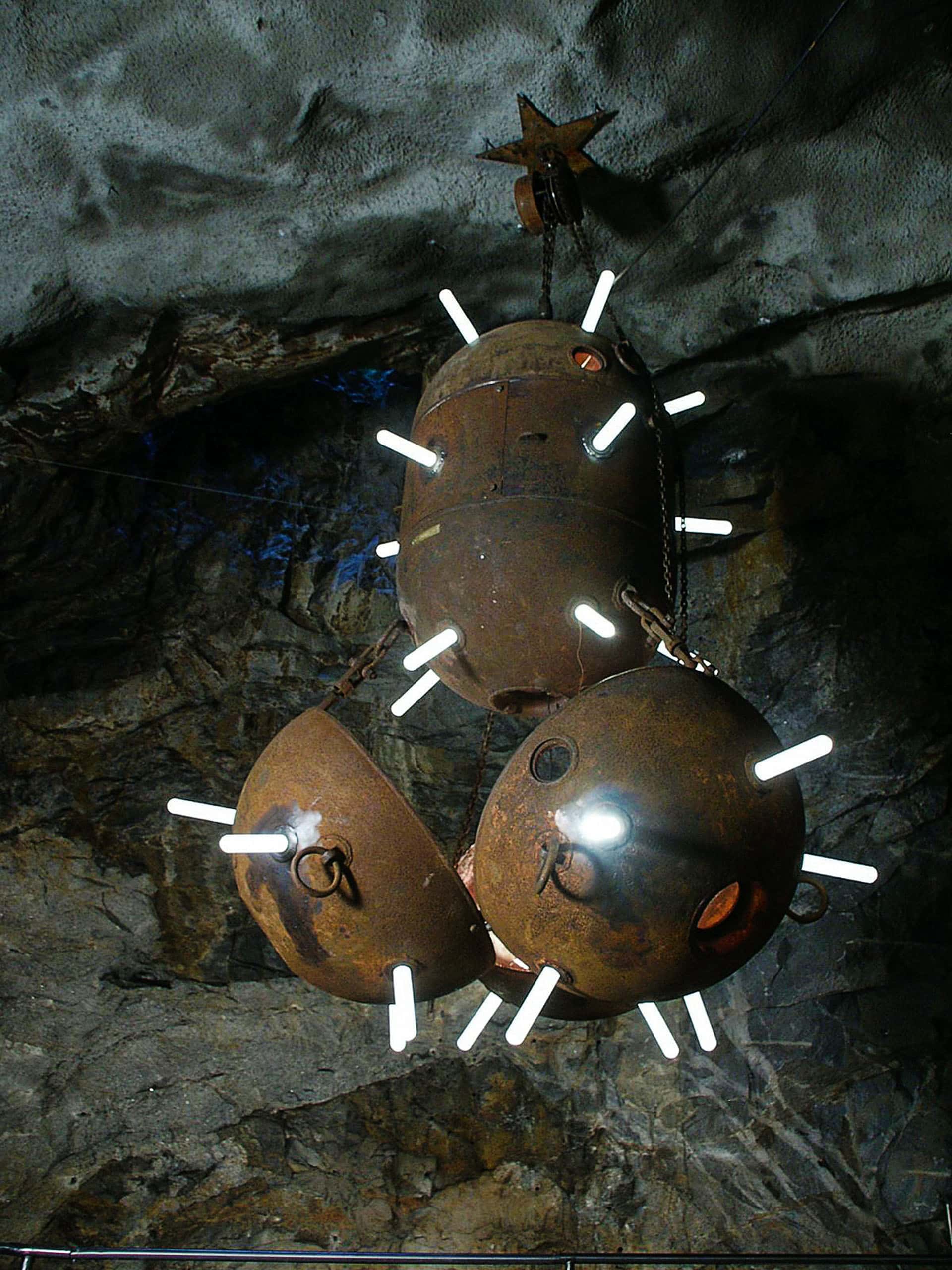
Postmodern sculptural lamp. Photo source: marinemine.com
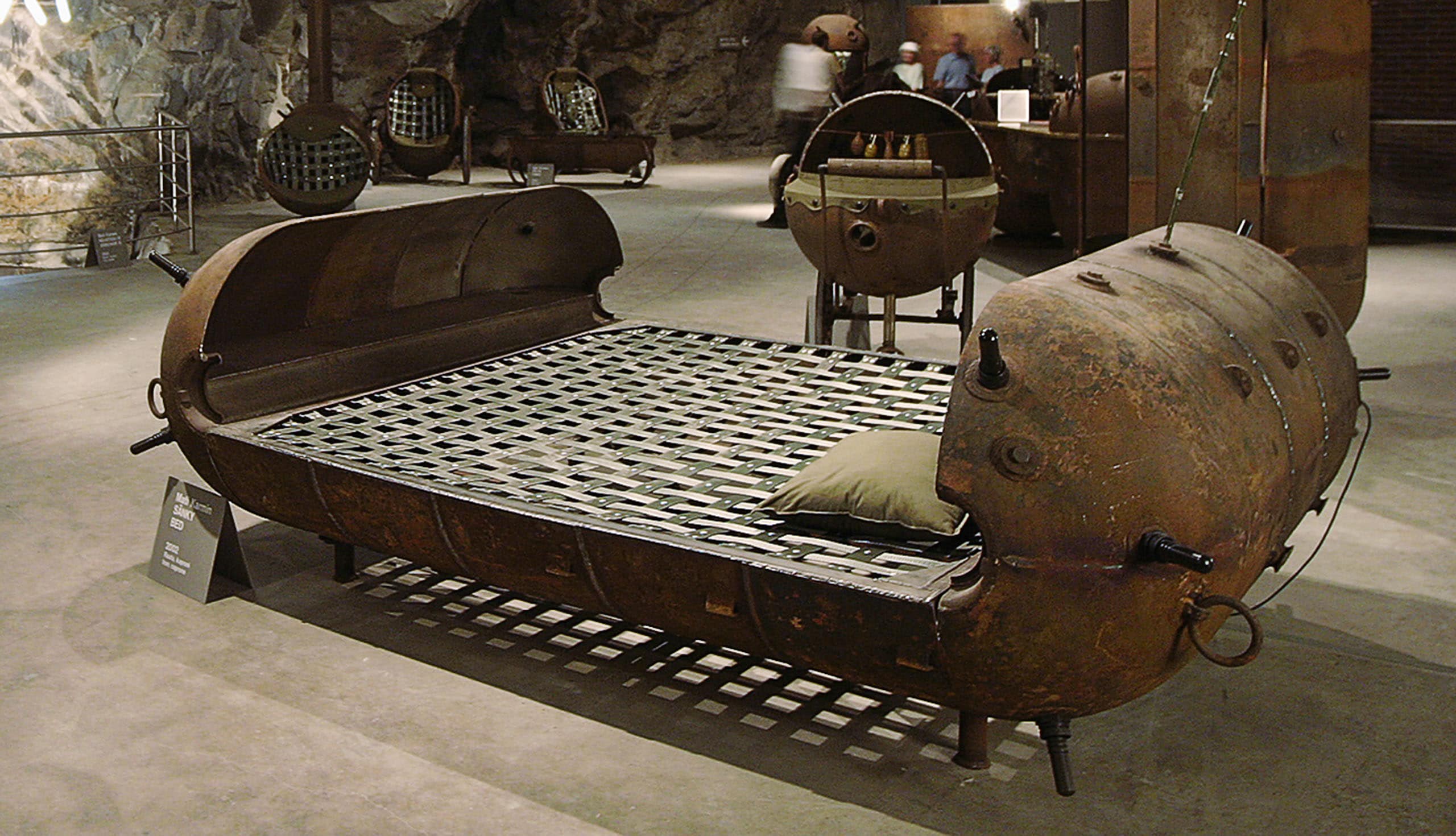
"Submariner's bed", the hull of which is welded from several mines. Photo source: marinemine.com
The artist, who is known for building his work on contradictions and counterpoints, was struck by the perfect form of the shell of a deep-sea mine combined with its destructive essence. As part of the project, in addition to furniture, he created a mobile fountain sculpture in the shape of a phallus with four clocks, the dials of which show the time in Moscow, London, Paris and New York, based on the Soviet ZIL-157 missile carrier. Such a revenge of a pacifist.
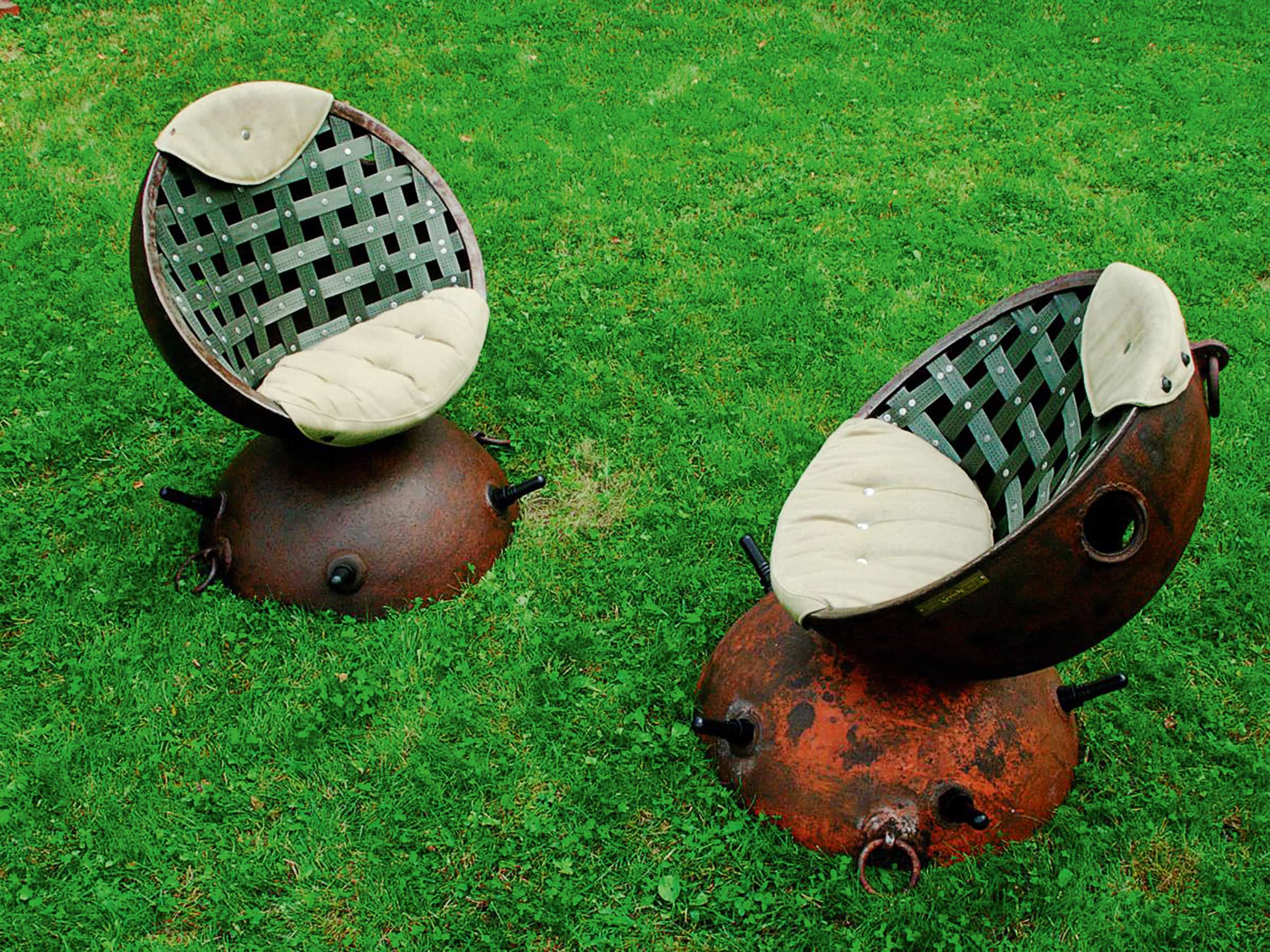
"Retro" chair made of two halves of a deep-sea mine with a cushion and headrest made of tarpaulin. Photo source: marinemine.com
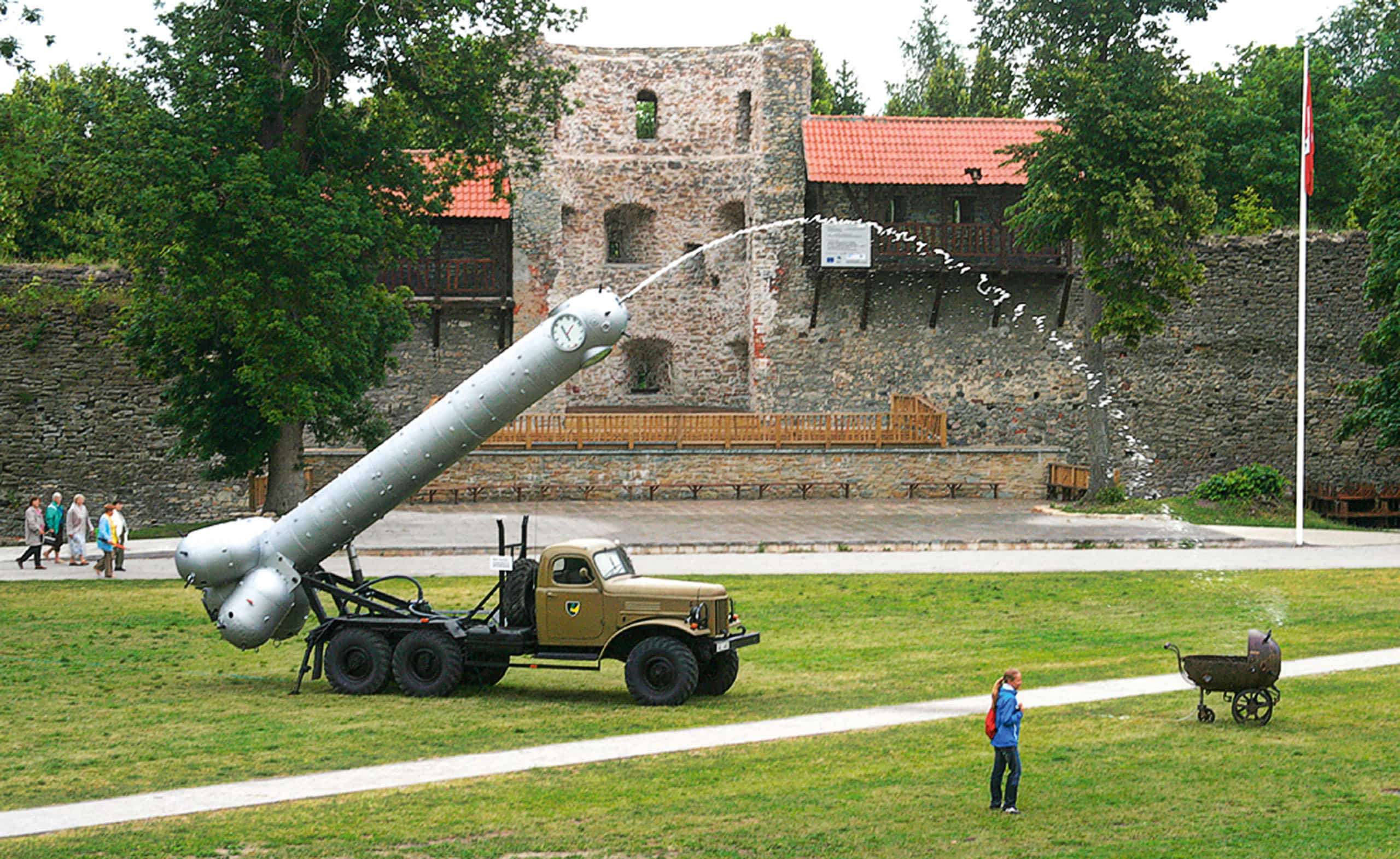
Hydraulic "rocket" based on the Soviet ZIL-157. It is used as a mobile fountain. Photo source: marinemine.com
Furniture from the mines of Mati Carmina now adorns museum galleries and private estates. "Customers who first order a fireplace, then want to order a table and a few chairs, and then garden furniture. Many of them are tired of standard commercial items and want something deeply unique and personal," says Mati.
Secret Tirpitz
In the summer of 2017, the Bjarke Ingels architecture office BIG completed work on the new World War II museum in Blavand in western Denmark. A squat orthogonal bunker made of concrete was crowned with a white openwork dome, under which the atrium hides. Such a contrasting combination is a story in the language of architecture about the merciless war machine and the bright memory left behind by the fighters of the Danish Resistance.
The main gallery space is next to the bunker, but it is hidden under a layer of sand and grass-seeded soil. Passage in the gallery is possible through four narrow channels, at the intersection of which an open courtyard is formed.
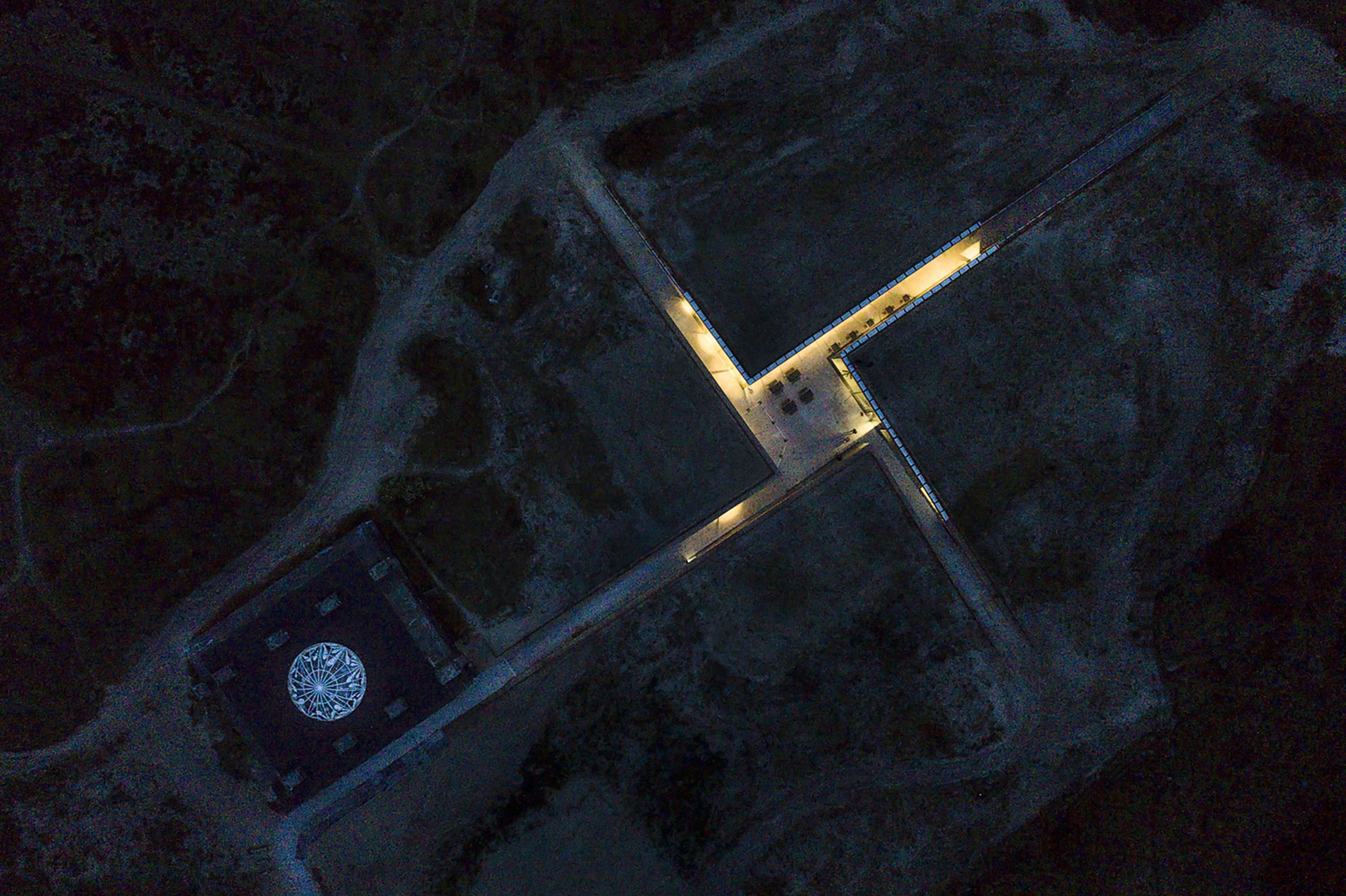
Photo: Laurian Ghinitoiu

Photo: Mike Bink
The Tirpitz bunker itself is part of the unfinished plan of the network of defensive structures "Atlantic Wall". Currently, it has become a key fragment of the museum exposition, an architectural witness of the global ambitions of the Nazis. The management of the museum and the local authorities expect that Tirpitz will receive at least 100 visitors a year, and this will revive the entire economy of the area.
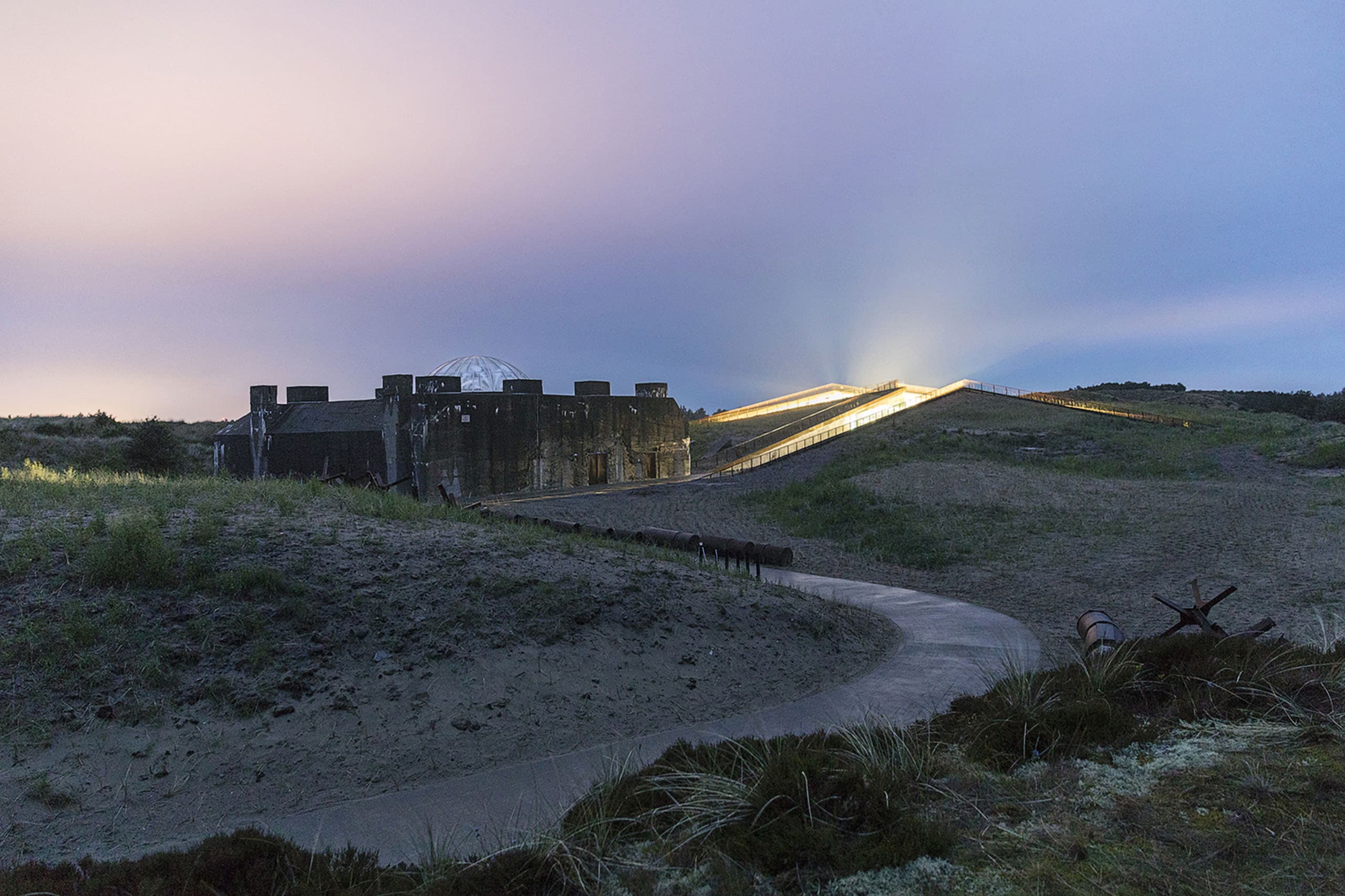
"In a sense, the museum was conceived as the antithesis of the bunker. Dot is a concrete, hermetic object that contrasts sharply with the surrounding area. And the museum is an open, welcoming space among the dunes," says architect Bjarke Ingels. Photo: Laurian Ghinitoiu
We will turn the gun factory… into a flower factory!
Maurice Drewon, the book "Dough the Miracle Worker"
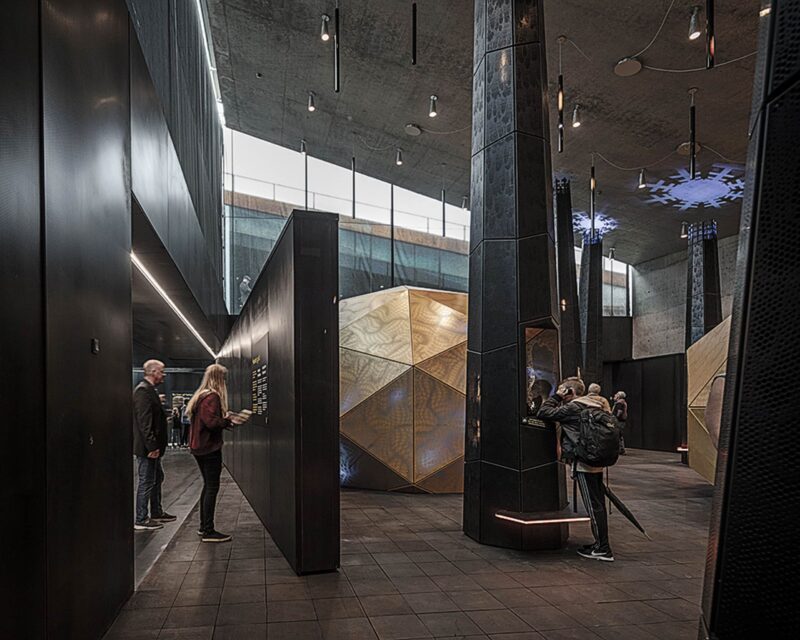
Photo: Rasmus Hjortshøj
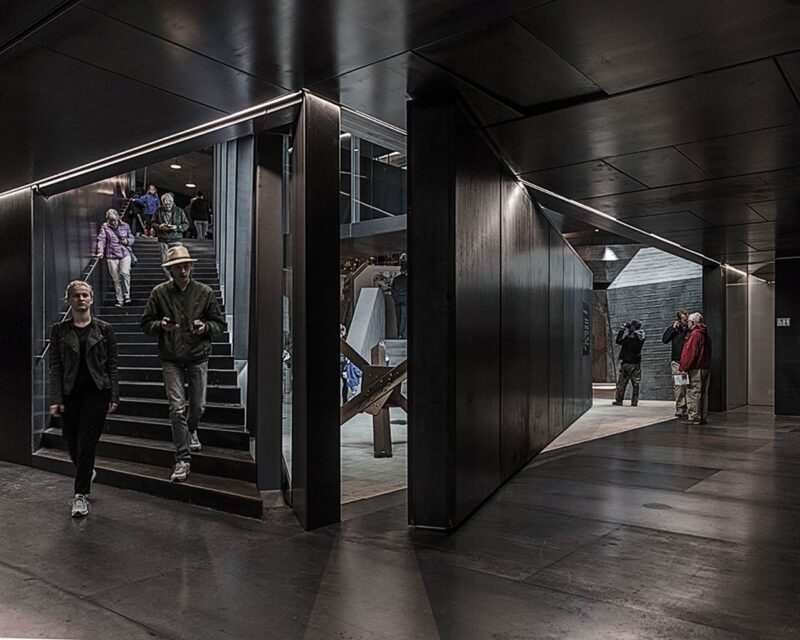
Photo: Rasmus Hjortshøj
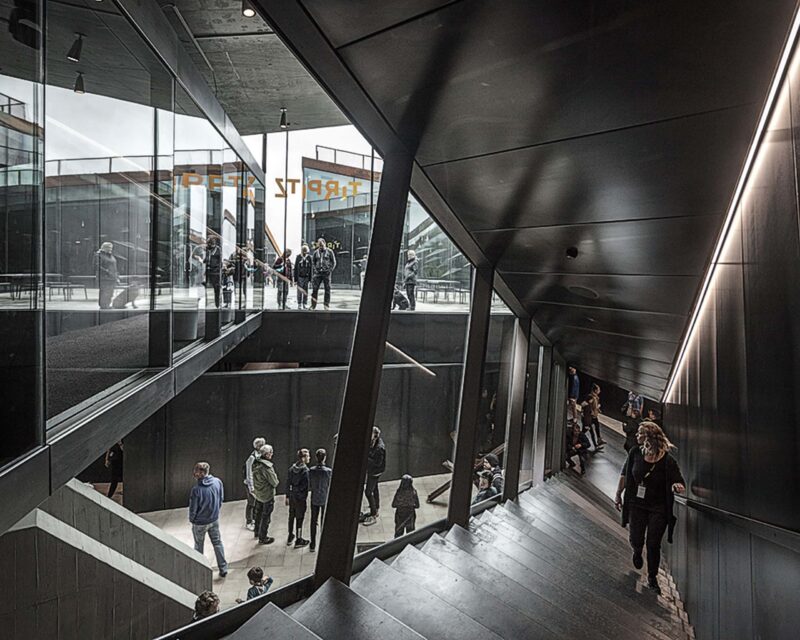
Photo: Rasmus Hjortshøj
Hombroich Museum Island
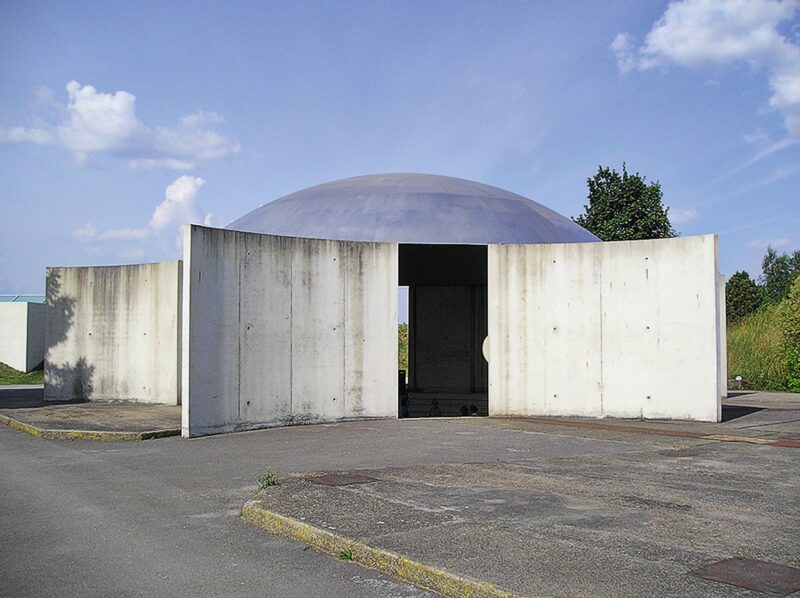
During the Cold War, the Hombroich missile station was a secret, unmarked facility, part of the NATO belt and the location of a Belgian missile squadron. But in 1994, collector Karl-Heinrich Müller bought the PPO base and realized his long-standing dream of a sanctuary for creativity, a cozy place beyond time, fashion trends and everyday worries. Although geographically Hombroich is not an island, conceptually it is a secluded area, an island of cultural treasures.
On 11 hectares, Müller created an art museum, a field museum of printing, a sculpture park and a scientific multidisciplinary center that deals with cultural studies and experiments.
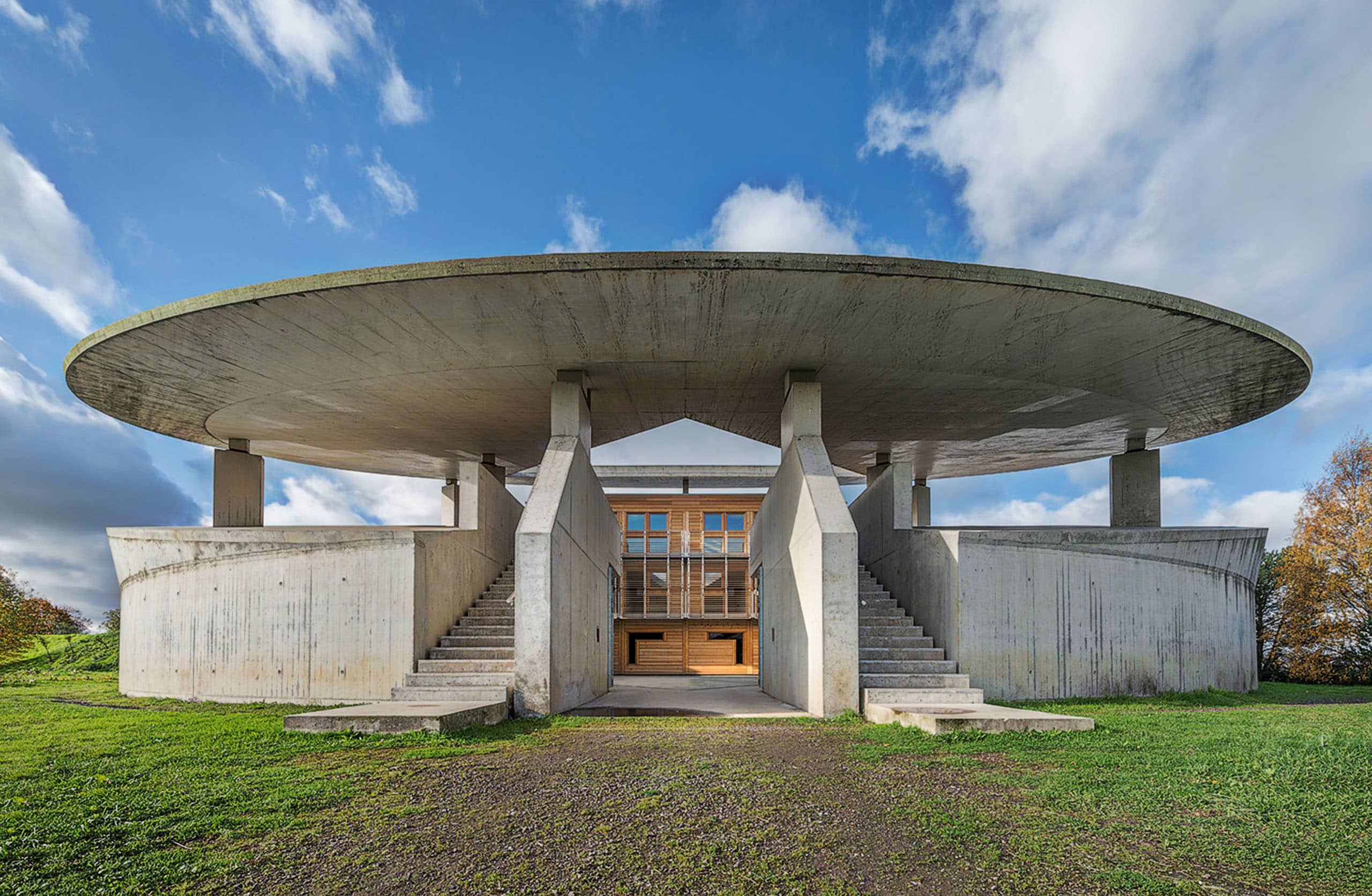
Alvar Siza Pavilion

Alvar Siza Pavilion
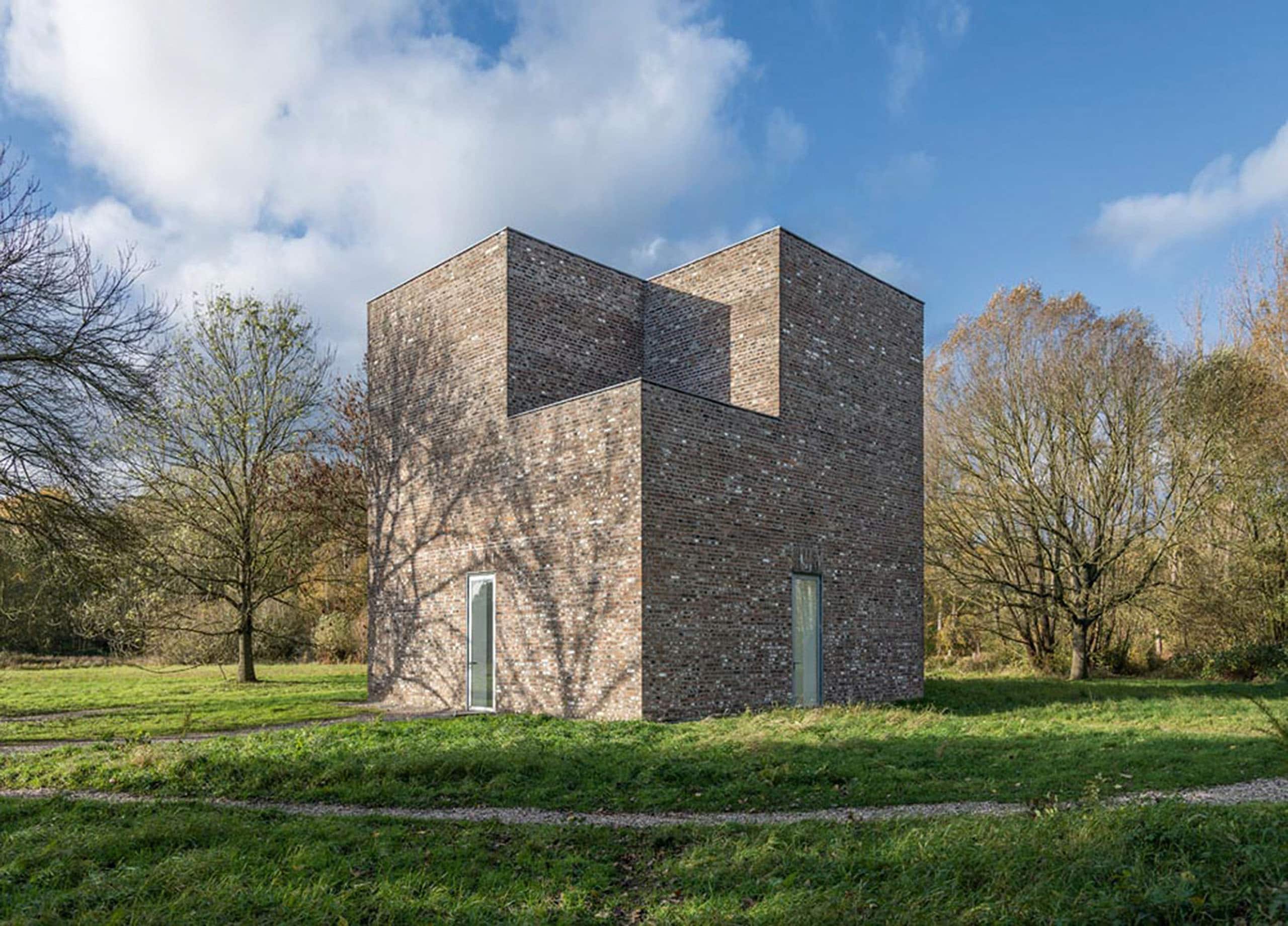
Erwin Gerich Tower. © Tomas Riehle/Arthurimages
Hangars, earthworks, observation towers were repaired and reconstructed. Some of the new buildings are laconic brick sculptures by the Danish architect Per Kirkeby. He, like Raimund Abraham, Tadao Ando, Erwin Gehrich, Rudolf Finsterwalder, Katsuhito Nishikawa and Alvaro Siza are frequent guests at Hombroich.
The exhibition pavilions were built according to the projects of the sculptor Erwin Gerich. The buildings and monumental sculptures in Hombroich's fields, like the exhibits in the art gallery, are devoid of plaques with the names of the artists. The anonymity of art is also one of the components of Müller's hedonistic concept. A person should simply walk around and perceive objects as part of the surrounding landscape. Hombroich's leitmotif became the motto chosen by Müller: "Art is parallel to nature."
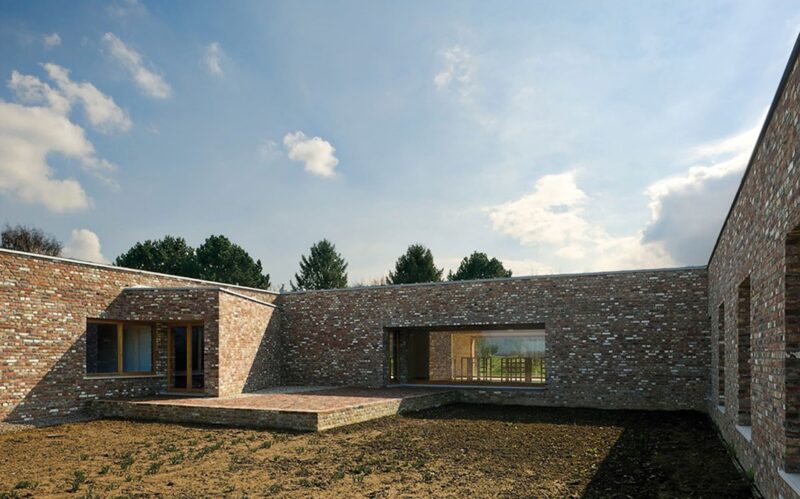
Erwin Gerich Guest House. © Tomas Riehle / Arturimages
Katsuhito Nishikawa Pavilion. © Tomas Riehle / Arturimages
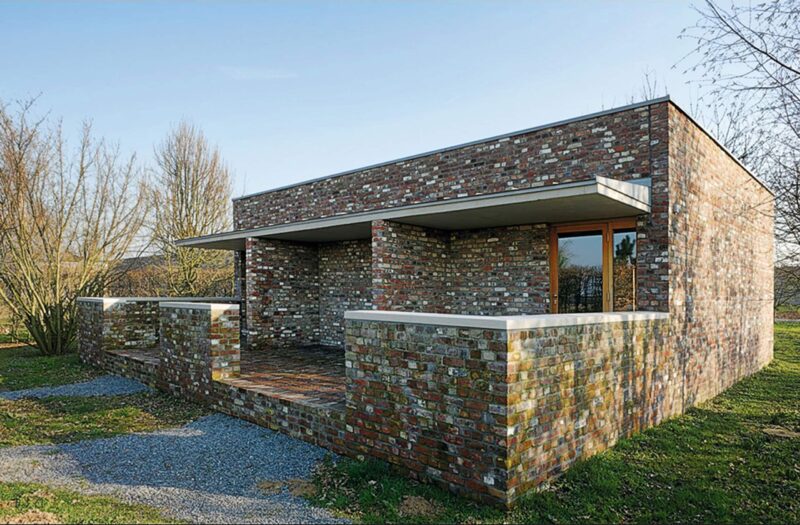
Pera Kirkeby Pavilion. © Tomas Riehle / Arturimages
The anti-militaristic idea of the island-museum of Hombroich can be read at every step, in every stone, hill, overgrown with grass, watchtower. Where guns thundered, now poets speak.
Cactus park on the site of a military base
The cultural desire to convert military objects into artistic ones is a trend not only in Europe and America, but worldwide. Here is another example: the territory of a military base in the Penghu Archipelago in Taiwan has today been transformed into a nature reserve with a landscaped park, fruit plantations and greenhouses where rare cacti and succulents are cultivated.
Part of the surviving buildings of the fort have been converted into temporary housing and are used as an "artists' village" for those who want to relax, admire the basalt rocks and views of the South China Sea. To attract tourists, cultural events and exhibitions are regularly held here. The government of Penghu District considers the maximum task to restore the natural environment and return it to the "pre-militaristic" ecological state.
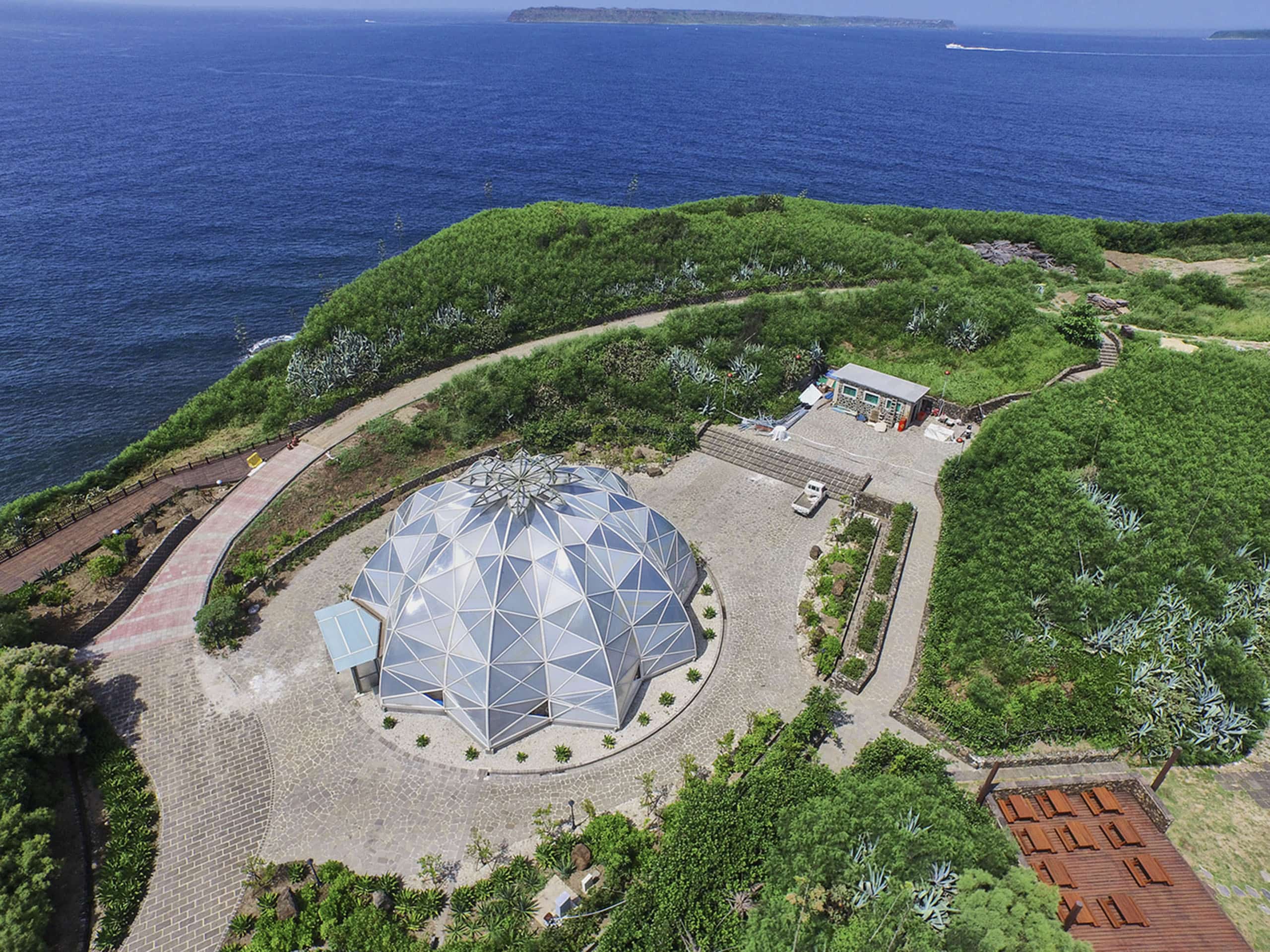
The territory of the military base on the Penghu Fujuei archipelago in Taiwan has today been transformed into a nature reserve with a landscape park, fruit plantations and greenhouses where rare cacti and succulents are cultivated. Image source: CCL Architects & Planners
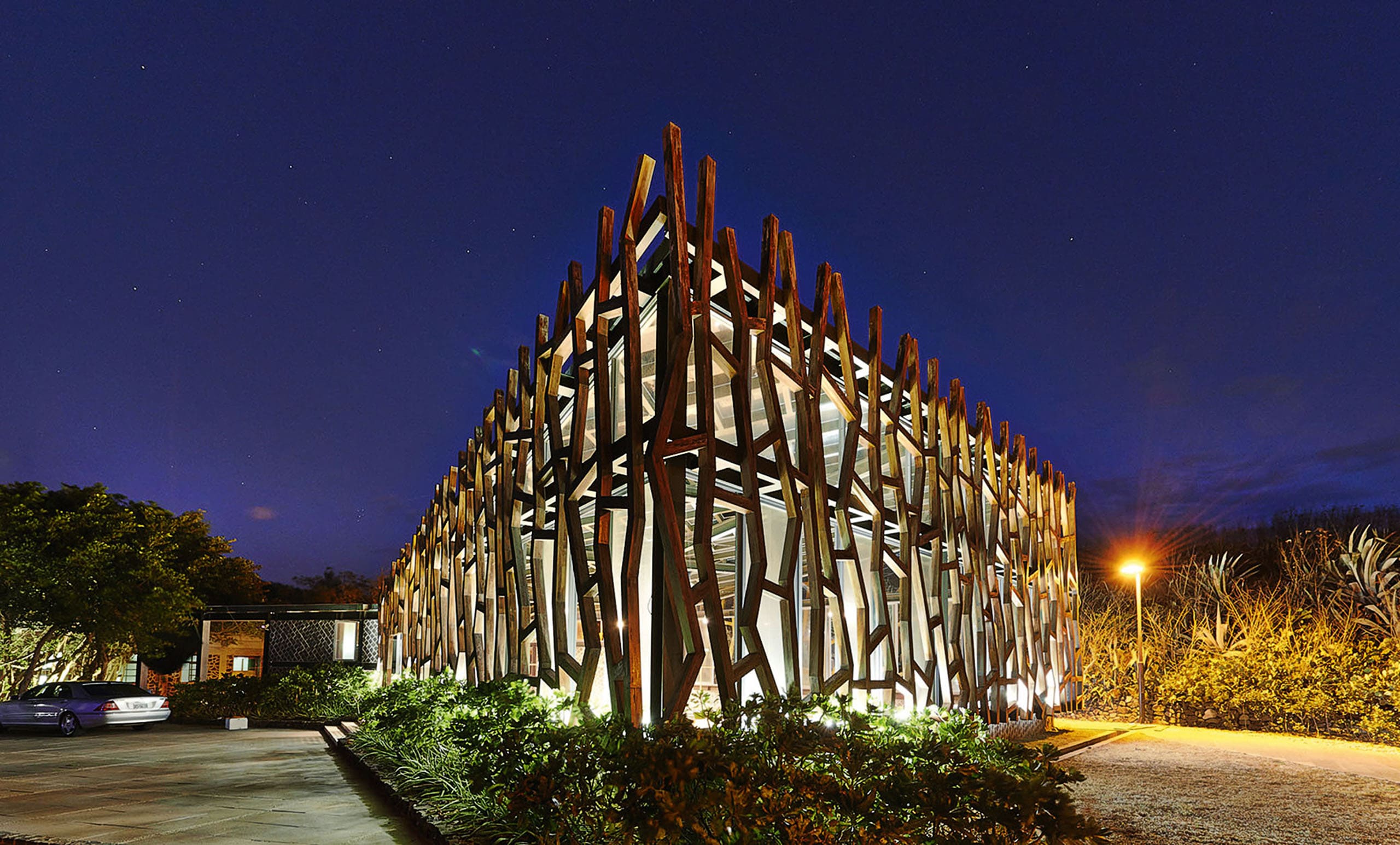
Photo: Lin Fu Ming
The plant was operating at full capacity. The nine pipes were covered from top to bottom with luscious greenery and bright flowers. The shops smelled of rare smells.
Maurice Drewon, the book "Dough the Miracle Worker"
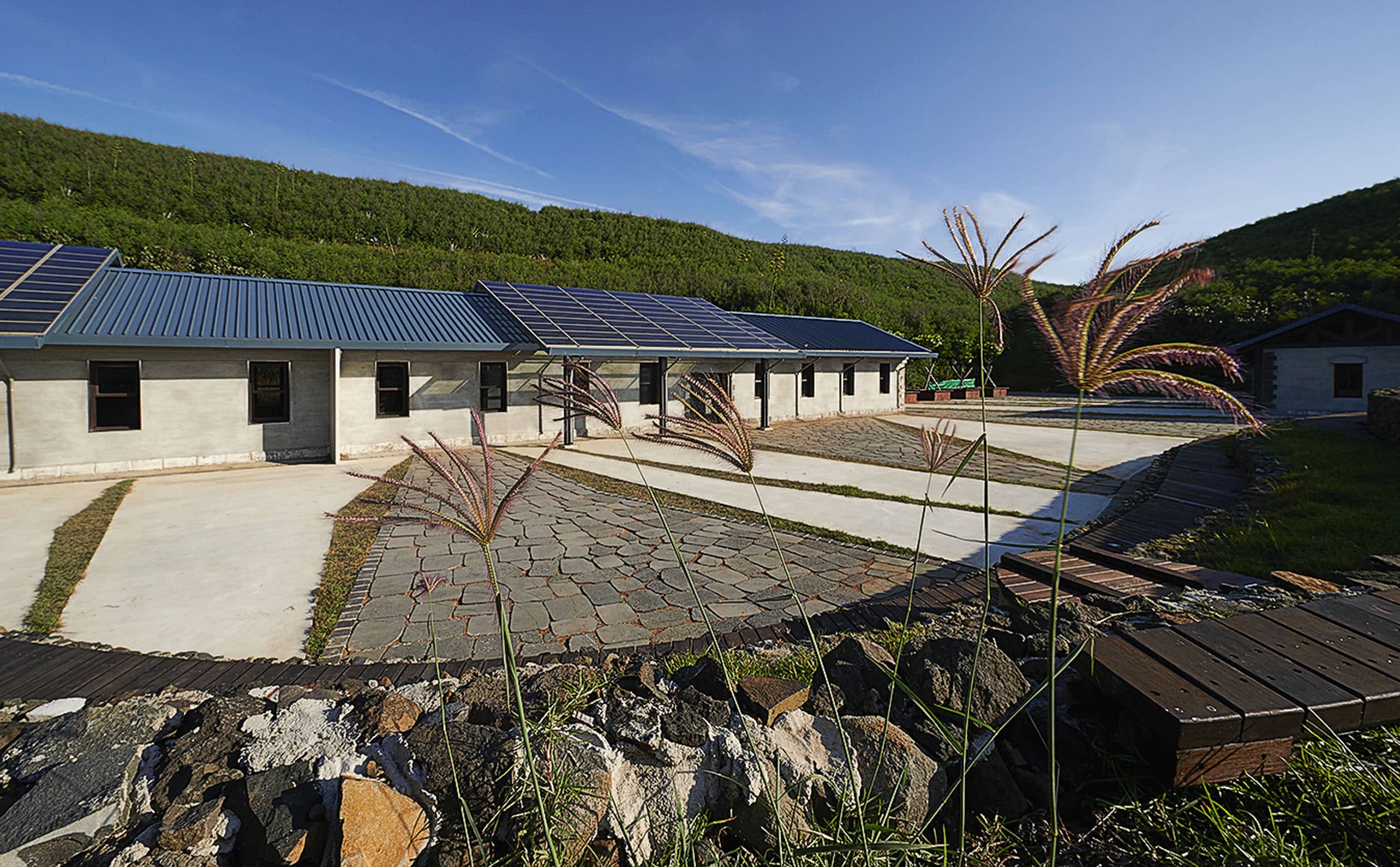
The territory of the military base on the Penghu Fujuei archipelago in Taiwan has today been turned into a nature reserve. Photo: Lin Fu Ming

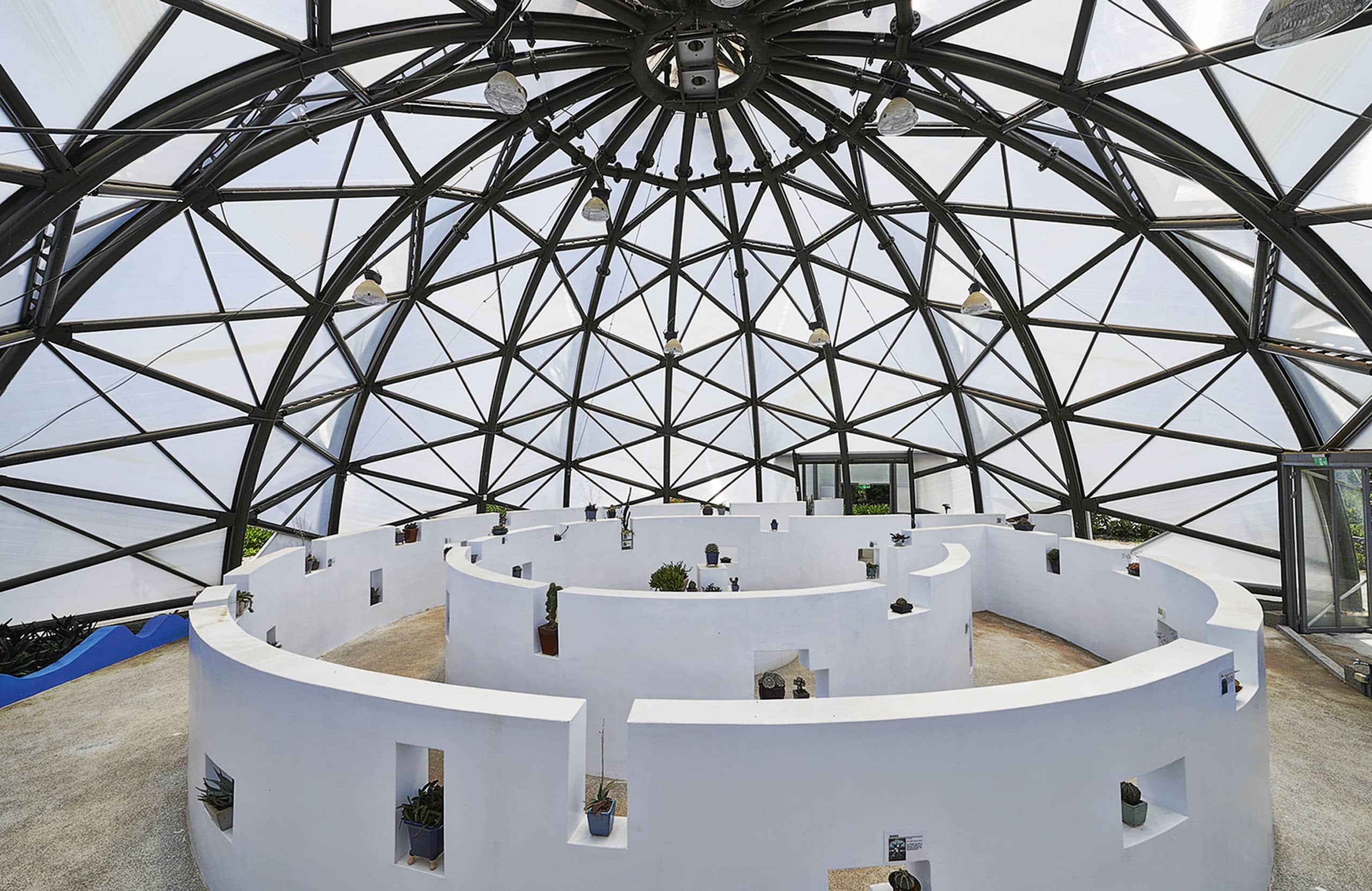
Photo: Lin Fu Ming
Projection on Kyiv:
Viktor Griza about the under-conversion of the Kyiv fortress
If we talk about military conversion, an inspiring example can be given by the "Art Arsenal", which gathers queues for every cultural event. Nataliya Zabolotna became the driving force behind the transformation of a large building made of yellow Kyiv bricks into a European-level cultural venue, who during the years of Arsenal's management implemented dozens of large-scale exhibitions and groundbreaking, by Ukrainian standards, events within its walls.
But all the steps to create a flagship cultural institution of Ukraine would be impossible without the curatorship of Bankova. The work of museum workers and gallerists regarding the conversion of the Arsenal was preceded by several decrees of the President V.A. Yushchenko and the resolution of the Cabinet of Ministers on the transfer of the facility from the management of the Ministry of Culture to the AP.
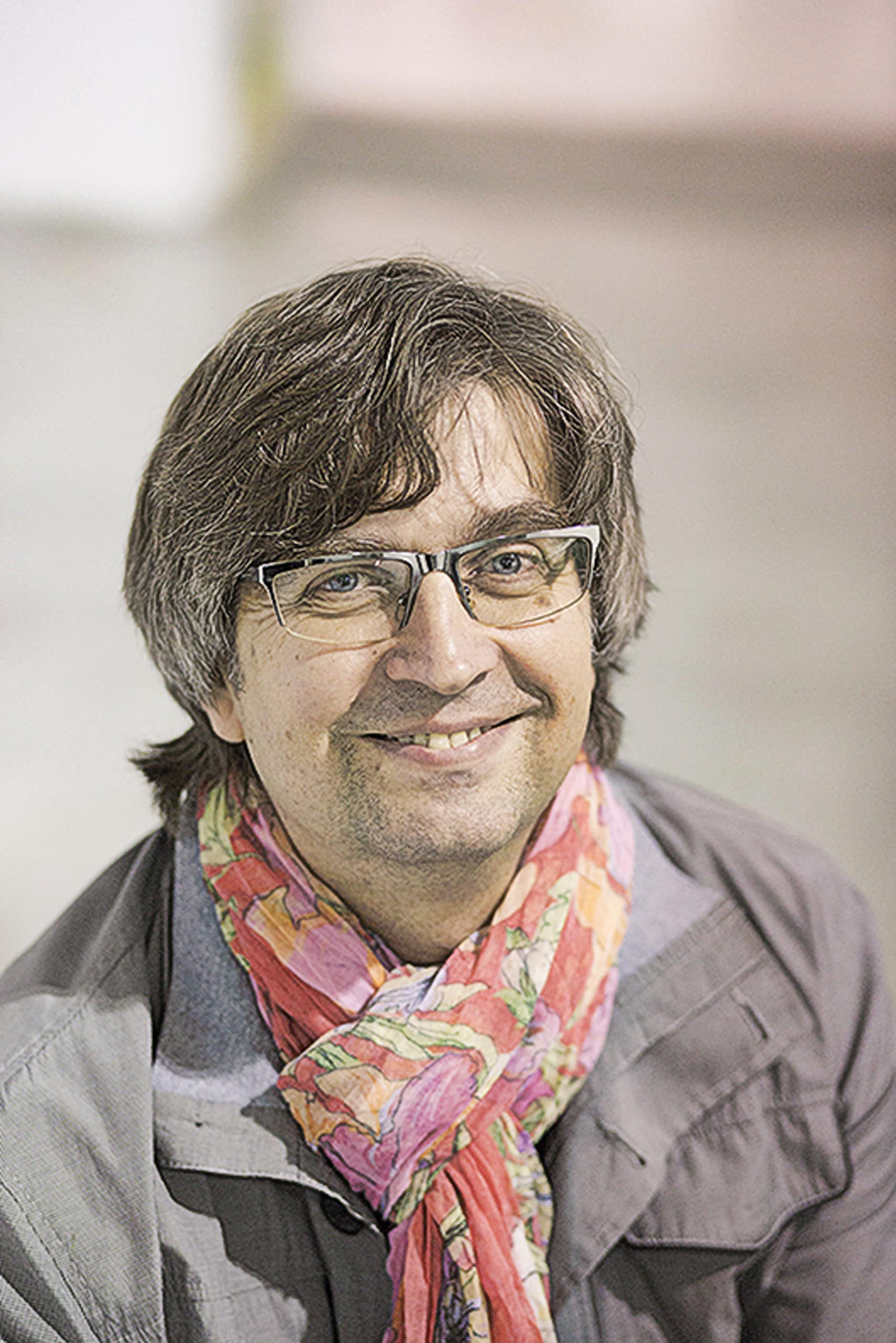
Viktor Hryza, candidate of historical sciences, honored worker of culture, head of the project to create the House-Museum of Igor Sikorsky, art viewer
The development of the creative economy in Ukraine on the basis of state and communal property is impossible without the intervention of the highest-level officials - Viktor Griza, an art producer and artist, believes this based on his personal experience. Due to the hostilities in Donbas, large-scale cultural projects that he oversaw in Donetsk were canceled.
In the capital, Viktor, having studied the cultural environment of the city, proposed the concept of development of the "Kyiv fortress" museum, promising to turn it into a platform for collaborations of world-class creative industries. The concept remained on paper, but Viktor now knows about the existing stumbling blocks firsthand.
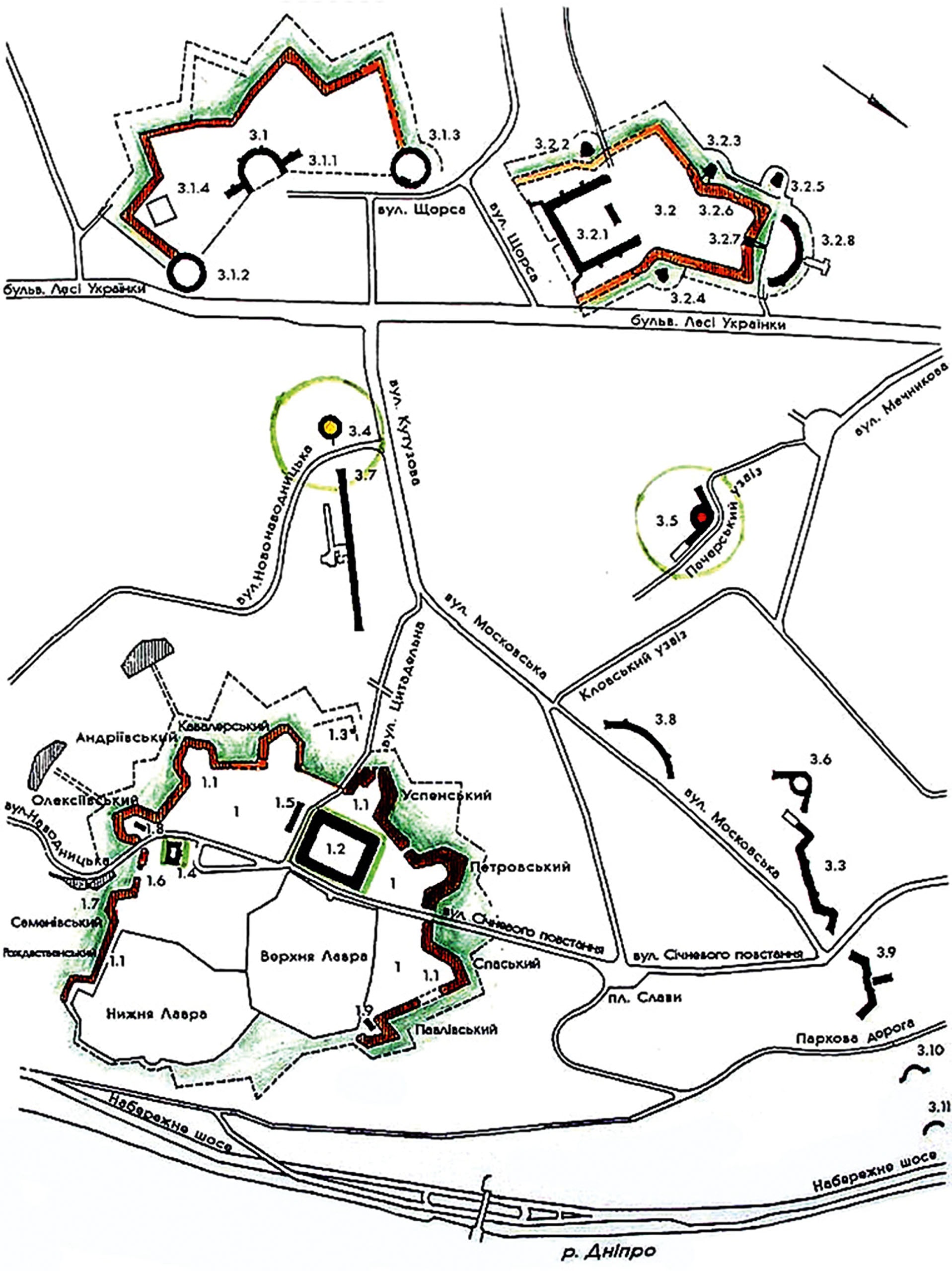
Plan and objects of the Kyiv fortress
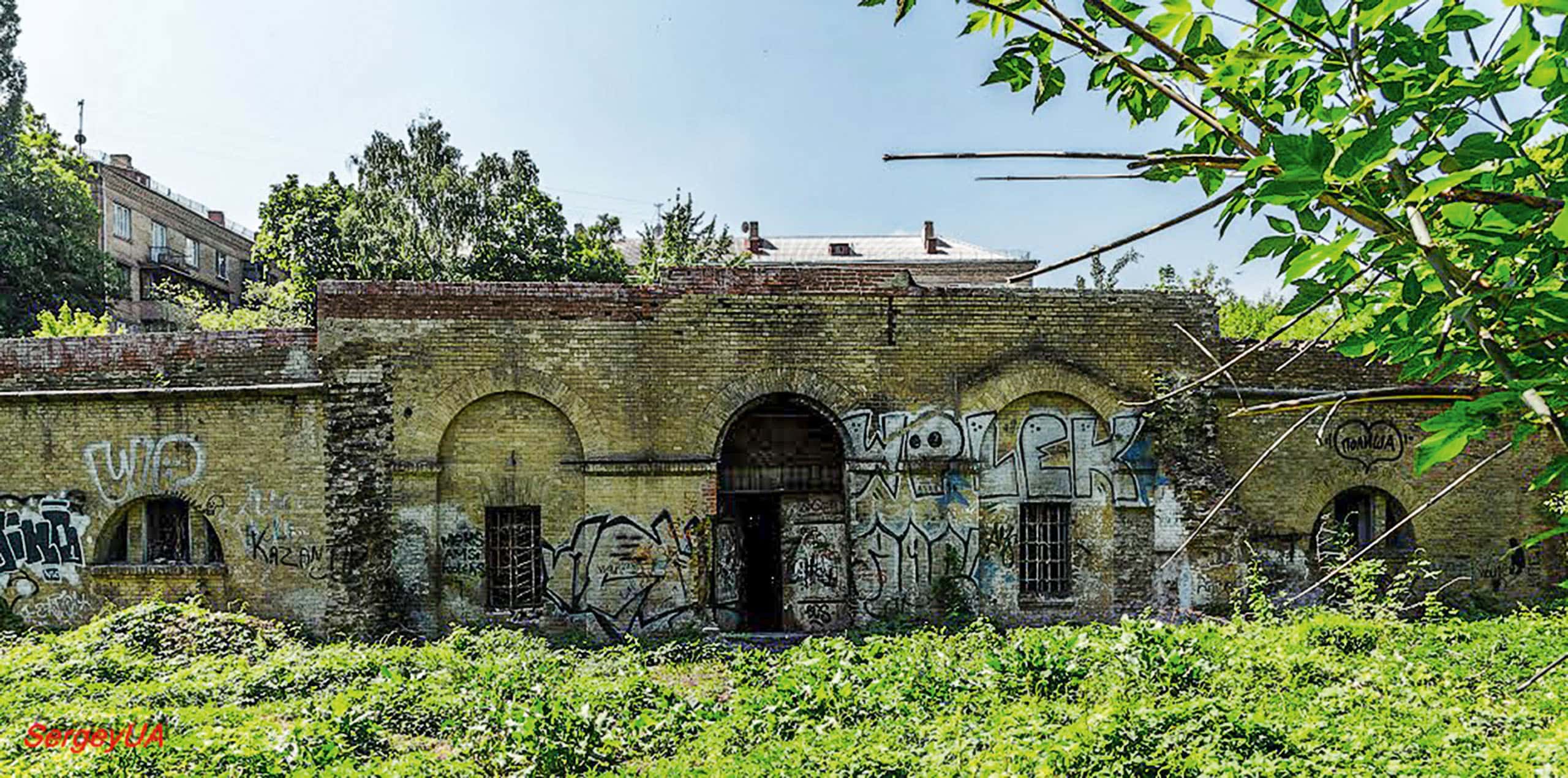
National Historical and Architectural Museum "Kyiv Fortress". Photo: Viktor Griza
The National Historical and Architectural Museum "Kyiv Fortress" is a grand complex of buildings and structures that have long been not military, but purely architectural objects with a huge territory of the so-called "Lysohirsky Fort" in the Vydubychy district. Towers and caponiers in the center of Kyiv are attractive from a commercial point of view, so many of them were privatized in the first years of independence.
Part of the caponirs remained useless and is in a dilapidated state. On the territory adjacent to the military hospital of the Ministry of Defense of Ukraine, there are several objects interesting from the point of view of revitalization, which have the status of historical and architectural monuments and formally belong to the municipal property.
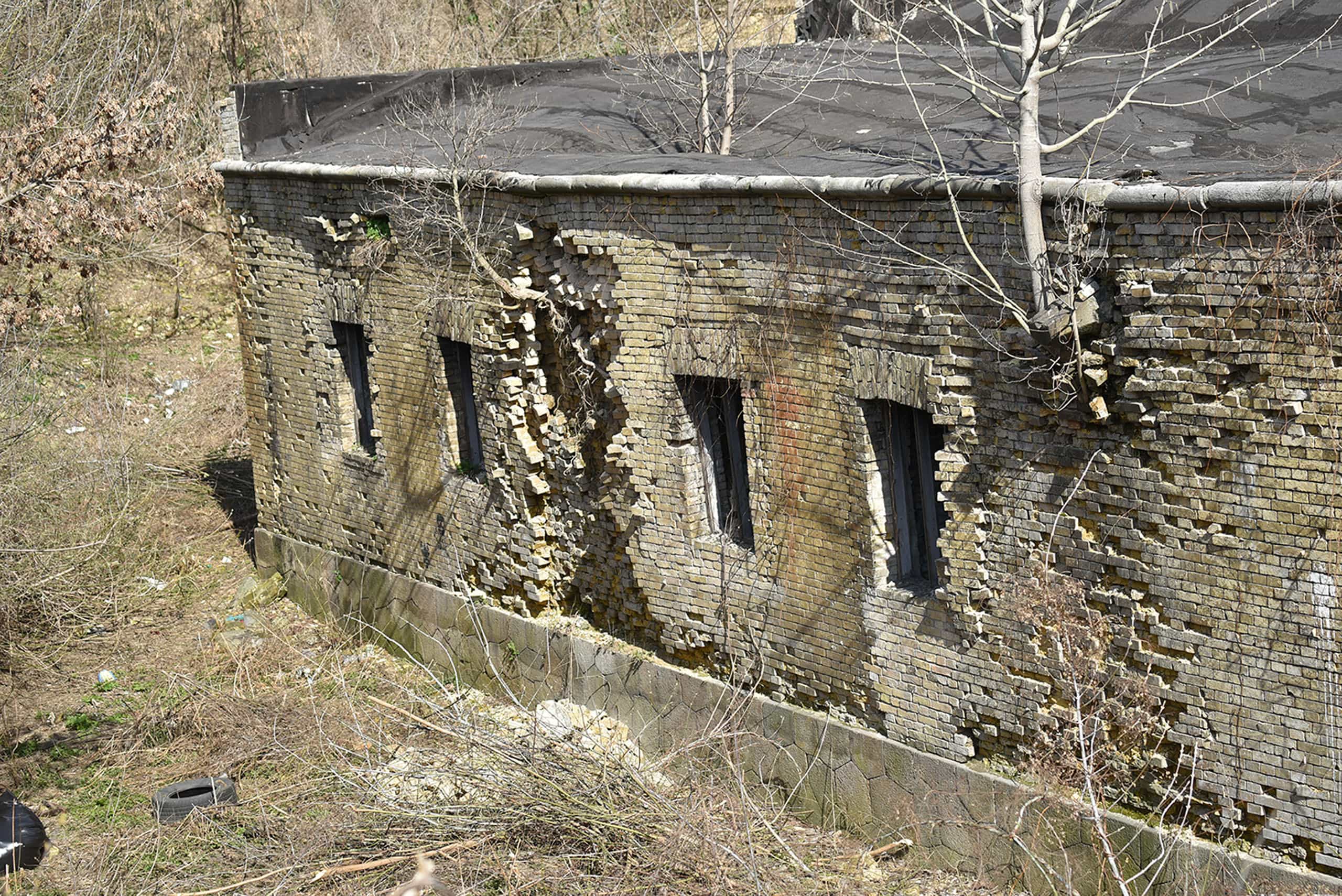
Photo: Viktor Griza
In Kosomy Kaponir there is a memorial exhibition of casemates, where Polish activists were held after the uprising of 1863, exhibitions of modern art are held on the square in front of the southern tower of the Hospital Fortification, but Victor Griza believes that the creative potential of the museum is used less than a quarter.
Viktor Griza: "How attractive these exhibits are is a rather controversial question, because the memorial function itself is rather sad, and there are no programs that could generate a cash flow and attract visitors (interactive and role-playing games, military-historical reconstructions).
For example, you can't stay overnight in a prison cell, you can't eat street food, you won't be sent out to clean the yard in a slave, you can only go in and bow your head. From the point of view of entertainment, this is an ungrateful thing."
The inertia of lack of creativity, underdevelopment is still a restraining factor and an obstacle to the museum sphere becoming financially self-sufficient
As Viktor Griza explained, the development of the museum is primarily limited by the status of a historical and architectural monument, which does not allow any architectural interventions, as well as the fact that most of the territory is still not demarcated between the museum and the military hospital.
The Ministry of Defense does not want to give up a single inch of land, and the museum, not having any economic rights, is burdened with a lot of obligations, including the cleaning and protection of the territory. Huddled, in fact, in several rooms of the right wing of the military clinic.
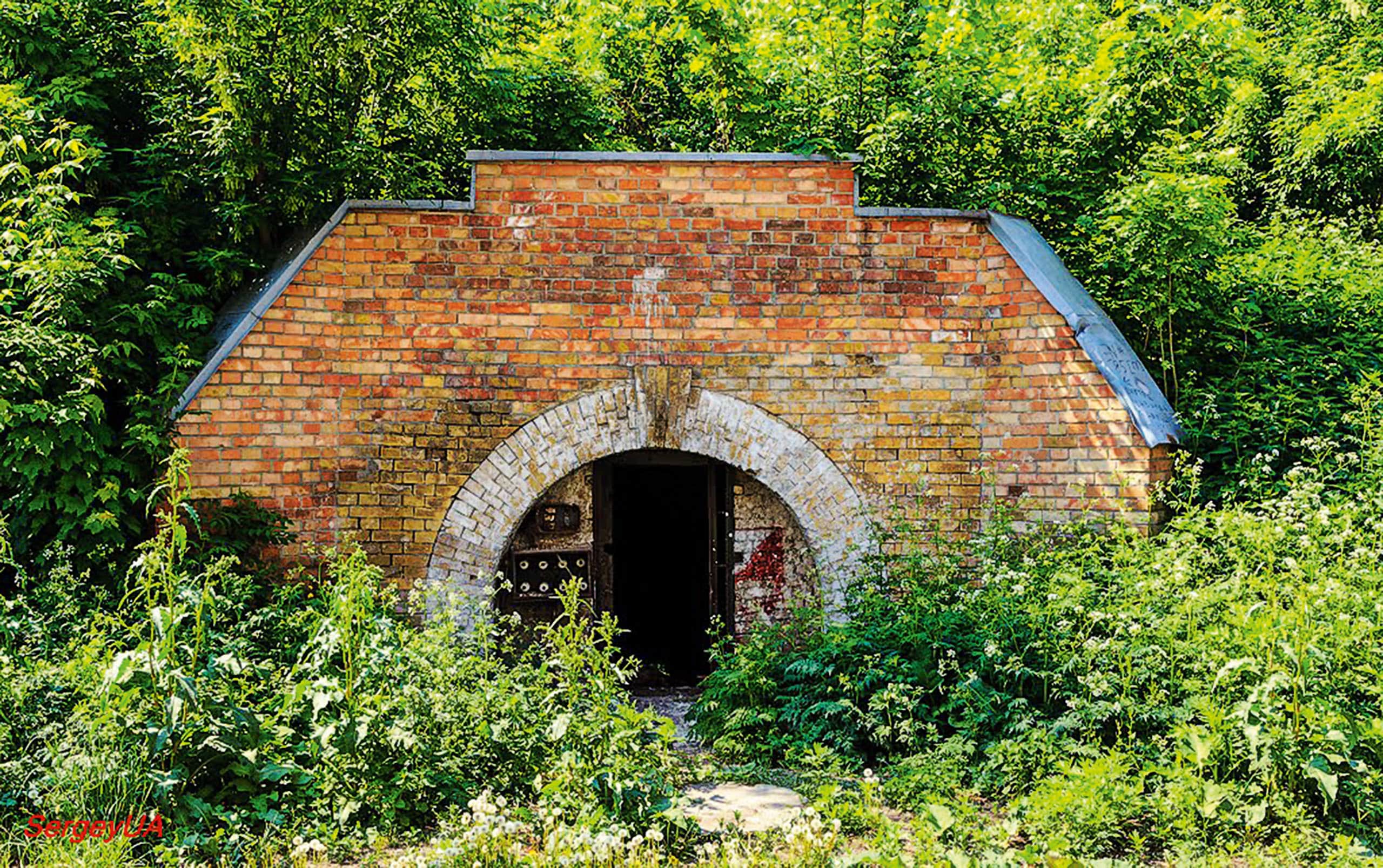
Photo: Viktor Griza
Victor Griza: "The potential of the Kyiv Fortress is huge, but there are no legislative conditions for the development of this potential. From the very beginning, the museum sphere in our country was determined not to preserve or hide, but to develop, to entertain, to make it truly part of culture, part of the way of life - such an attitude does not exist to this day. This inertia of lack of creativity and underdevelopment is still a restraining factor and an obstacle to the museum sphere becoming financially self-sufficient."
Random attempts by enthusiasts to revitalize the Kyiv fortress exist. For several years now, the Maskam Rad Theater has been holding performances in the fortress, in which both amateurs and professional actors participate, and organizes festivals of children's theaters and historical documentaries, which, according to Griza, are attended by a "despicably small number of spectators." Although when the play "The Same Munchausen" is played against the background of ancient walls, it is inspiring.
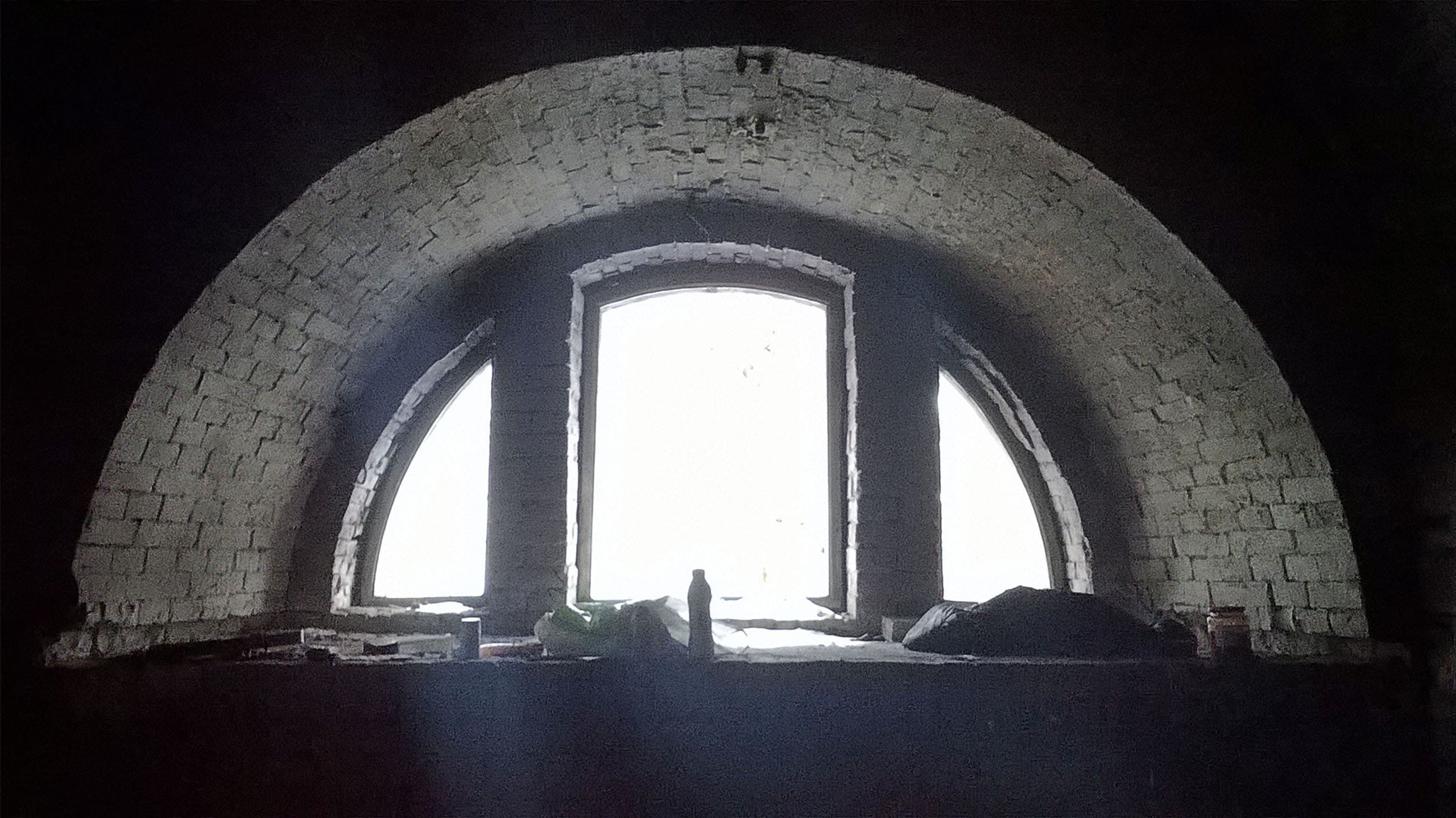
Photo: Viktor Griza
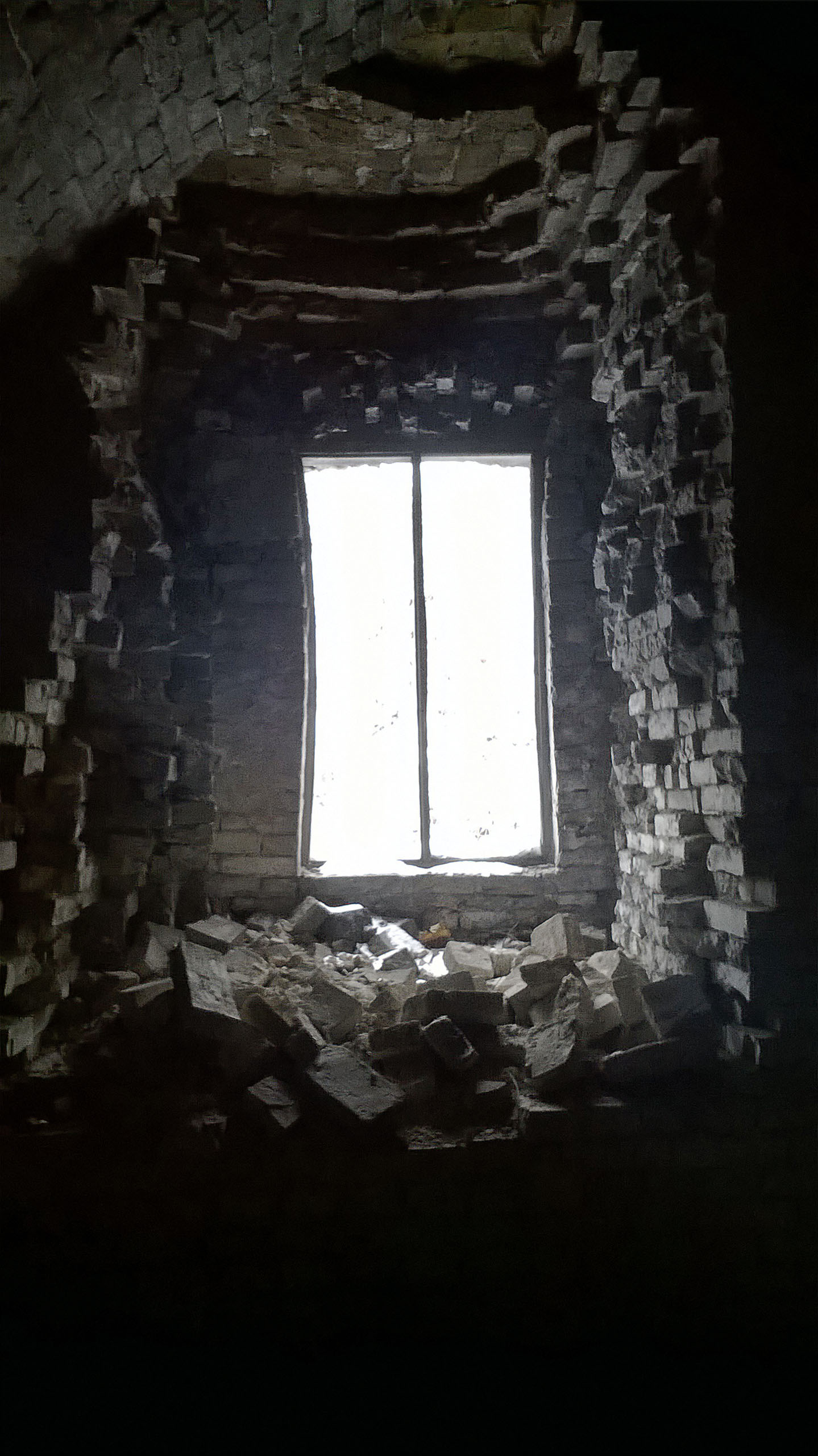
Photo: Viktor Griza
Victor Griza: "At some point it fascinated me and seemed interesting: to realize some ideas in the format of the revitalized First Caponir at the end of Laboratory Lane. We started cleaning the area around the caponir, we were ready to start repairing the interior spaces. There were no doors, no windows, nothing, but its attractive architecture and favorable location made us optimistic.
The concept was drawn up, submitted to the director of the museum and received approval, which, however, was legally void: the director, as well as the direct leadership in the Department of Culture of the KMDA, are deprived of the opportunity to influence legislation."
The revitalization concept drawn up by Viktor Griza and his associates involved a departure from the military context. It was necessary to change the memorial function to an entertaining and cultural one, to develop a creative mythology. Baron Munchausen's apartment, the training ground of the brave soldier Shveik, Svyatoslav's armory, Casanova's asylum, Taras Bulba's sichian embassy, Boplan's office, the secret cellar of the Decembrists — there were many ideas, and each one was impressive.
By running a gun factory, you harden your soul.
Maurice Drewon, the book "Dough the Miracle Worker"
Victor Griza: "However, the introduction of tenders for the positions of directors of cultural facilities (the Law "On Amendments to Certain Legislative Acts of Ukraine on the Introduction of the Contractual Form of Work in the Field of Culture and the Tender Procedure for the Appointment of Managers of State and Communal Cultural Institutions", — Ed. note) slowed down the whole process.
The procedure of the contests themselves has been bureaucratized and politicized. And the further we went, the more we understood that the Kyiv fortress is too sweet an object for many interested parties. And these parties consider it not as a potential for the creative economy, but in a more prosaic way — as a territory for the development of their construction business. Therefore, having realized that it is impossible to realize our idea within the framework of the current legislation without the risk of losing the results of work, we decided to stay away from this process."
To what extent is the topic of military conversion appropriate in a country that is at war, in a state that has undergone aggression? Now we should talk about the need to build potential, train muscles, build new factories and missile mines, and not propose turning military factories into museums, someone will say.
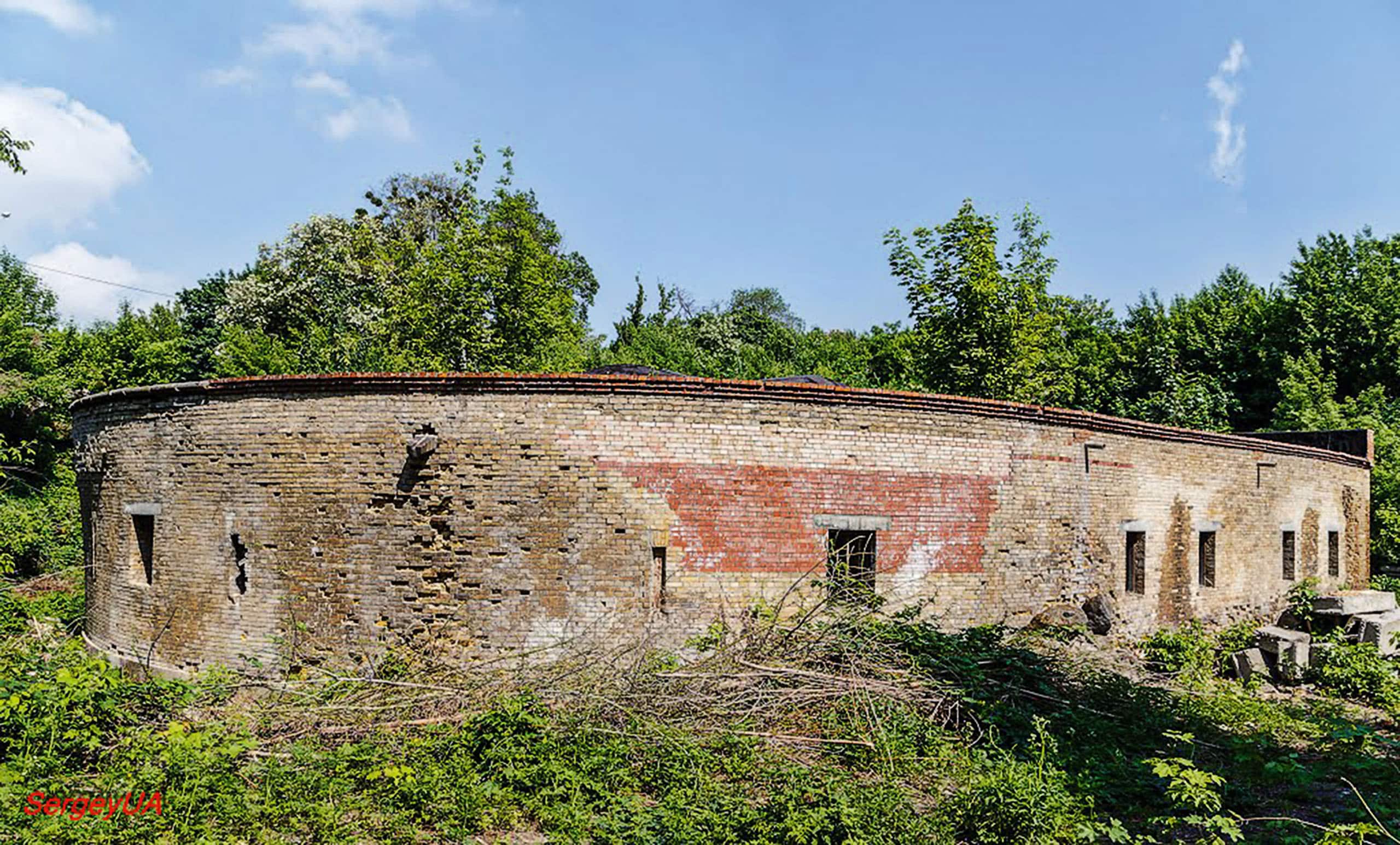 Photo: Viktor Griza
We are not naive enough to claim that art can stop wars, and turning bunkers into museums can heal war wounds. In the dynamics of military conversion, we see a powerful welcome message, a red line in an architectural palimpsest. The desire of creative people to transform objects created for the purpose of murder into art museums, galleries, and sculptures is a primordial and humanistic process of opposing birth to death, creation to destruction.


