Oleksandr Stolovy's comment on the material "On the cutting edge of the trend. How cities and people turn global problems for good".
PRAGMATIKA.MEDIA: You once stated on your Facebook that the people of Kyiv do not have "a clue in their heads to understand how original and unique Kyiv is, so as not to copy and paste the projects of Moscow architects, who, due to the problems of their own stupidity, blindly take them from the Dutch." Why do Ukrainian designers do this?
Oleksandr Stolovy: I think they just choose the easiest way. Even if we take into account the fact that we are formally in the same language field, it is much easier for us not to learn English, but to use information within related languages. I do not believe that there are any hidden inclinations to the Moscow style or that people who copy the projects are counting on some privileges.
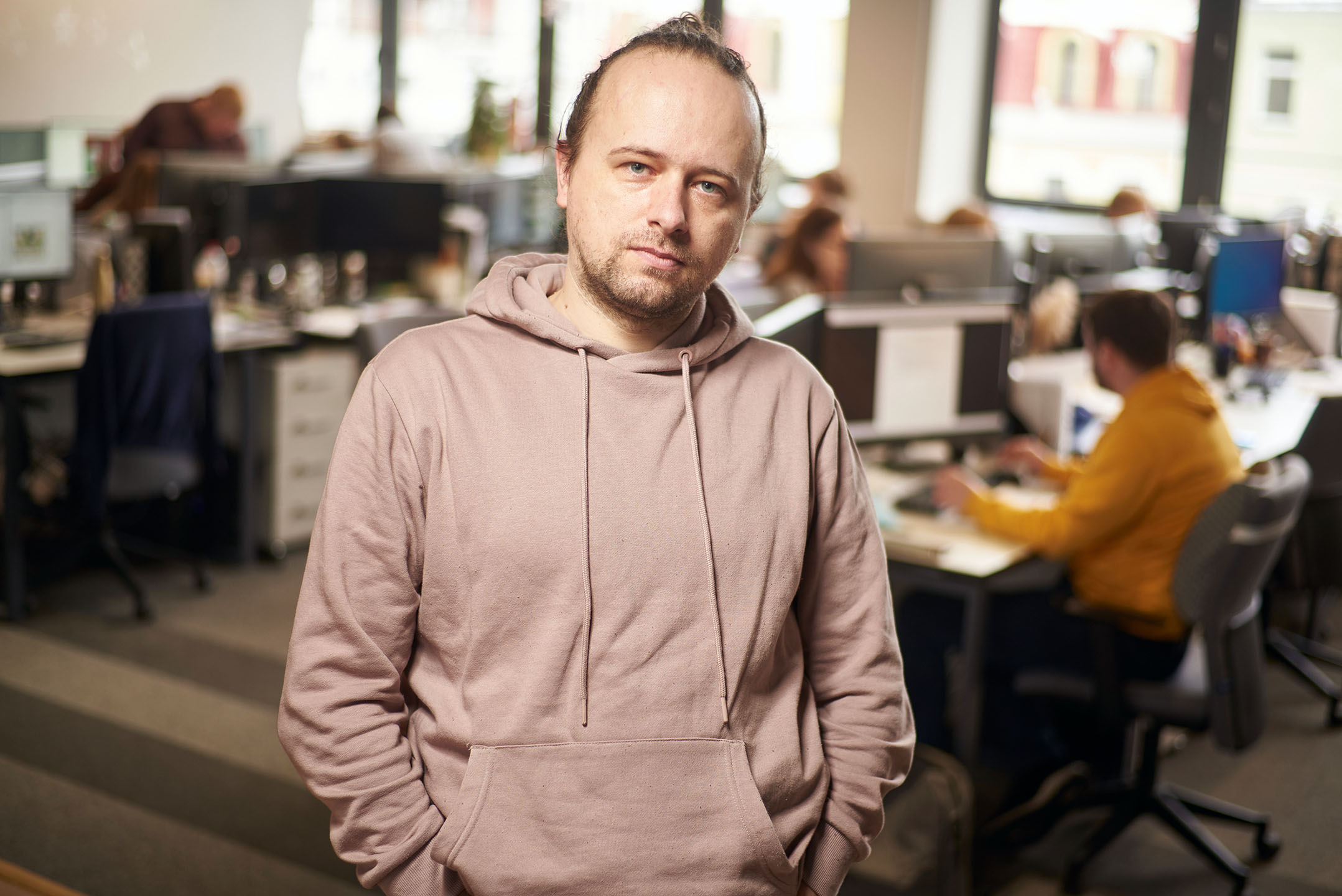
Oleksandr Stolovy, architect, archimatika company
Everything is easier. If the majority of people in our society were fluent in English, German and other European languages, then we would directly copy from the Dutch. The reason is banal laziness.
Lazy is not just learning another language or translating, lazy to adapt architectural and planning solutions to our legislative field. And since the Russian legal framework was very similar to ours for a long time, it is easier to adapt. I think this is the reason.
PM: How can you avoid the cargo cult in architecture, given the acute shortage of original and unique ideas and the desire of the majority to follow a certain trend, the mainstream?
O. S.: For me, all architects and even architectural schools are conditionally divided into three types according to the level of searching for ideas and working with them. The first type that happens most often in our market is when people open Pinterest or another photo resource, they like the shape, and they copy it.
Of course, they have to adapt it, since each country has its own building regulations, context, and its own prism of perception, and for sure "one to one" will not work. Most of the architectural projects on the Ukrainian market are just like that, that is, formalism flourishes here. For example, I saw triangular consoles and thought: oh, I'll get one for myself.
The second type of architects are architects who copy the concept, structure, essence. They like meaning, for example, this or that combination of functional connections. Or the search for interaction is carried out when premium-class housing is combined with more democratic apartments.
Mixing social strata in one quarter removes the risk of social stratification, people simply do not feel it. Cool, why not, for us all this is also relevant. But there are very few such architects in Ukraine, you can count them on the fingers of one hand.
But the highest level of creativity is architects who take ideas from other fields. They are looking for them at the border, at the junction and intersection of different specialties and different disciplines. For example, this is how Zaha Hadid designed it. Architects known all over the world are known for being able to generate and bring something new to architecture. Innovative ideas did not arise from a vacuum, all these people studied some related or not related profession at all, borrowed concepts or processes from it and integrated them into architecture.
The highest level of creativity comes from architects who take ideas from other fields
At a certain period of my life, I was engaged in choreography, and when the teacher explained the theory of what modern choreography is, I caught myself thinking that similar processes are taking place in architecture, so why not complement them?
I even had an idea: it would be nice to invite experts from other fields to our "Architectural Wednesdays" at archimatika, who would tell us about modern cooking, modern rock music or modern stagecraft. I think that a lot of new ideas would appear due to such communication.
PM: All ideas must be tested, and Ukrainian developers prefer concepts that are already working successfully.
O. S.: Architecture is also about experiment. We do not so often implement architectural experiments, but they do exist. For example, "Comfort Town" became known outside of Ukraine only because we agreed on the concept and persuaded the client to experiment with color and shape. And it gave results. Yes, experiments are not always successful, but they must take place. Otherwise there will be no development.
Main photo: Unsplash.com/Maryna Nikolaieva
Read also
Kyrylo Stepanets: The urban exploration trend will not save old houses
Mykola Chepelev: All we have left is copypaste and cargo cult