


Back in 2016, when the top major urban innovations were formulated at the World Economic Forum in Davos, the topic "Controlling and ensuring the growth of green plantings with the help of social networks" was in third place. In the following three years, it developed. The founder of the Beloded Landscaping bureau, an active member of the Society of Garden Designers (SGD), talks about the smartization of green processes, the forms it acquires, and the fruits of the technical revolution in agriculture, which we can already use today to manage urban gardens. ) Lyudmila Beloded.
Lyudmila Beloded, landscape designer, director and founder of Beloded Landscaping bureau
Talk to the trees
In the public ecological park CERES in the suburbs of Melbourne in Australia, sensors of water consumption and water stress were installed on the trunks of eucalyptus and casuarina trees last year. First of all, they make it possible to quickly obtain information about the need for watering, because CERES is a man-made forest in a place where there was a desert. Therefore, trees need at least additional watering during periods of extreme heat.
As Professor Scott Rayburg (philosopher, ecologist, geomorphologist and hydrologist) told journalists, timely watering will extend the life of some trees up to 200, and even up to 400 years, since it is the drought today that limits the lifespan of green giants to 70 years.
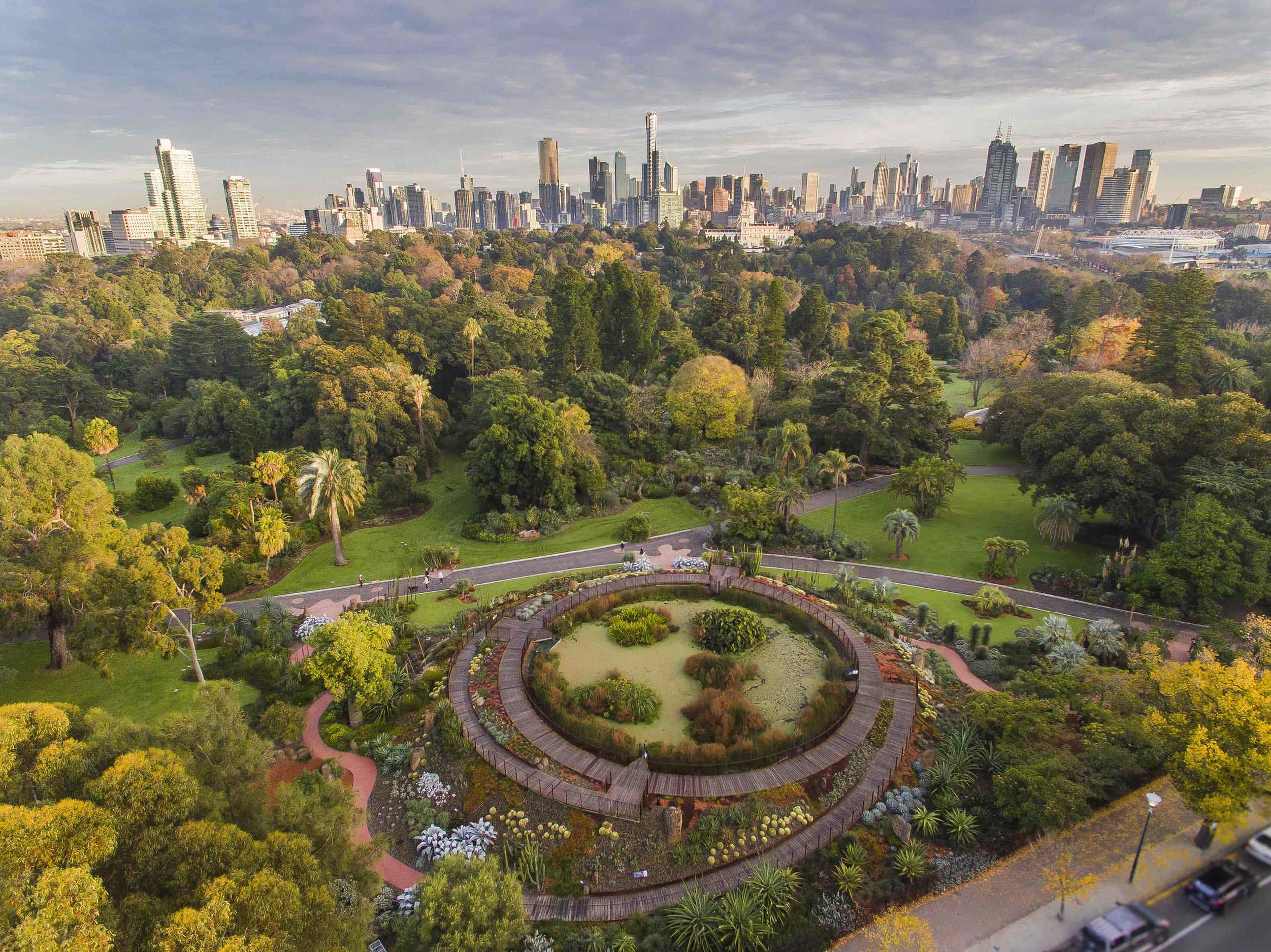
Royal Botanic Gardens Victoria is a botanical garden in Melbourne (Australia). Photo: Adrian Vittorio. Photo source: timeout.com
But the same sensors can be used to give trees the right to vote. Scott Rayburg plans to connect them to an electronic service that will allow people to communicate with the trees. Anyone from Melbourne residents or visitors will be able to request information about the condition of a particular eucalyptus through a smartphone application. And get an answer: the tree will tell you whether it is in order, or will complain about its bad health. For centuries, people have dreamed of talking to trees — and now this moment has arrived, no matter how futuristic it may sound.
In Melbourne, sensors are being used to give trees a voice
Already now, a user from anywhere in the world can go to the website melbourneurbanforestvisual.com.au, where they will find a map with 70 trees of Melbourne. If you move the cursor over the label, you can get information about the breed, the current condition of the tree and even... send an email with comments, wishes, requests to gardeners. On the same site, you can find detailed plans for future landings.
The paradox is that today I can get complete information about each of the trees in Melbourne, Australia, but I know almost nothing about the condition and volume of green plantings in Kyiv!
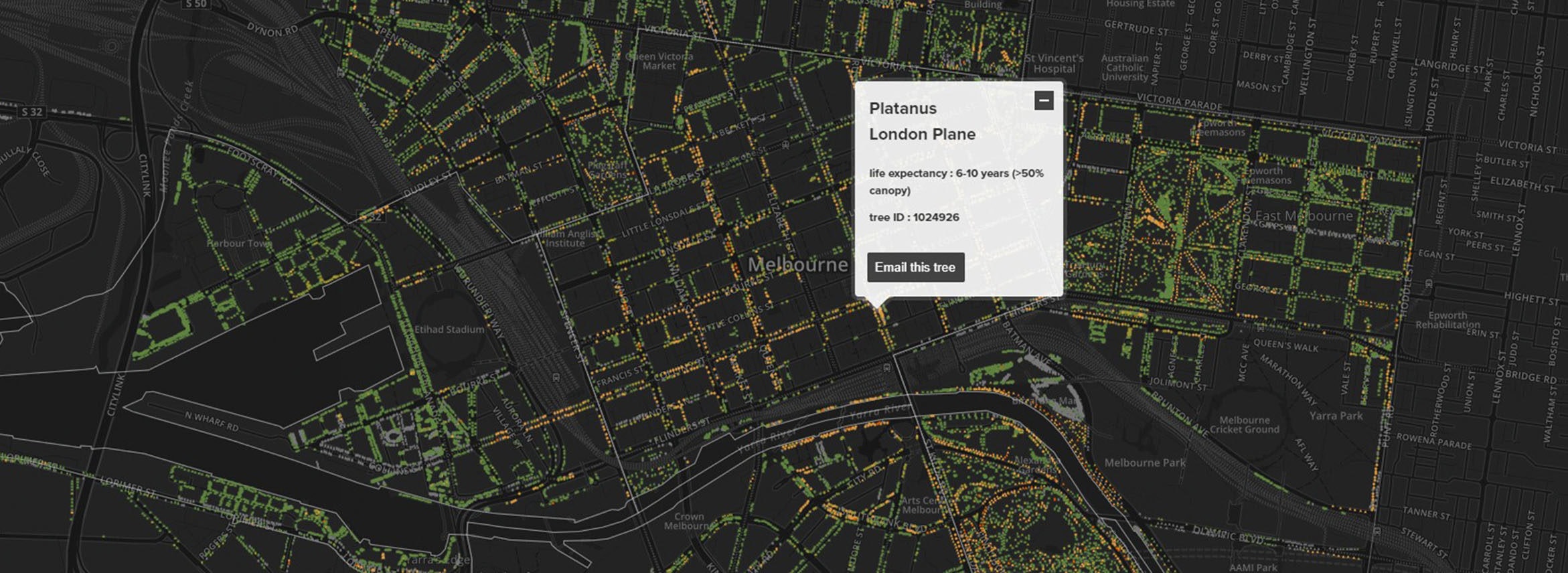
An interactive tree map of Melbourne (Australia) is publicly available at melbourneurbanforestvisual.com.au
Smartization and digitization of all processes, one way or another related to urban greening, is one of the global trends. But in Ukraine, it still exists only in the form of a discussion about whether automatic irrigation systems are needed for parks or whether auto barrels are enough.
iSeed and Boera's green expansion
One of the main presentations at the Smart City Expo World Congress, which took place in Barcelona on November 19-21, was a report on the CO2 REVOLUTION project. The founder of this promising startup is Juan-Carlos Sesma, a process optimization specialist from Madrid. In recent years, he has been working on eliminating the consequences of climate change in Colombia, which is suffering from drought and forest fires. Juan Sesma developed a model for the creation of complete ecosystems on a large scale and a method of planting biodiverse mixed forests in desert areas. The initiators of the international project CO2 REVOLUTION promise to plant 10 billion new trees in the next 10 years, and the cost of planting one will cost only 2 euros.
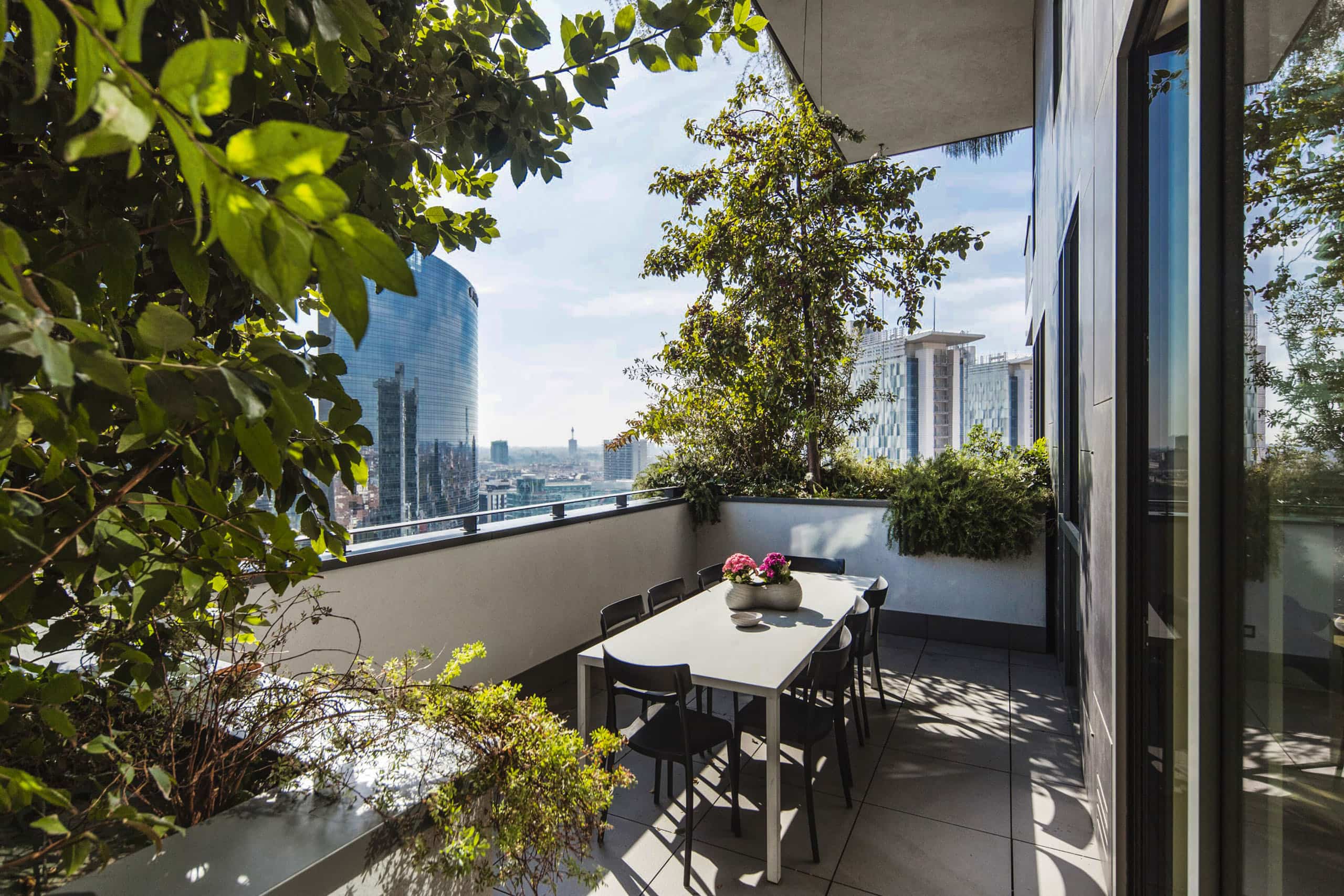
The "smart" terrace of Bosco Verticale residential skyscrapers in Milan, designed by architect Stefano Boera as a vertical forest. Photo: Giovanni Nardi. Photo source: divisare.com
Dozens of hectares are greened with the help of drones that drop iSeed smart seeds on the ground. The biodegradable capsule contains a tree seed and elements that provoke its rooting and rapid growth. It is not just about the creation of tree plantations, but about a full-fledged forest with the inclusion of grasses, flowers, shrubs and large trees. First, specialists study which local plants are the most unpretentious and stable in each specific area. The first CO2 REVOLUTION projects are implemented in Spain, a huge part of which is a lifeless desert.
Stefano Boeri proposes to surround European cities with a protective ring of forests
Why was the topic of the development of the desert lands of the Iberian Peninsula raised at the congress, which is devoted to technical and intellectual innovations in the urban environment? The new climate paradigm of the UN is based on the close relationship between cities, suburbs and wildlife. It is no coincidence that one of the large-scale projects of Stefano Boera, who today is the most fruitful and active innovator in the field of urban landscaping, is dedicated to the creation of the Great Green Wall of Cities. Boera presented this program at the UN climate summit in New York in September. Stefano suggests using the experience of the large-scale Great Green Wall project (the creation of a green barrier from Senegal to Ethiopia, which is being implemented by the African Union to stop the advance of the Sahara) and surround European cities with forest rings.
"We have entered a new phase of human history," says Stefano Boeri, "in which we will finally see a new alliance between forests and cities, that is, between natural and artificial environments, which have been antipodes until now."
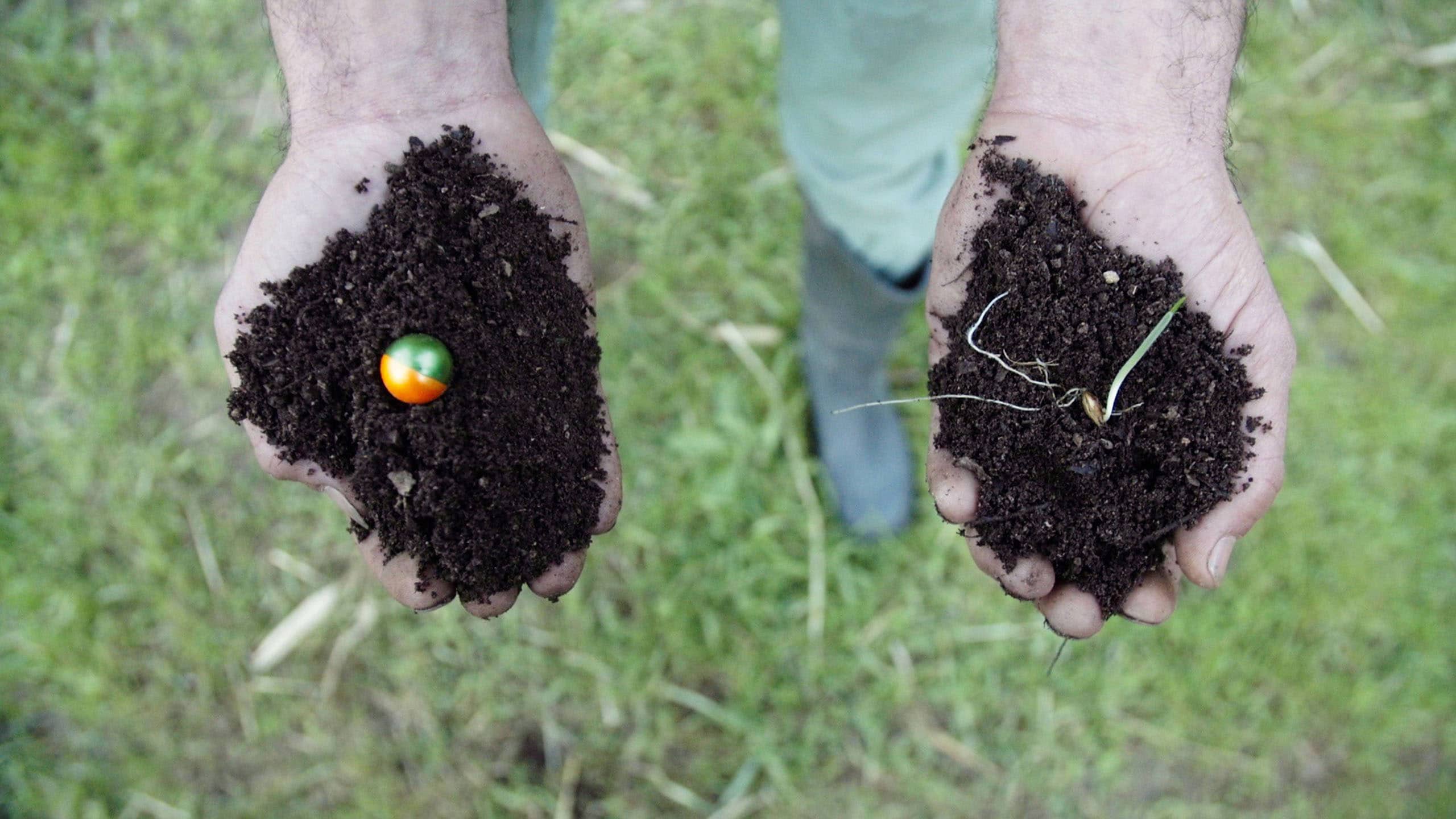
"Smart" iSeed seeds, with the help of which the desert will be greened. Photo source: CO2 REVOLUTION
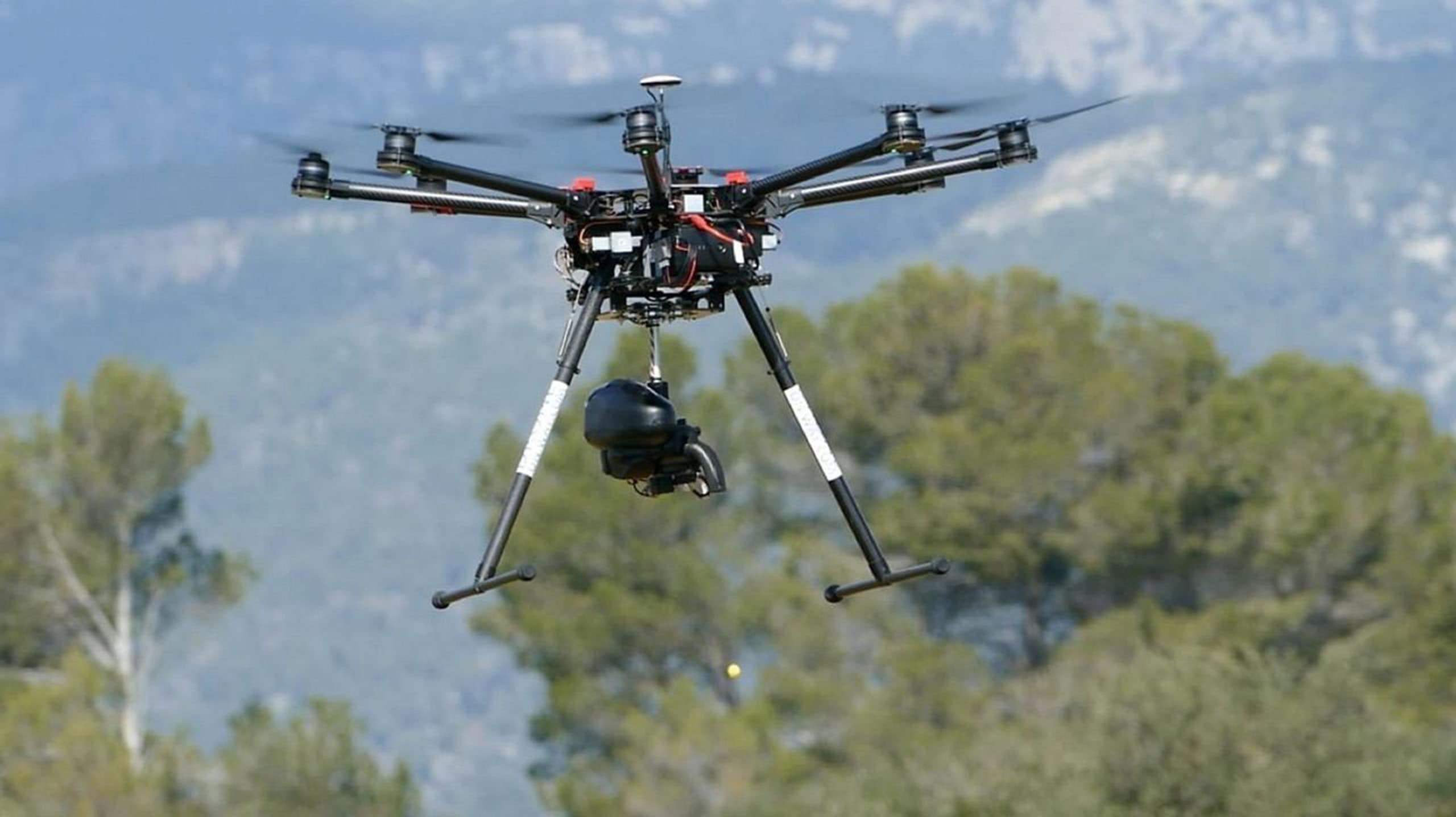
Dozens of hectares are greened with the help of drones that drop "smart" iSeed seeds to the ground
Some consider Boer a dreamer, but look at the five-year result of the Bosco Verticale project in Milan! The construction of two high-rise buildings with built-in containers, in which about a thousand trees and about 5 thousand kustarnikov, was accompanied by skeptical comments in the professional community and criticism in the mass media. Even after the skyscrapers were inhabited, skeptics claimed that these container landings would survive a maximum of a couple of seasons. But Stefano recently published a video, and we can all see that most of the plants not only survived, but also develop successfully.
Dozens of hectares are greened with the help of drones that drop "smart" iSeed seeds to the ground
Boera implements all his projects in close cooperation with biologists and dendrologists. Their role is an integral condition for success, because we are talking about completely innovative approaches. And, of course, it would be impossible to implement Stefano's inspiring projects without the use of intelligent plant care systems. An innovative green environment requires that constructive and service solutions be equally innovative. At the design level, Arup designers predicted the storm load on the walls and ceilings in the air duct, the containers themselves have a bituminous waterproofing membrane, a protective coating against the penetration of roots. Each container is equipped with automatic irrigation, drainage and aeration systems. Soil composition is a separate miracle and secret of agricultural technology. A separate water control system is installed on each terrace - a total of 280 in two towers, which are connected to a centralized monitoring station.
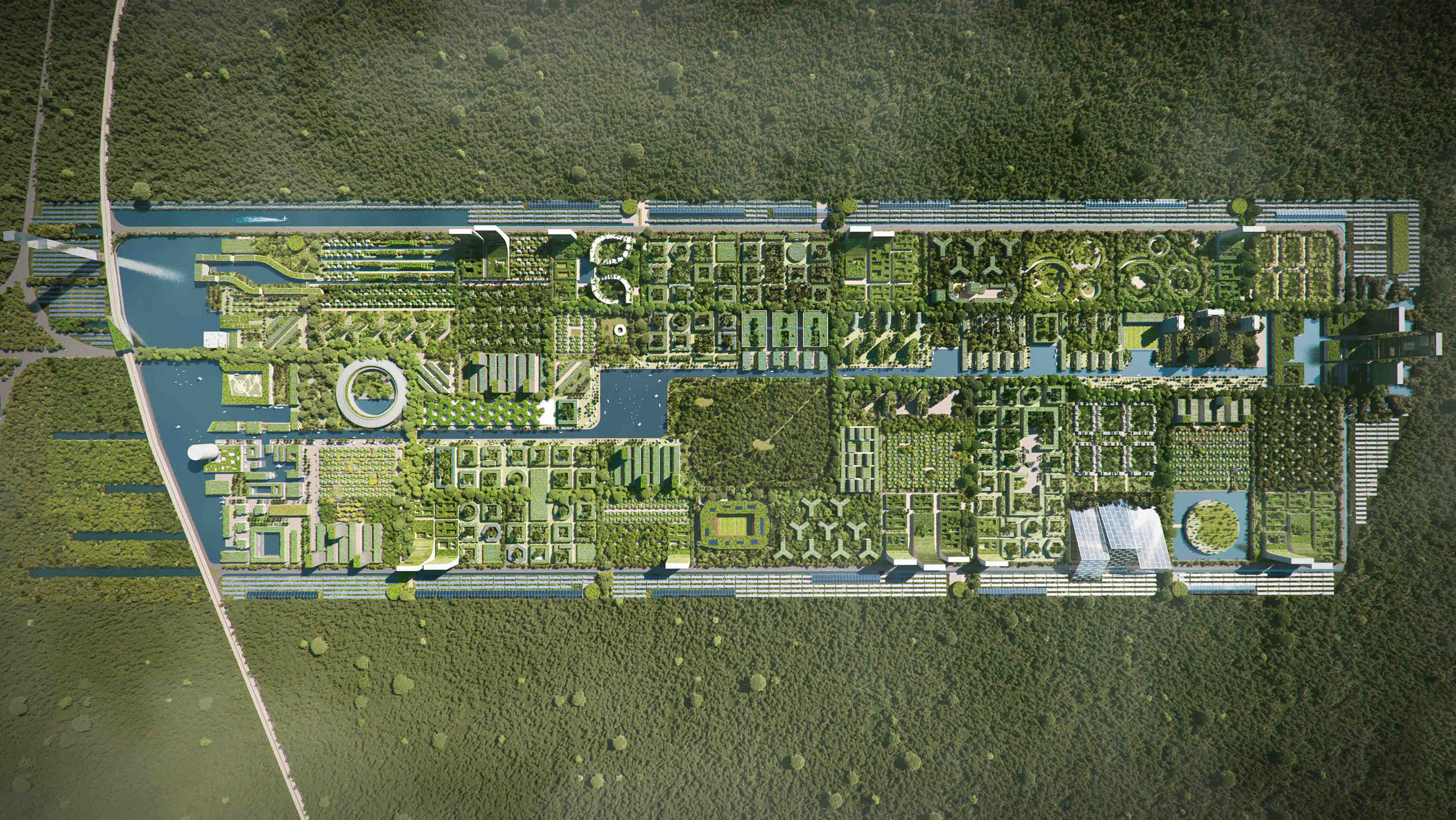
The project of the architect Stefano Boera Smart Forest City Cancun, developed for a new construction in Mexico. Image source: Stefano Boeri Architetti
The recording and analysis of all information related to the maintenance of green skyscrapers has already made it possible to obtain a lot of valuable data. For example, it turned out that because of the storm load at altitude, plants at the upper levels need 20% more water than at the lower ones. This allows more accurate calculation of operating costs in future projects. And Boery is literally bursting with new ideas. The studio recently published a press release for the Smart Forest City Cancun project. In a "smart" city in Mexico for 130 thousand residents will plant 7,5 million plants, the processes of care for which will be as robotic as possible. It is assumed that Smart Forest City will absorb 116 tons of carbon dioxide and 000 tons of CO5 per hour.
Farming lessons for townspeople
In the creation of green roofs and facades, design does not play a leading role. This is primarily complex engineering, agricultural technology and even microbiology. And of course, smart monitoring and smart maintenance. Urban landscape designers and architects can use the developments of the technological revolution in the agricultural sector.
A couple of decades ago, what we now call urban farmers were considered marginal. In Los Angeles and Paris, the authorities fined and even tried local residents who violated city codes by planting vegetables and greens instead of flowers and decorative plants in the flower beds in front of their houses. But then urbanists found out that gardening is one of the easiest ways to form tighter and more prosperous communities. There were even social programs for working with difficult teenagers and involving them in urban farming. Today, urban agriculture from a purely social program, which allowed residents to do their favorite gardening or horticulture without going to the suburbs, is growing into something bigger.
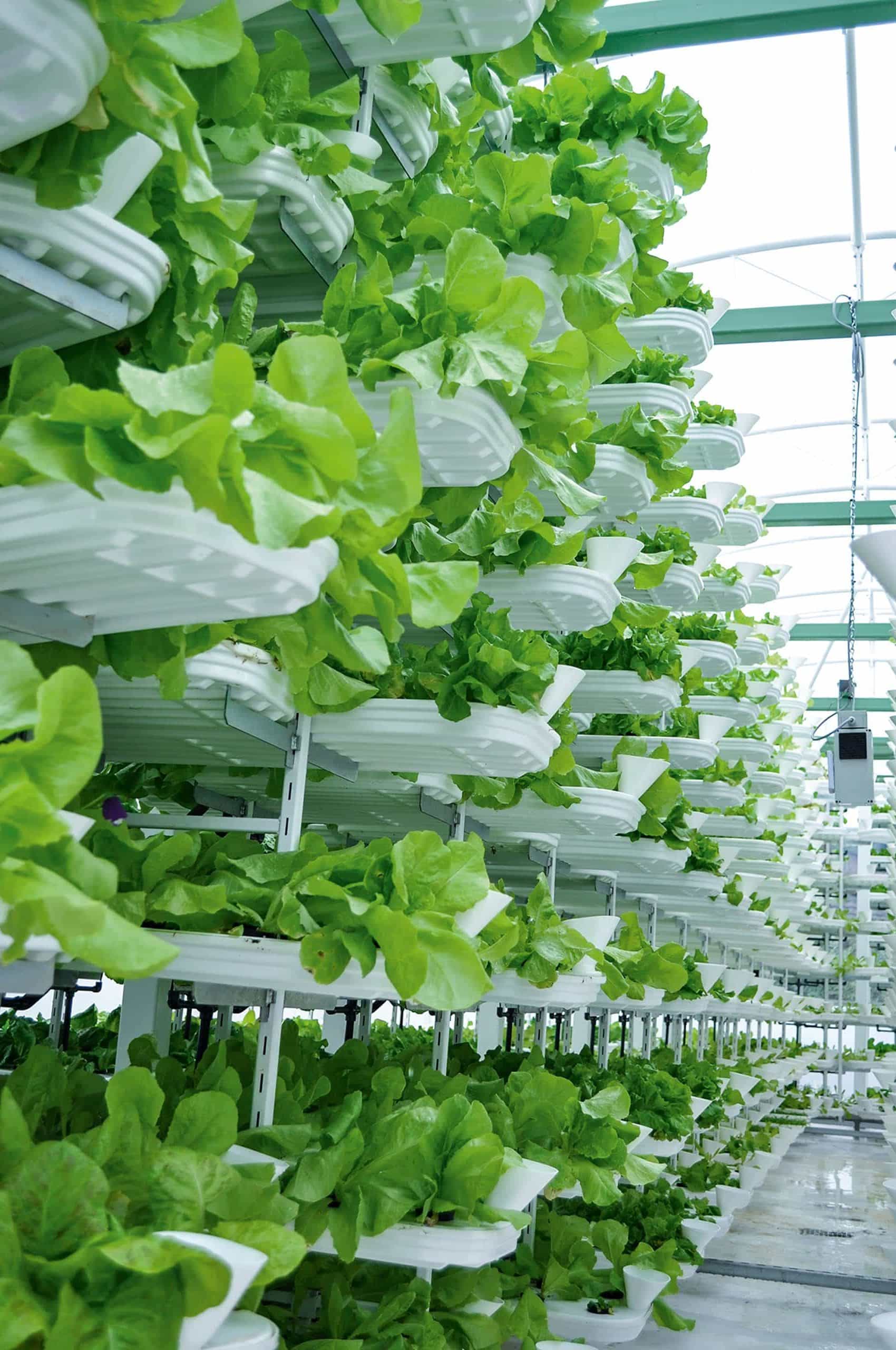
Global analysis shows that urban agriculture can produce up to 10% of many food crops. For example, tender salad greens, legumes, root crops and vegetables, which are grown on hydroponic farms on the roofs of high-rise buildings in New York and Chicago, are delivered to the shelves almost like lightning. This allows you to save on transportation, which also reduces CO2 emissions, and consumers receive products "straight from the garden" at their table. The authors of the study Earth's Future (this is the first global assessment of the potential of urban agriculture) also calculated the so-called ecosystem services. This is a reduction in the effect of spot heating, absorption of stormwater runoff, energy savings in buildings, which I talked about in detail in the article "Urban landscape and climate. Physiology of the green street". In monetary terms, the profit from urban farms can be up to $160 billion annually. Therefore, the number of farms will predictably increase worldwide. Naturally, the highest efficiency will be in countries with a high level of urbanization.
City gardens and city farms, which are also gradually becoming status objects, need smart management
Judging by the Earth's Future maps with an assessment of the "urban-farming" potential of different countries, Ukraine with its extensive agricultural lands will benefit more likely not from the production of food in the cities, but from the reduction of losses for heating and cooling of buildings.
Both Stefano Boera's city gardens and city farms, which are also gradually becoming status objects (the best restaurants, the menu of which is based on ecologically clean products, are increasingly equipping their own gardens right on the roofs, in the backyard or on the patio), need smart management . Traditional agrotechnical methods are not suitable for the maintenance of green roofs and facades. Especially when it comes to the use of partially or completely closed spaces, where it is impossible to grow vegetable or decorative crops without special lighting, heating and microclimatic installations that regulate humidity. And here it is possible to adopt technologies that have been used successfully in industrial greenhouses for a long time.
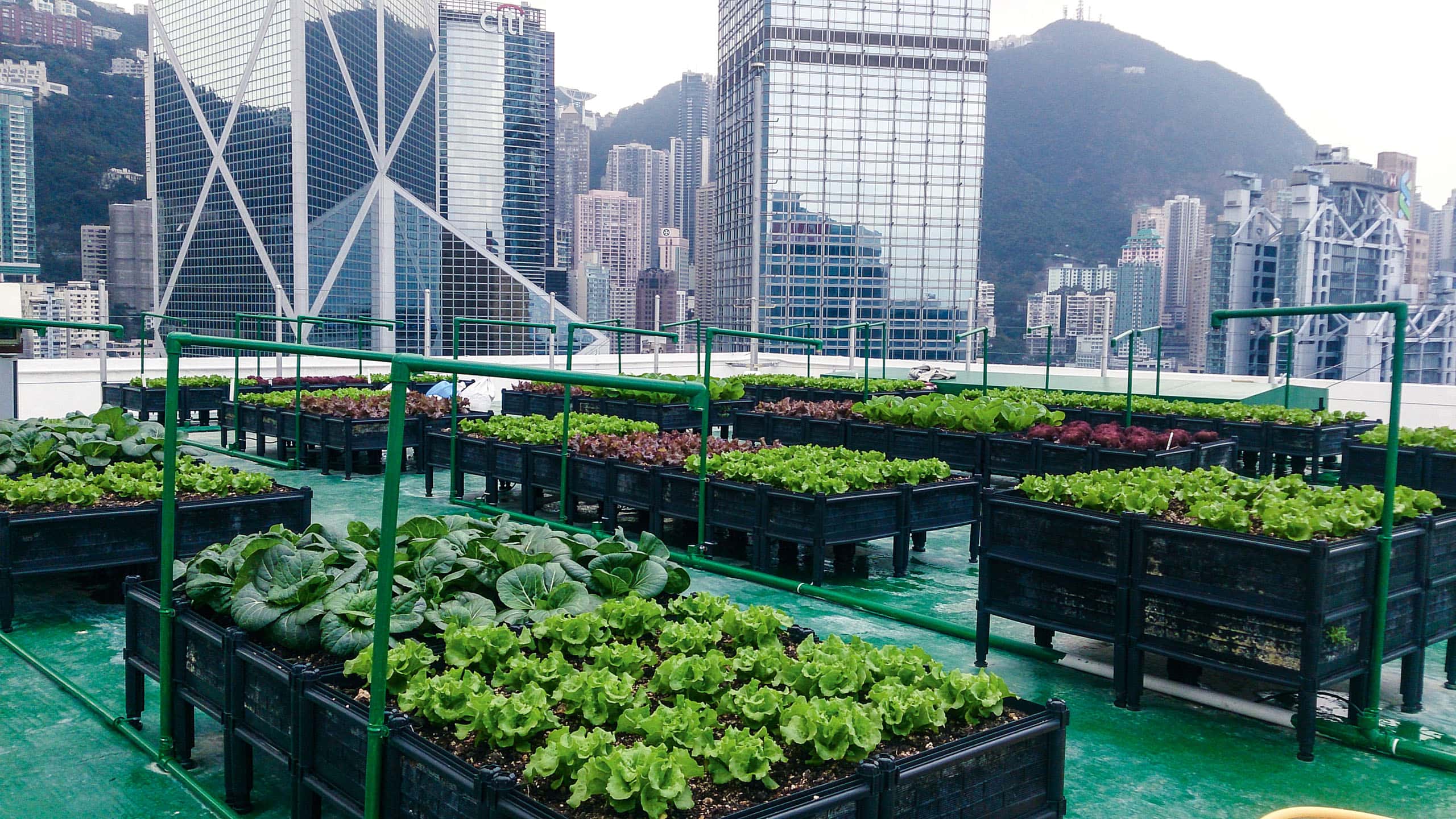
A farm on top of the Bank of America Tower skyscraper in downtown Hong Kong. Created on the initiative of the real estate company JLL, the farm produces about 660 kg of organic vegetables per hour. The crop is sent to the Feeding Hong Kong charity fund. Photo: Go Green Hong Kong
Several successful startups have already appeared in Ukraine - office mini-farms or farms on roofs. So far, these are exclusively private initiatives, but I am sure that if the enthusiasts receive even symbolic support from the municipal authorities, we can expect exponential growth and high-quality development of projects in this ecological niche.
What is good for a European official is death for a Ukrainian
In the major cities of the world, municipalities are agitating real estate owners to turn the roofs of houses into green spaces and plant anything! And somewhere they are already obliging developers to do so. Thus, in 2017, the authorities of Paris introduced requirements for new commercial buildings to integrate green roofs or solar panels into projects. The most progressive developers often combine generating plants and landscaping on the same area. And projects similar to "Agripolis" - the construction of a giant farm on the roof of one of the buildings of the exhibition complex in Paris Expo Porte de Versailles - are implemented within the framework of the specialized city program of greening the French capital Parisculteurs.
Paris authorities have introduced requirements for new commercial buildings to be integrated into green roof projects
A new position - City Forest Officer - appeared in the City Hall of Los Angeles this year. The city forester will coordinate the work of all departments and communal services responsible for green plantings. And in the town of Onteniente in Valencia, a few years ago, in order to optimize resources and maintenance costs, Smart Garden, a management program for numerous city parks, was launched, which works thanks to Libelium sensors from the leading provider of solutions for the Internet of Things. Autonomous sensors on solar batteries transmit information about the temperature and humidity of the soil, the quality and quantity of water flow for irrigation, air quality, solar radiation, atmospheric pressure and other indicators. It helps gardeners control the operation of irrigation systems in automatic mode, react to diseases or damage to plants and collect data for forecasting.
The Hong Kong Polytechnic University is testing a system that will allow timely detection of emergency trees: as soon as the angle of inclination of the tree exceeds the threshold value, city gardeners will receive a notification. Sensors began to be installed in 2018, and by 2021, about 8 thousand will be equipped with them. city trees.
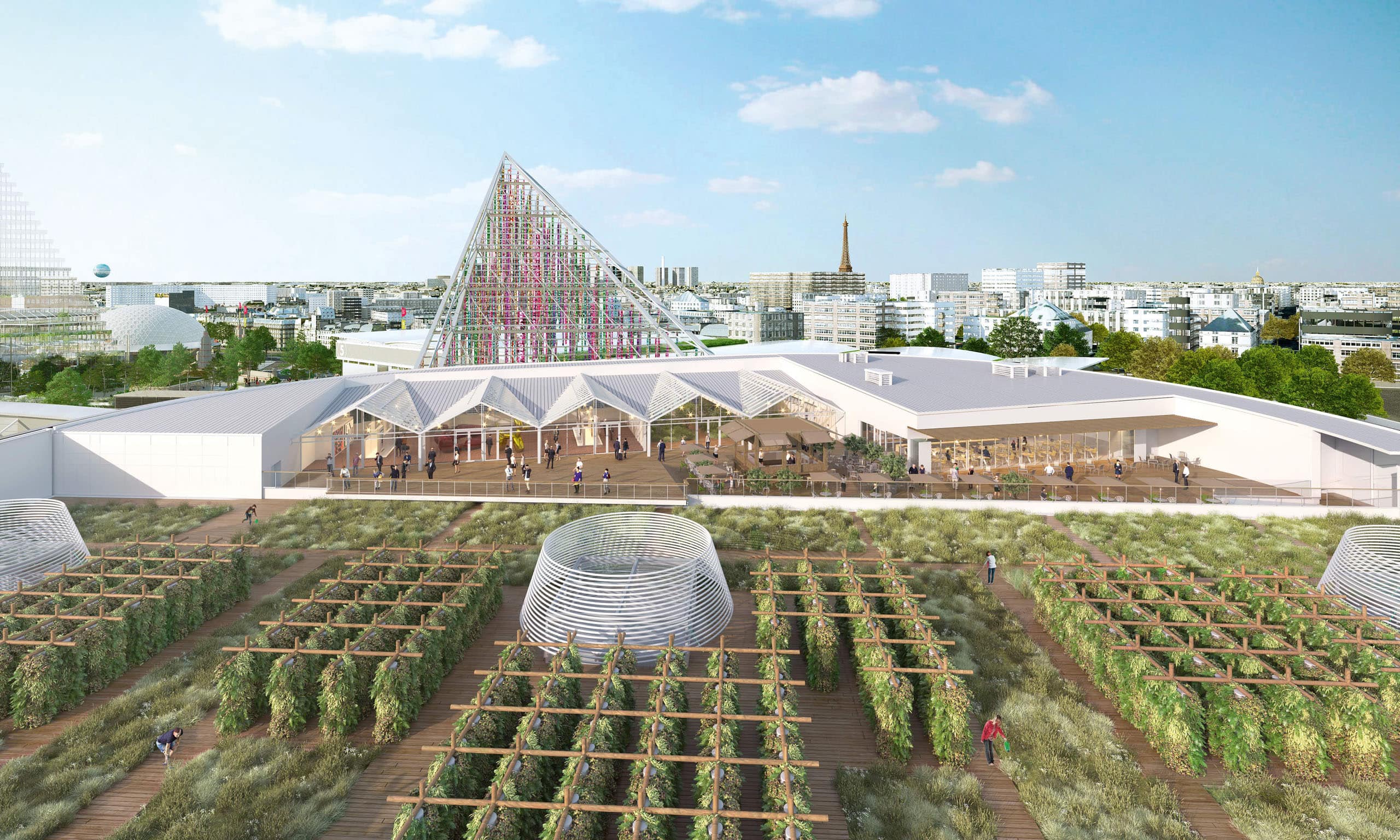
This is what the farm will look like on the flat roof of the pavilion at the Paris Expo Porte de Versailles. Image source: Valode & Pistre Architectes Atlav AJN
Comprehensive comprehensive monitoring of green areas is also important from a scientific point of view. How do people interact with urban plants, how successful are these or other projects, what potential remains undiscovered? Back in 2017, the Vivid Economics consulting company published a report in which it was reported that Londoners save more than $400 million with the help of psychologists and psychiatrists thanks to public parks. Sounds like a strong argument. But these results were obtained by the method of direct surveys, the representativeness of which is increasingly being questioned today. The integration of intelligent monitoring systems, the use of a scientific approach to hypotheses, I am sure, would open up a lot of new information and new opportunities.
Inventory and monitoring of the state of the city's green infrastructure is a condition for its preservation
I will return to the example that I gave at the very beginning of the article — an interactive map of the Australian city of Melbourne. Similar sites and smart applications have already been developed in many cities of the world, and they are usually considered publicly available. Why do ordinary citizens need such detailed information about city trees?
First, I believe that eco-education is an integral condition for the development of society, and secondly, the inventory and monitoring of the condition of such an expensive and important infrastructure is a condition for its preservation. I have repeatedly given examples of the cost of adult seedlings in European nurseries, where the price for a maple, linden, chestnut, poplar can reach 6-10 thousand. euro. Our urban trees are worth no less - regardless of the variety, if we are talking about adult giants with huge crowns. If each of us gets access to data about the exact number, location and condition of this expensive city property, then the heads of municipal services or builders will have to look very carefully for a reason to cut down a perfectly healthy 30-year-old willow on the street or in the park. And if such a thing happened, they will be liable to the full extent of the law for large-scale damage.
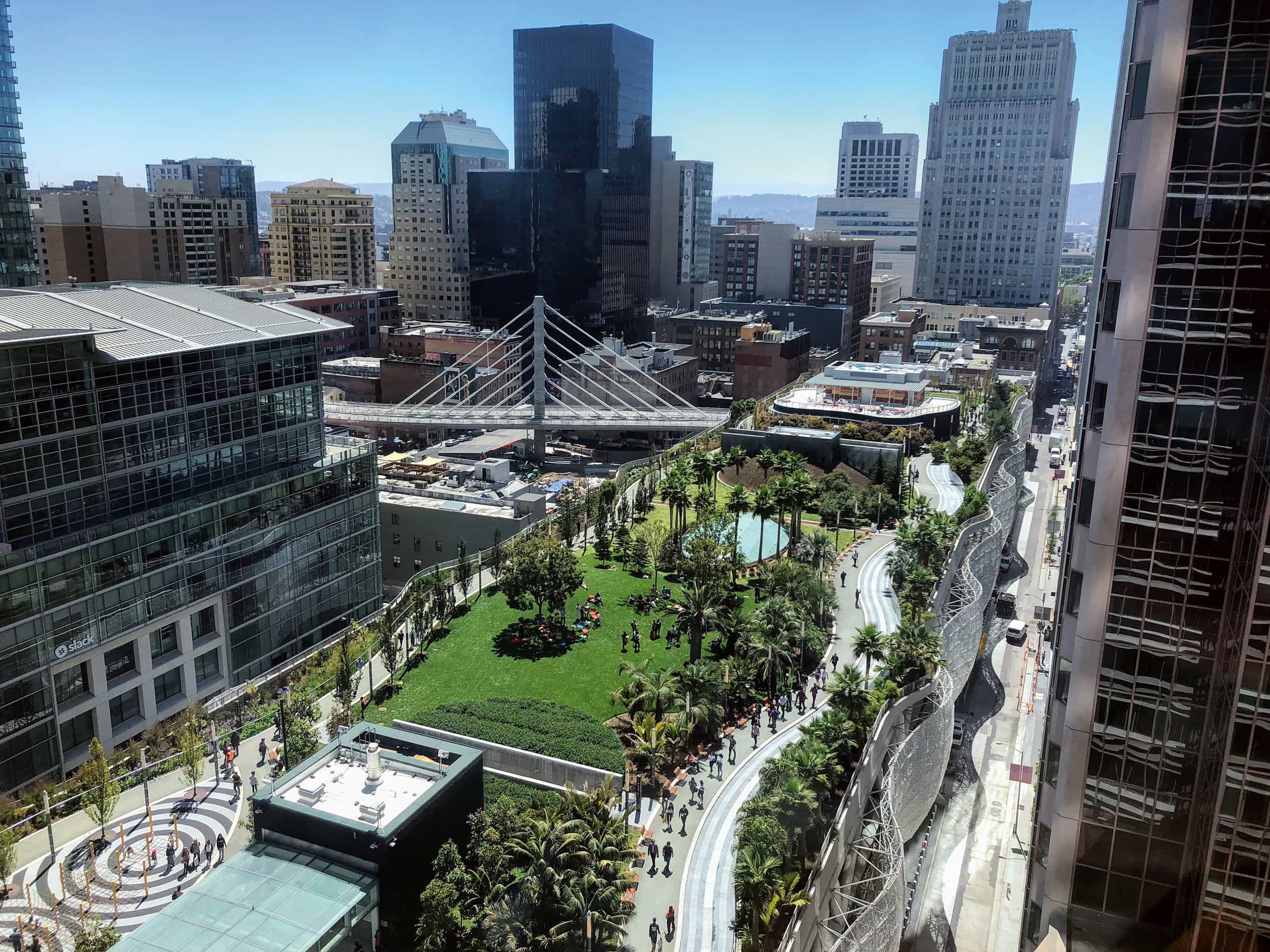
Salesforce Transit Center is a new attraction in San Francisco (USA). This is a transport hub, a shopping center and at the same time a park with a length of 4 blocks. Photo source: wikimedia commons
Our trees can be used as bioindicators that report the quality of the environment even more accurately than multifunctional sensors. And in a broader, philosophical sense — about the quality of our society. It is logical that sooner or later all of them will become objects of the Internet of Things network.


