Albert Kahn was born on March 21, 1869. The New York Times called him "the fastest and most prolific builder of industrial enterprises." The Packard, Ford, Chrysler car plants, the headquarters of General Motors are the most famous objects of the architect. Only in and around Detroit, Albert Kahn Associates, Inc. designed more than 400 buildings - both industrial and civil. More American architectural objects can be found only... in the post-Soviet space.
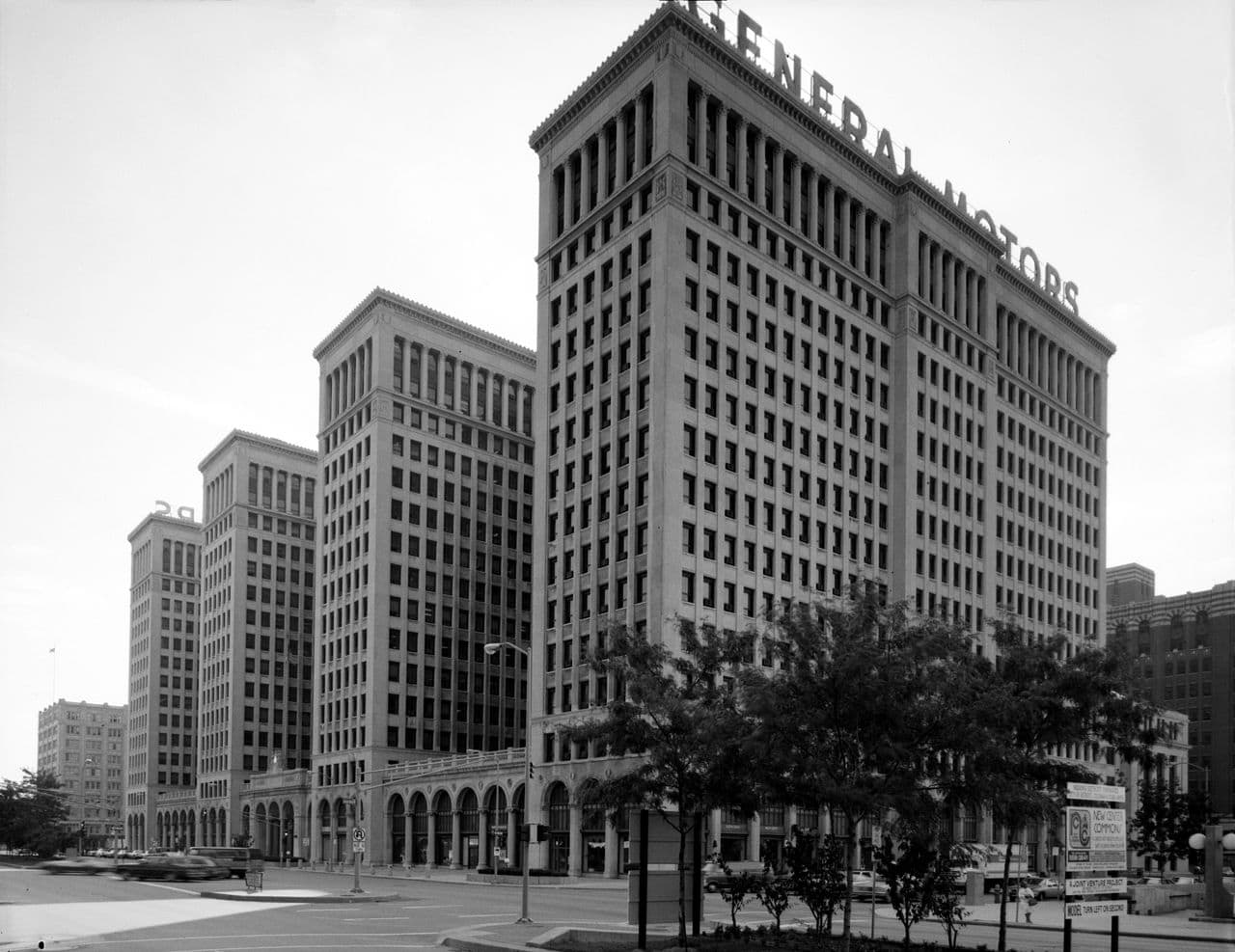
Cadillac Place is an office building designed by Albert Kahn and built in 1919 as the headquarters of General Motors. Image source: wikipedia.org
At the start of industrialization in the USSR, the slang word "Fordization" was as fashionable as "Uberization" today. Based on the philosophy of Henry Ford, the young Soviets began to develop industry. The USSR became not only the largest wholesale buyer of Ford products, but also signed a contract with its architect, Albert Kahn.
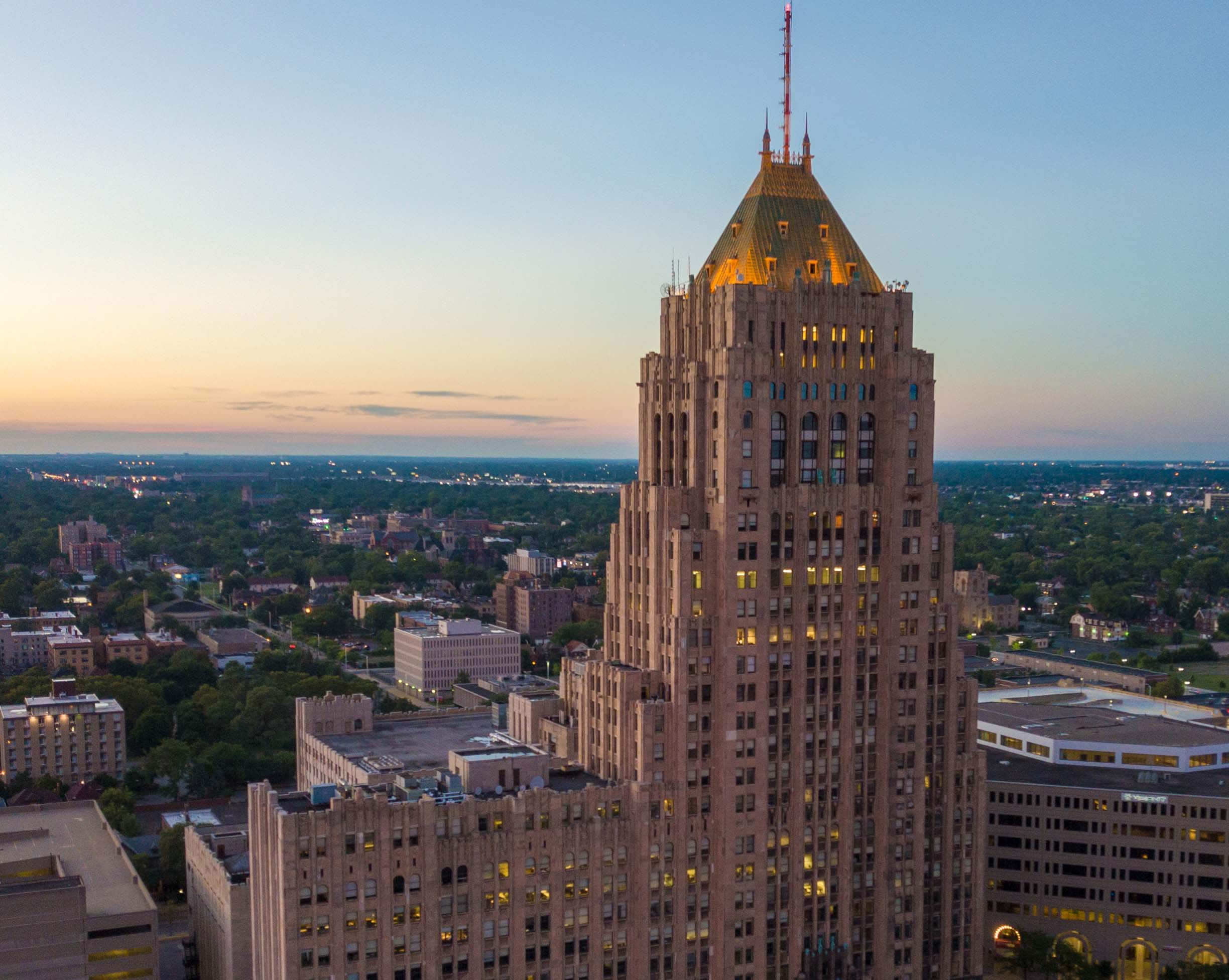
The Fisher Building is a landmark office building in Detroit, designed by Albert Kahn in 1928. Photo: Nadir Ali
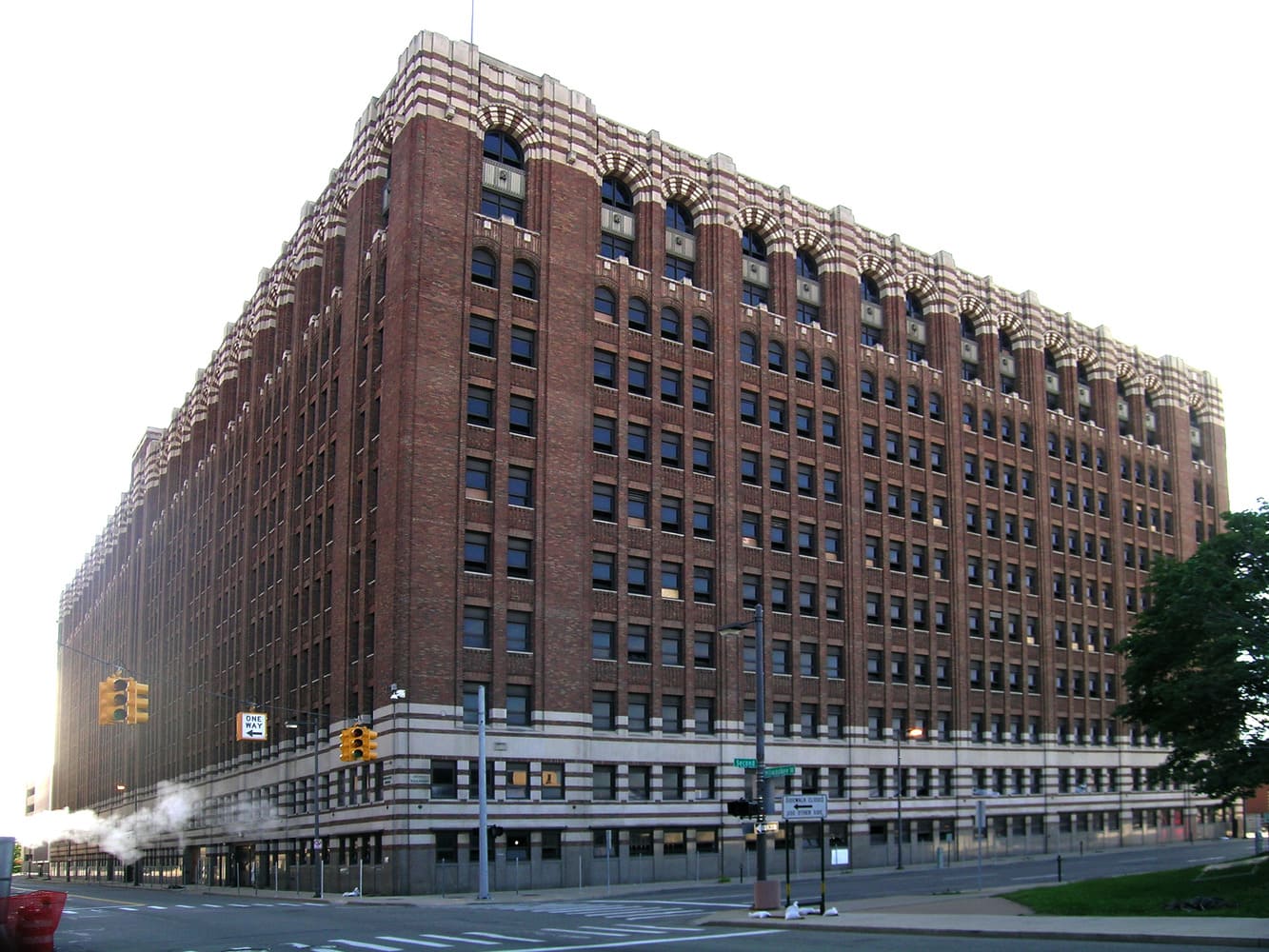
The Argonaut Building is a former General Motors technical laboratory in Detroit. Photo: Andrew Jameson
The Kanovs were commissioned to design the Stalingrad Tractor Plant, which was to become the largest in Europe, but it was only the beginning. For 3 years, the architects and engineers of Albert Kahn Associates, Inc. worked on projects and supervised the construction of 521–570 industrial facilities in the USSR under the banner of the specially created State Project Development Trust. The Americans also trained Soviet specialists in the assembly line design method.
Art Deco architectural decorations were not in demand: for the rapid simultaneous construction of many factories in different parts of the country, modular structures, typical assemblies and, which was new for Caen, the possibility of converting production capacities were needed. For example, the Stalingrad, Chelyabinsk and Kharkiv factories, which were originally intended for the production of tractors, had reinforced foundations and ceilings. This allowed later on the eve of the Second World War to repurpose factories for the production of tanks.
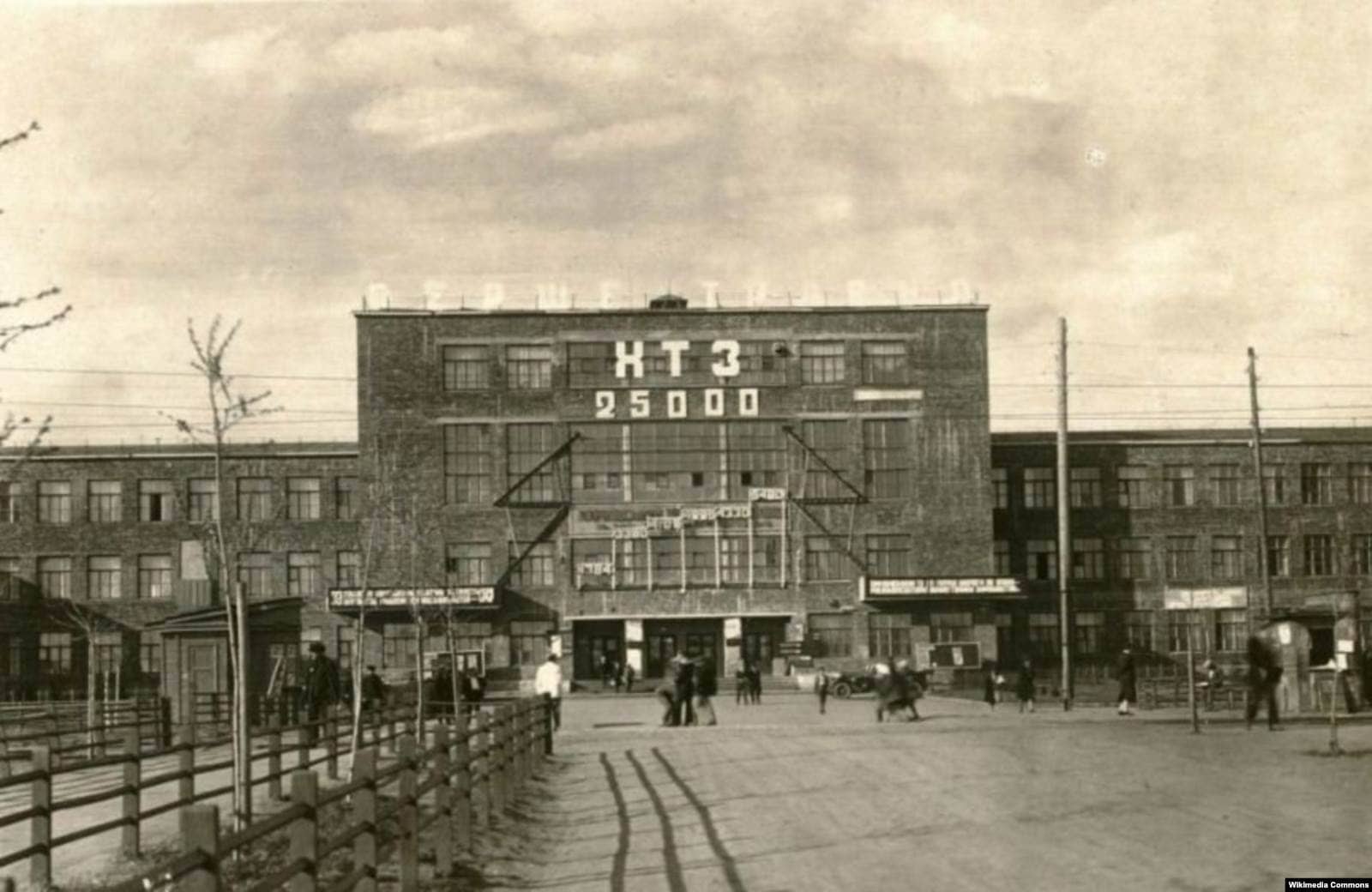
KhTZ is the Kharkiv Tractor Plant, which switched to the production of tanks during the Second World War
In 1931, Albert's brother, Moritz Kahn, wrote: "The State Project has only existed for a year. Our Detroit office, with 400 to 500 architects, engineers and draftsmen on a regular basis, was once considered the largest in the world. Derzhproyektbud now has about 600 employees in the Moscow office, not counting students, another 150 will be hired soon. There are 300 employees in the office in Leningrad, 100 in Kharkiv."
A contract with the American firm Albert Kahn Associates, Inc. by order of Stalin, it was dissolved in 1932, after Germany became the strategic partner of the USSR, not the USA.
Why is Albert Kahn so little known outside the highly specialized architectural community in Ukraine? The reason is that references to the role of the American architect in the industrialization of the USSR, starting from the mid-30s, were carefully deleted by censors from books and textbooks.
The most complete documentary evidence of cooperation with Albert Kahn Associates, Inc. today it can be found only in the book "Modern Factory Architecture", published in 1932. In it, Volodymyr Tsvetaev, head of the department of industrial and civil structures of the Moscow Engineering and Construction Institute, describes the experience and practical solutions of Albert Kahn.
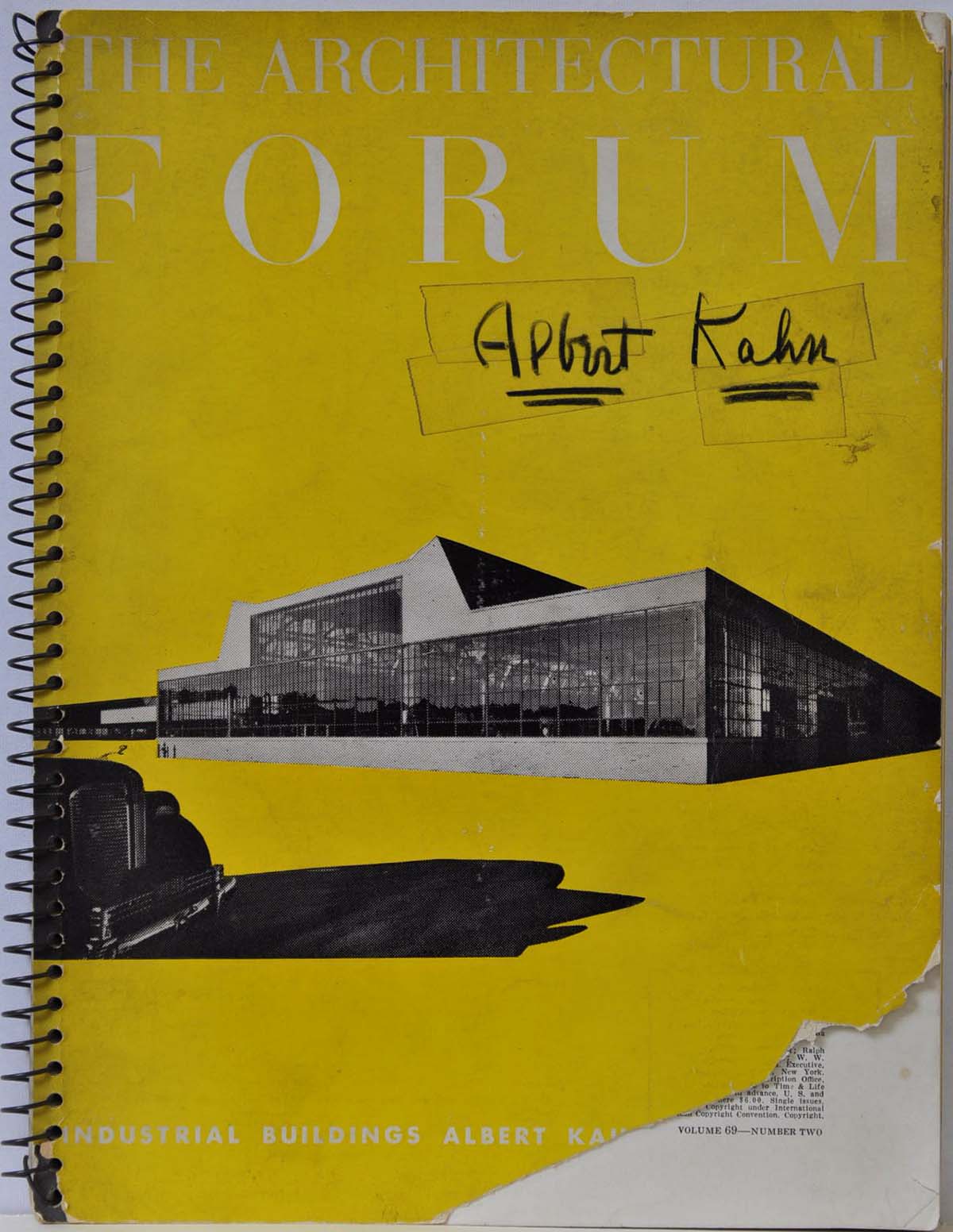
Collector's issue of Architectural Forum magazine (August 1938), devoted entirely to the work of Albert Kahn
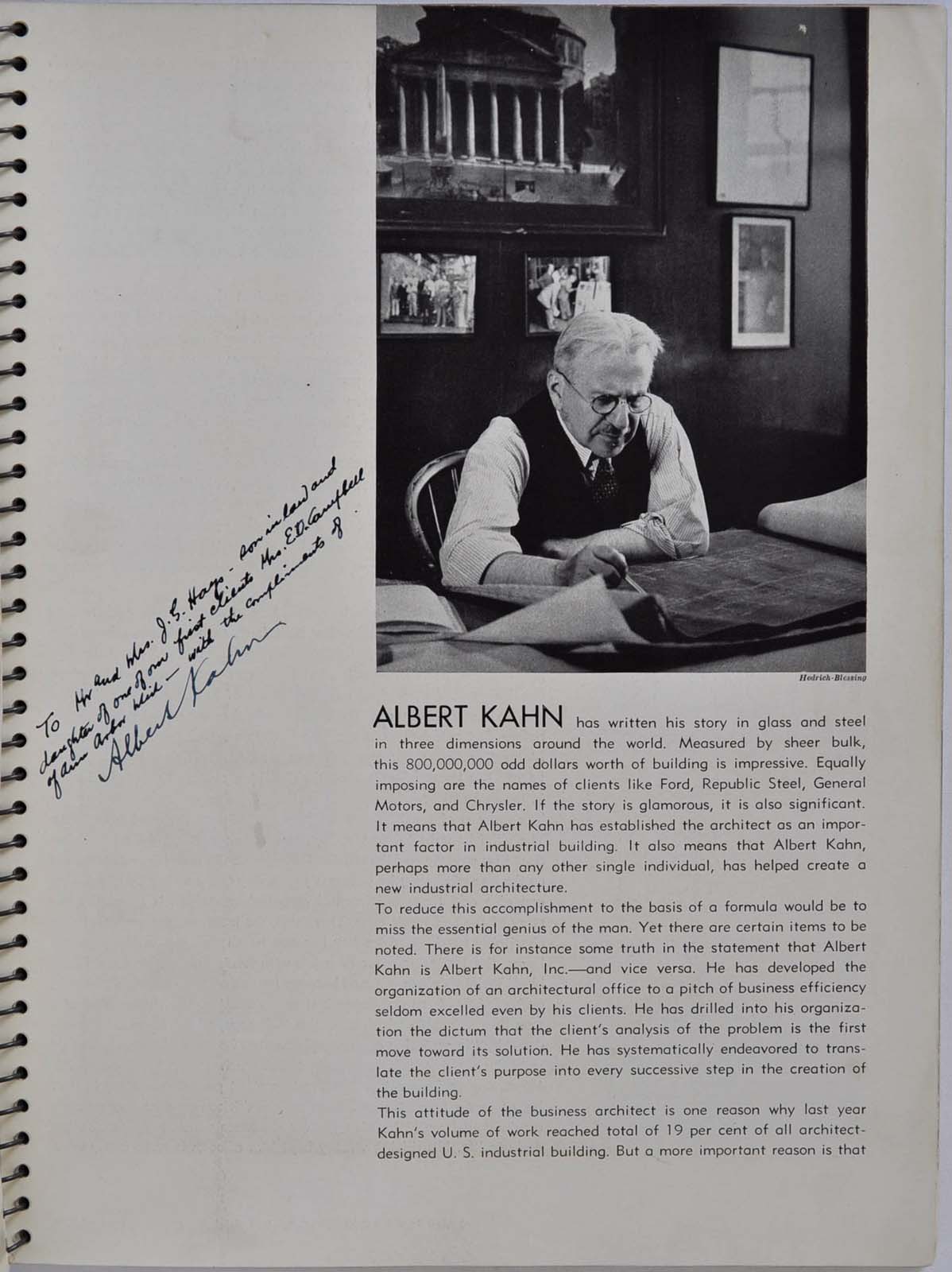
Collector's issue of Architectural Forum magazine, autographed by Albert Kahn
It was unacceptable for Soviet ideologues to mention the role and achievements of a citizen of capitalist America in the description of the process of the great industrialization of the country. It was not easy to refute the obvious. In 1938, the American specialized magazine Architectural Forum dedicated its August issue to Albert Kahn.
One of the articles described the work of the company's employees in the USSR: "The year 1928 unexpectedly brought the most unusual order ever given to an architect. A group of Soviet engineers came to Kahn's office with an order to design a tractor plant for $2 million and a further construction program for another $2 million." The journalists then cite the architect's recollections, including the following: "The office in Moscow consisted of 1500 Soviet draftsmen who had clearly never seen a pencil in their lives."
In response, the magazine "Architecture of the USSR" published the article "Khlestakov Revelations of Albert Kahn", which stated: "No "branch" of Albert Kahn's firm in Moscow, of course, ever existed. A group of American engineers was indeed invited to Moscow in 1928 on the basis of a contract with the Kahn firm, but it worked in the Soviet trust "Derzhproyektbud" and its activities were limited to technical assistance functions.
On the territory of Ukraine, mainly in the eastern regions — Kharkiv, Dnipropetrovsk, Donetsk — according to the projects of architects and engineers Albert Kahn Associates, Inc. dozens of factories were built: military, machine-building, metallurgical. But this heritage is not systematized, most of the objects have been destroyed, and many factories have not been identified as projects by the famous architect Albert Kahn.